
A Student Looking For Open-Entry Open-Exit Courses Should Look At
A Student Looking For Open-Entry Open-Exit Courses Should Look At - I am working on providing information to some teachers around open entry/exit program models in comparison to managed enrollment program models. The maximum number of hours a student may be enrolled in an open entry/open exit course shall be determined by the curriculum committee established pursuant to section 55002 based on the maximum time reasonably needed to achieve the educational objectives of the course. Students work in the labs at their own pace and there are no regularly scheduled classes. An “open entry and open exit” course is a mode of delivery that allows a student to enroll in a class throughout the duration or near duration of the class and complete the class at any time throughout the duration of the class. Students can work at their own pace on business or personal computer applications online, at home or in an open computer lab environment. Students may enroll in these courses at any point in the semester provided that enough instructional hours remain to allow them to earn a minimum number of units for the course. Effectiveness was determined by examining academic growth, attendance, retention and, therefore, achievement of program goals. Students completing less than 60% of the work or time required in an open entry/open exit course will be given a grade of “w.” students completing 60% or more of the work or time required will be assigned the grade earned, i.e., “a”, “b”, “c”, “d”, “f”, “p” or “np.” college catalog. Noncredit courses are open entry, open exit classes. They are a convenient and flexible way to gain college credits. Students can work at their own pace on business or personal computer applications online, at home or in an open computer lab environment. Students work in the labs at their own pace and there are no regularly scheduled classes. (quigley) • students progress at their own pace. An “open entry and open exit” course is a mode of delivery that allows a student to enroll in a class throughout the duration or near duration of the class and complete the class at any time throughout the duration of the class. Determining the effectiveness of each design would Sufficient academic progress toward completion will determine if a student is eligible for an ip or will receive a failing grade. When an open entry/ open exit course provides learning assistance in support of another course or courses, the outline of record for the supplemental open entry/open exit course must identify the course or courses it supports, as well as the. Noncredit courses are open entry, open exit classes. Students completing less than 60% of the work or time required in an open entry/open exit course will be given a grade of “w.” students completing 60% or more of the work or time required will be assigned the grade earned, i.e., “a”, “b”, “c”, “d”, “f”, “p” or “np.” college catalog. Students may enroll in these courses at any point in the semester provided that enough instructional hours remain to allow them to earn a minimum number of units for the course. Advantages to open entry/open exit • students can enter any time during the term (when it is convenient for them and when they are motivated.) • research shows the first three weeks in a program are the most critical to establish students’ motivation and persistence. Noncredit courses are open entry, open exit classes. Students may enroll at various times and. Oe/oe classes provide an alternative to traditional classroom learning. They are a convenient and flexible way to gain college credits. Determining the effectiveness of each design would Effectiveness was determined by examining academic growth, attendance, retention and, therefore, achievement of program goals. When an open entry/ open exit course provides learning assistance in support of another course or courses, the. Students work in the labs at their own pace and there are no regularly scheduled classes. An “open entry and open exit” course is a mode of delivery that allows a student to enroll in a class throughout the duration or near duration of the class and complete the class at any time throughout the duration of the class. Students. A number of courses in this schedule are designed as open entry courses. When an open entry/ open exit course provides learning assistance in support of another course or courses, the outline of record for the supplemental open entry/open exit course must identify the course or courses it supports, as well as the. Students may enroll in these courses at. Advantages to open entry/open exit • students can enter any time during the term (when it is convenient for them and when they are motivated.) • research shows the first three weeks in a program are the most critical to establish students’ motivation and persistence. Students completing less than 60% of the work or time required in an open entry/open. Students work in the labs at their own pace and there are no regularly scheduled classes. The maximum number of hours a student may be enrolled in an open entry/open exit course shall be determined by the curriculum committee established pursuant to section 55002 based on the maximum time reasonably needed to achieve the educational objectives of the course. Advantages. They are a convenient and flexible way to gain college credits. The maximum number of hours a student may be enrolled in an open entry/open exit course shall be determined by the curriculum committee established pursuant to section 55002 based on the maximum time reasonably needed to achieve the educational objectives of the course. (quigley) • students progress at their. Effectiveness was determined by examining academic growth, attendance, retention and, therefore, achievement of program goals. Students complete modules depending on their needs and educational goals. Sufficient academic progress toward completion will determine if a student is eligible for an ip or will receive a failing grade. Noncredit courses are open entry, open exit classes. Advantages to open entry/open exit •. Students complete modules depending on their needs and educational goals. Determining the effectiveness of each design would The maximum number of hours a student may be enrolled in an open entry/open exit course shall be determined by the curriculum committee established pursuant to section 55002 based on the maximum time reasonably needed to achieve the educational objectives of the course.. Sufficient academic progress toward completion will determine if a student is eligible for an ip or will receive a failing grade. Students can work at their own pace on business or personal computer applications online, at home or in an open computer lab environment. Determining the effectiveness of each design would Advantages to open entry/open exit • students can enter. Determining the effectiveness of each design would Students complete modules depending on their needs and educational goals. The maximum number of hours a student may be enrolled in an open entry/open exit course shall be determined by the curriculum committee established pursuant to section 55002 based on the maximum time reasonably needed to achieve the educational objectives of the course. They are a convenient and flexible way to gain college credits. Effectiveness was determined by examining academic growth, attendance, retention and, therefore, achievement of program goals. Oe/oe classes provide an alternative to traditional classroom learning. Sufficient academic progress toward completion will determine if a student is eligible for an ip or will receive a failing grade. I am working on providing information to some teachers around open entry/exit program models in comparison to managed enrollment program models. A number of courses in this schedule are designed as open entry courses. Noncredit courses are open entry, open exit classes. Students work in the labs at their own pace and there are no regularly scheduled classes. When an open entry/ open exit course provides learning assistance in support of another course or courses, the outline of record for the supplemental open entry/open exit course must identify the course or courses it supports, as well as the. Advantages to open entry/open exit • students can enter any time during the term (when it is convenient for them and when they are motivated.) • research shows the first three weeks in a program are the most critical to establish students’ motivation and persistence. Students may enroll in these courses at any point in the semester provided that enough instructional hours remain to allow them to earn a minimum number of units for the course. (quigley) • students progress at their own pace.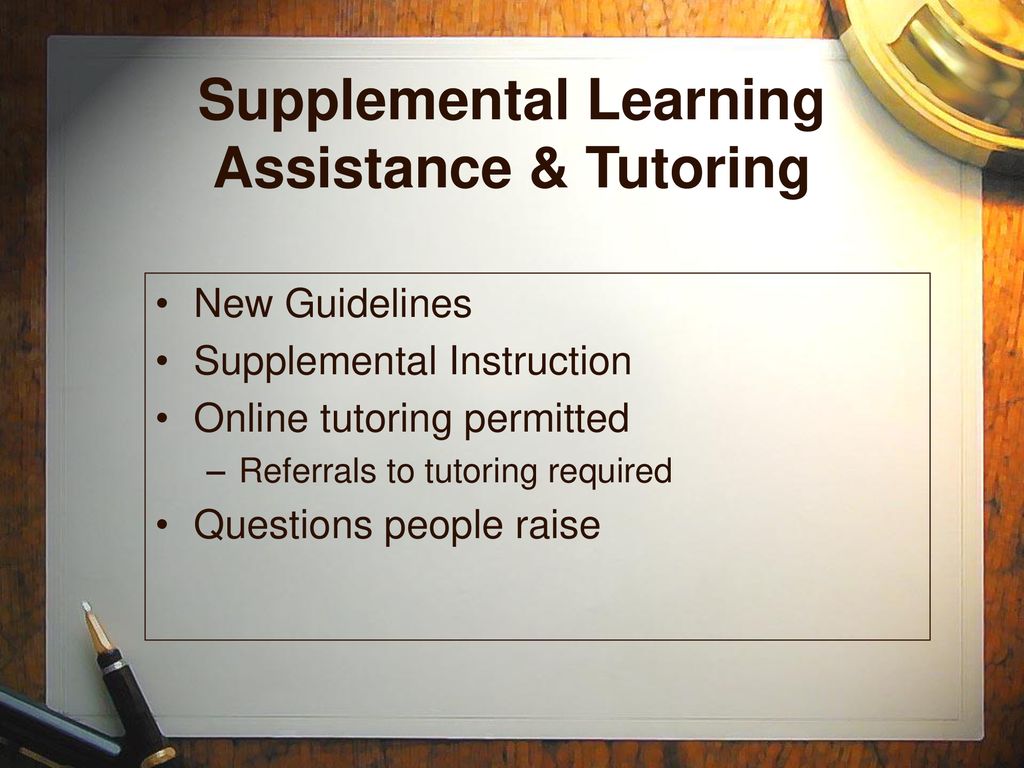
Title 5 Curriculum Changes ppt download
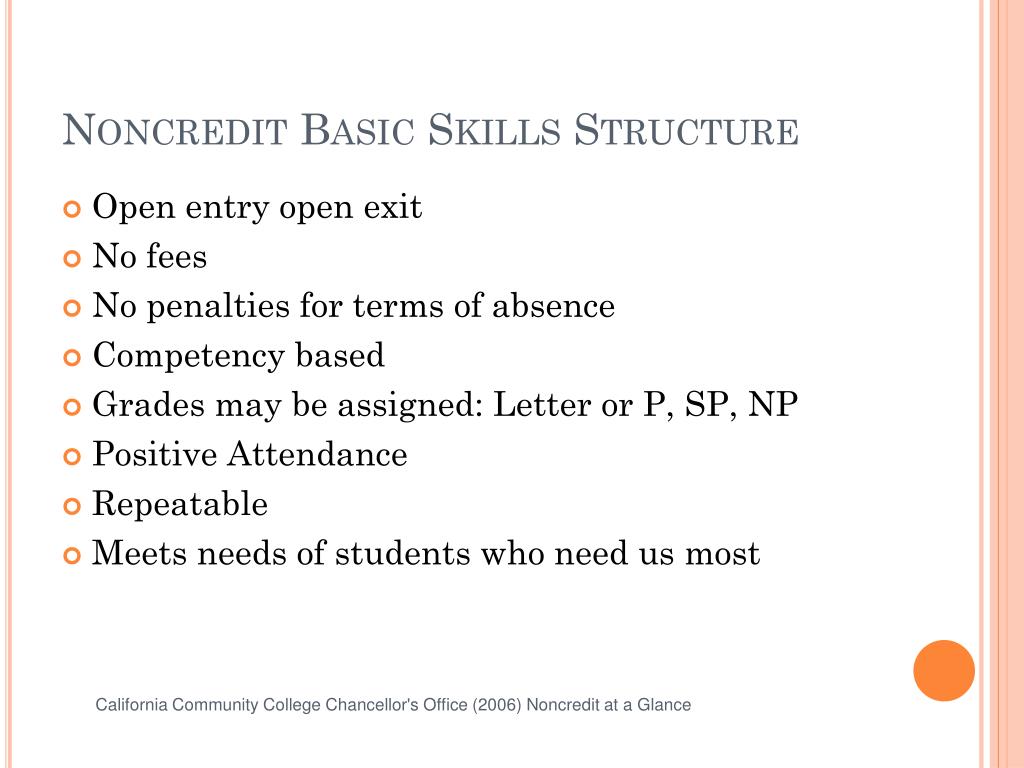
PPT CREDIT / NONCREDIT? PowerPoint Presentation, free download ID3860832
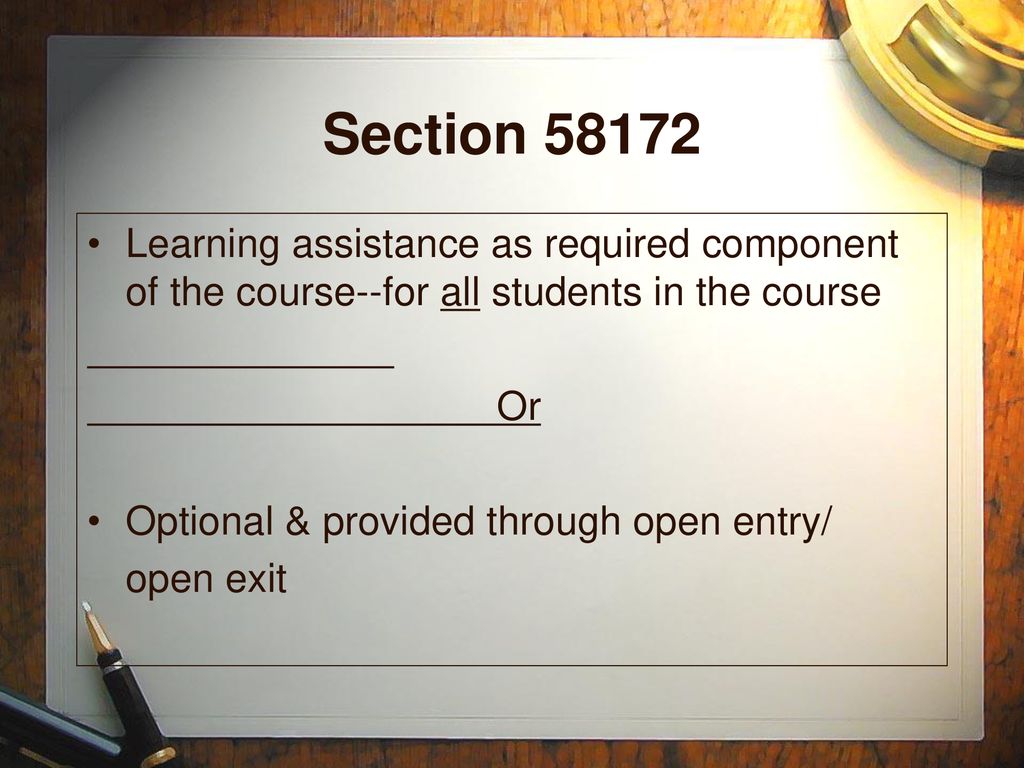
Title 5 Curriculum Changes ppt download
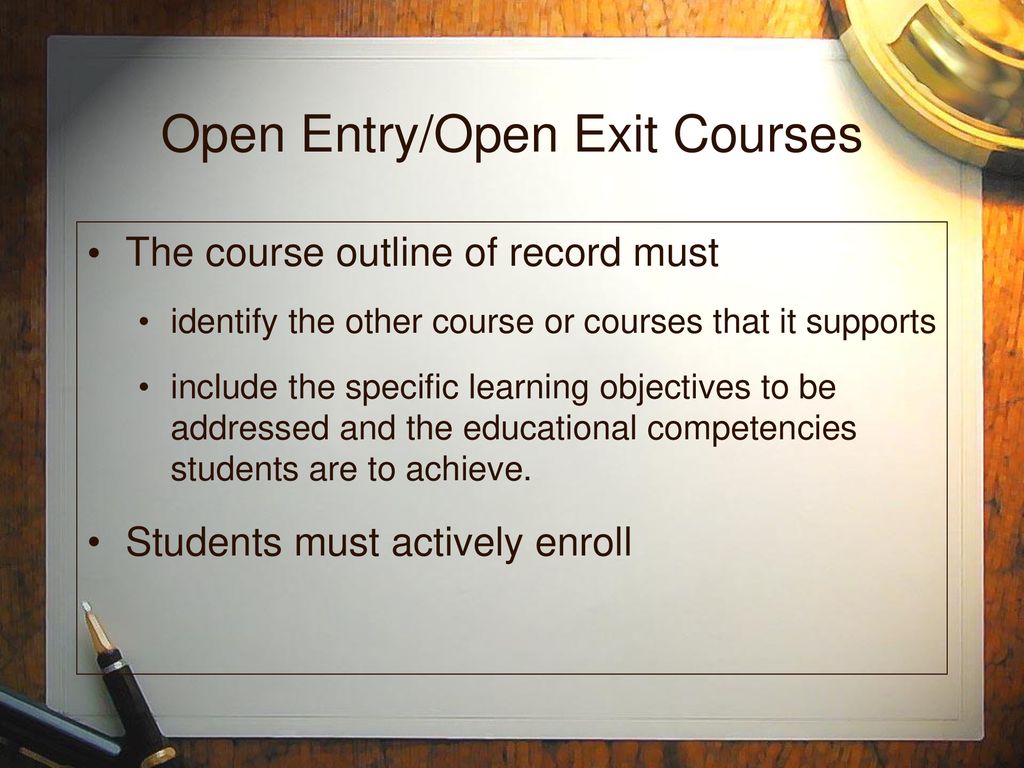
Title 5 Curriculum Changes ppt download
PPT Competency Based Education PowerPoint Presentation, free download ID8868944
.jpg)
Four Components to Certification Success ppt download
PPT CREDIT / NONCREDIT? PowerPoint Presentation, free download ID3860832
PPT The Developmental Landscape PowerPoint Presentation, free download ID5319794
Beginning Noncredit Programs and Moving from Credit to Noncredit ppt download
PPT Four Components to Certification Success PowerPoint Presentation ID760733
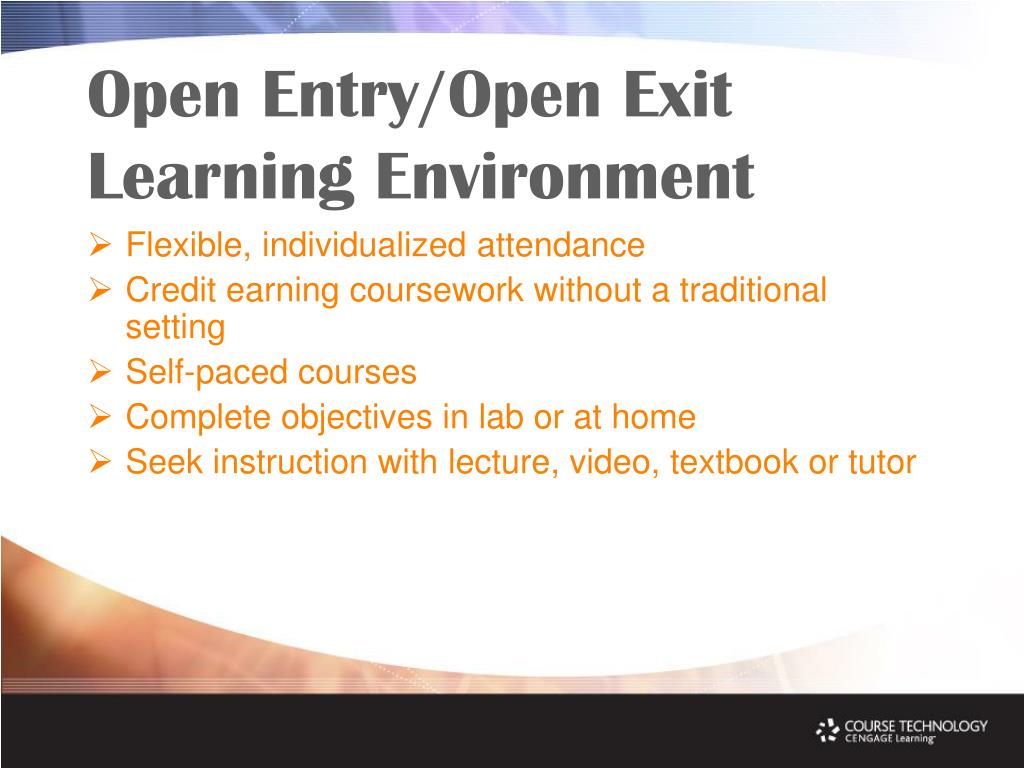
Students Can Work At Their Own Pace On Business Or Personal Computer Applications Online, At Home Or In An Open Computer Lab Environment.
Students May Enroll At Various Times And Complete Open Entry/Open Exit Courses At Varying Paces.
Students Completing Less Than 60% Of The Work Or Time Required In An Open Entry/Open Exit Course Will Be Given A Grade Of “W.” Students Completing 60% Or More Of The Work Or Time Required Will Be Assigned The Grade Earned, I.e., “A”, “B”, “C”, “D”, “F”, “P” Or “Np.” College Catalog.
An “Open Entry And Open Exit” Course Is A Mode Of Delivery That Allows A Student To Enroll In A Class Throughout The Duration Or Near Duration Of The Class And Complete The Class At Any Time Throughout The Duration Of The Class.
Related Post: