
Anatomy And Physiology Course Description
Anatomy And Physiology Course Description - The integumentary, skeletal, muscular, and nervous systems; Human anatomy and physiology i. Search courses by title, code, department, or description. The curriculum provides a basis for students to develop a strong conceptual understanding of the following human body systems: Explain selected physiological functions in selected. Anatomical terminology, histology, and an examination of the structure, function and disease of body systems. Anatomy and physiology i bsc 2085 course description: Anatomy and physiology will relate structure and function to provide an integrated view of how the human body works. Anatomy and physiology is a course that will enable students to develop an understanding of the relationships between the structures and functions of the human body. Joseph nunez email [email protected] instructor office hours by appointment using go to meeting section number biol 237 145334 remote meeting times lab: It is a study of the structure and function of the human body including cells, tissues and organs of the following systems: The student will study basic chemistry, cells, tissues, and the following body systems: Course description:an exploration of the structure and function of molecules, cells, tissues and organs comprising the human body will be emphasized. The course will guide the learners through the human body, as organized conceptually by organ systems, to reinforce understanding of basic concepts of anatomy and physiology and human health and disease. Integumentary, skeletal, muscular, nervous and special senses. This course includes a study of the cells, chemistry, and tissues of the integumentary, skeletal, muscular, nervous, and endocrine systems. The text is written at a college reading level and many college level lab activities are conducted. Course prerequisites/requirements, what you’ll learn, transcript, or other course descriptions. This first course provides a basic overview of the human body. Course activities include lectures and laboratory sessions. And the general and special senses. Integumentary, skeletal, muscular, nervous and special senses. Connect what you learn about anatomy and physiology to what you already know about your own body. Explain selected physiological functions in selected. Anatomy and physiology will relate structure and function to provide an integrated view of how the human body works. Students will learn the terminology, anatomy and physiology, and pathology of each body system and how they interrelate to maintain homeostasis. 104 martindale student services center. Connect what you learn about anatomy and physiology to what you already know about your own body. Use appropriate terminology related to human physiology in selected organ systems. The integumentary, skeletal, muscular, and nervous. Some of the information from this course will provide students with And the integumentary, skeletal, muscular, nervous systems and special senses. Describe the regulation of the human body and explain how body systems studied are integrated. The course will guide the learners through the human body, as organized conceptually by organ systems, to reinforce understanding of basic concepts of anatomy. Explain the relationships between the chemical components of the body and its structure and metabolism. Search courses by title, code, department, or description. Describe the regulation of the human body and explain how body systems studied are integrated. Learners will develop essential anatomical knowledge, understand the relationship between structure and function, and explore homeostasis. Highly regarded authors, jerry tortora and. This first course provides a basic overview of the human body. This anatomy and physiology course is an introduction to the human body and how it functions. Integumentary, skeletal, muscular, nervous and special senses. Topics include basic anatomical and directional terminology; Course description:an exploration of the structure and function of molecules, cells, tissues and organs comprising the human body will. Explain the relationship of anatomy and physiology to basic health and pathology. This course will guide you through the various body systems as you learn how they function and interact with each other to maintain health and homeostasis. Anatomical terminology, histology, and an examination of the structure, function and disease of body systems. This course provides a foundational understanding of. It examines common organizational patterns and terms in anatomy. The 16 th edition continues to set the discipline standardby combining exceptional content and outstanding visuals for a rich and comprehensive experience. The student will study basic chemistry, cells, tissues, and the following body systems: The curriculum provides a basis for students to develop a strong conceptual understanding of the following. Anatomical terminology, histology, and an examination of the structure, function and disease of body systems. Course description:an exploration of the structure and function of molecules, cells, tissues and organs comprising the human body will be emphasized. It examines common organizational patterns and terms in anatomy. Explain the relationship of anatomy and physiology to basic health and pathology. Highly regarded authors,. Search courses by title, code, department, or description. The course provides laboratory activities that include the use of the scientific method, observation of tissue specimens via microscope, and dissection labs. Joseph nunez email [email protected] instructor office hours by appointment using go to meeting section number biol 237 145334 remote meeting times lab: Course prerequisites/requirements, what you’ll learn, transcript, or. From the very first edition, principles of anatomy and physiology has been recognized for its pioneering homeostatic approach to learning structure and function of the human body. This course includes a study of the cells, chemistry, and tissues of the integumentary, skeletal, muscular, nervous, and endocrine systems. Use correct terminology to discuss the chemistry, cell structure, and tissues of the. The course provides laboratory activities that include the use of the scientific method, observation of tissue specimens via microscope, and dissection labs. It is a study of the structure and function of the human body including cells, tissues and organs of the following systems: The student will study basic chemistry, cells, tissues, and the following body systems: Victoria lawson course description an introduction to the anatomy and physiology of embryonic development, the nervous system. Anatomy and physiology is a course that will enable students to develop an understanding of the relationships between the structures and functions of the human body. Search courses by title, code, department, or description. Integumentary, skeletal, muscular, nervous and special senses. Some of the information from this course will provide students with Describe the major anatomical components of each human body system studied, describe briefly their anatomical locations and general structures, and explain their physiological functions at both the organ and cellular levels. Anatomical terminology, histology, and an examination of the structure, function and disease of body systems. Anatomy and physiology i bsc 2085 course description: Course activities include lectures and laboratory sessions. Describe the regulation of the human body and explain how body systems studied are integrated. The course will guide the learners through the human body, as organized conceptually by organ systems, to reinforce understanding of basic concepts of anatomy and physiology and human health and disease. Begin to think and speak in the language of the domain while integrating the knowledge you gain about anatomy to support explanations of physiological phenomenon. This course covers the anatomy and physiology of cells, tissues, and the integumentary, skeletal, muscular, and nervous systems within the human body.
Anatomy And Physiology Guide
Full Anatomy and Physiology Curriculum Suburban Science

Anatomy & Physiology Course Description

Human Anatomy and Physiology Syllabus Instructor
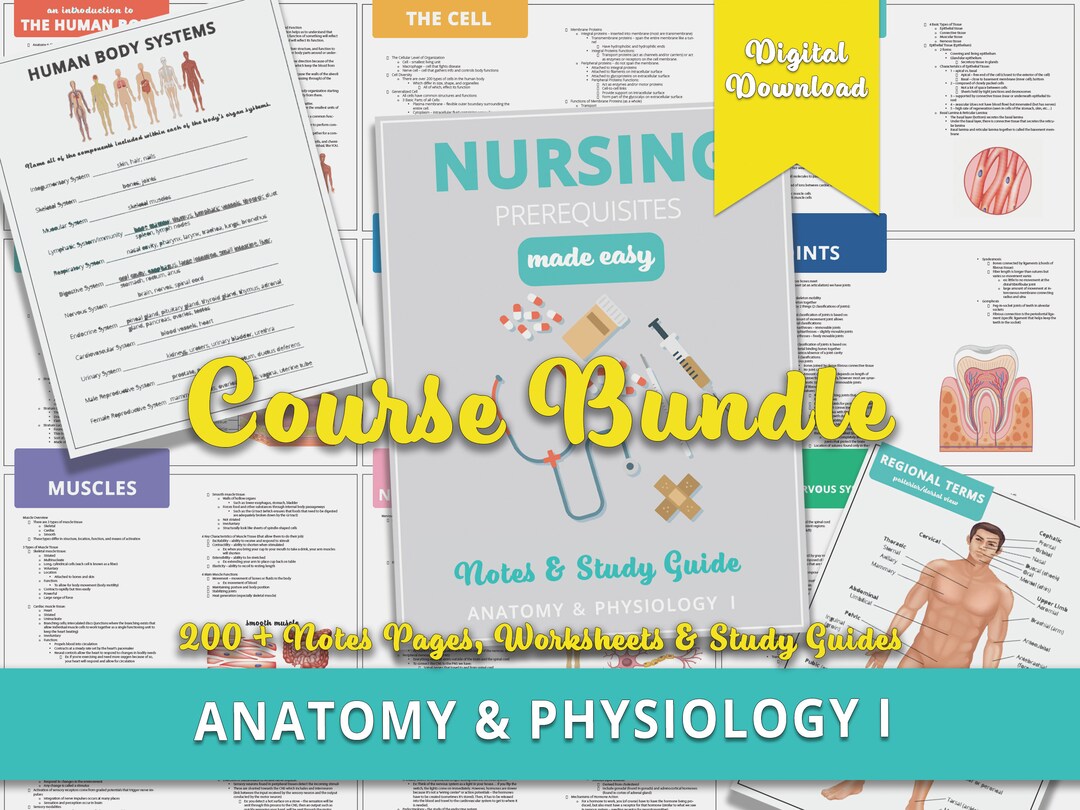
Anatomy and Physiology Course Bundle, Anatomy Notes, Anatomy Study
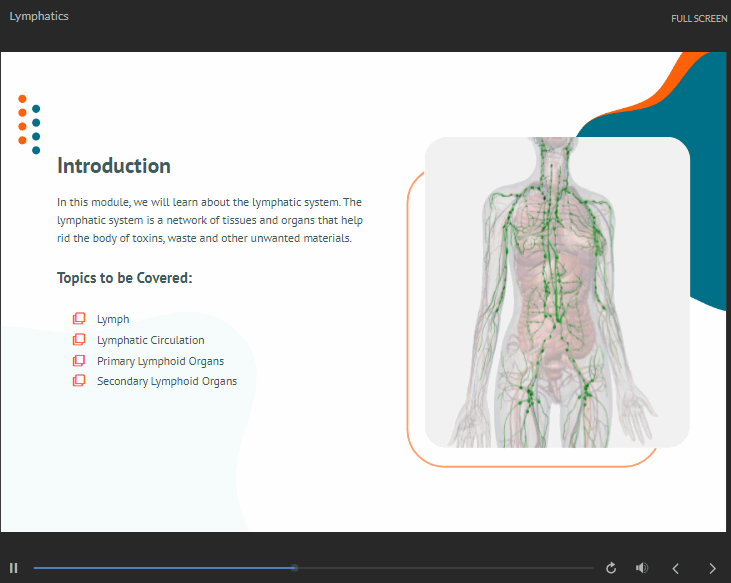
Online Human Body Anatomy & Physiology Course reed.co.uk
Anatomy and Physiology course guide Dakota County Technical College
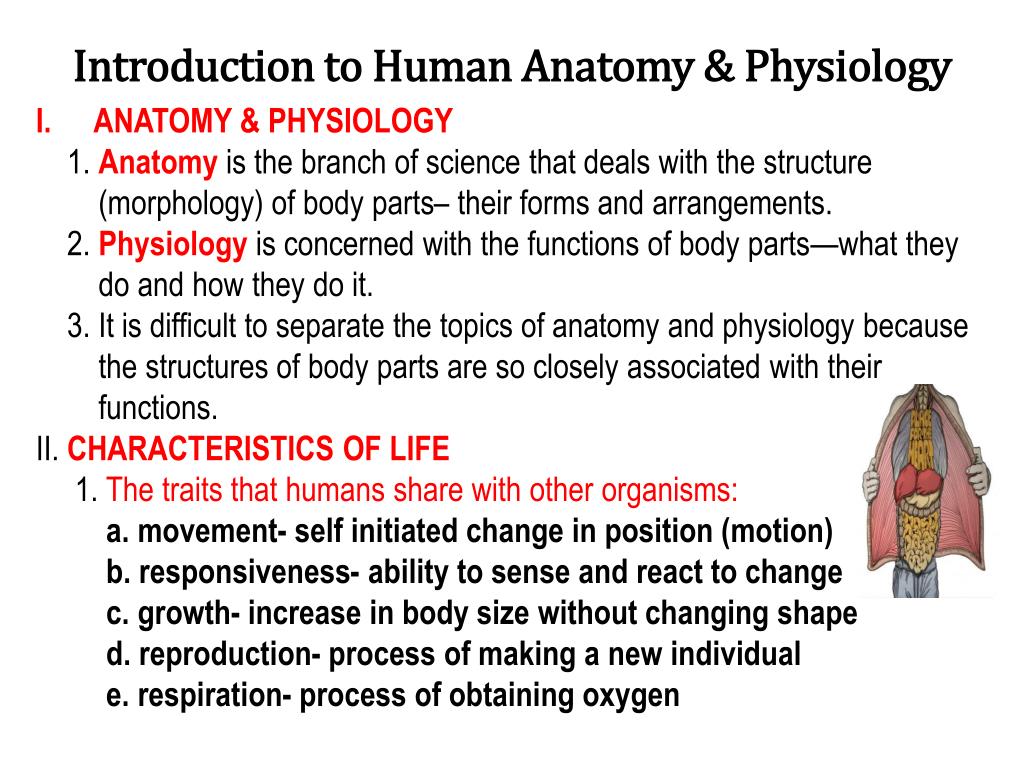
PPT Introduction to Human Anatomy & Physiology PowerPoint
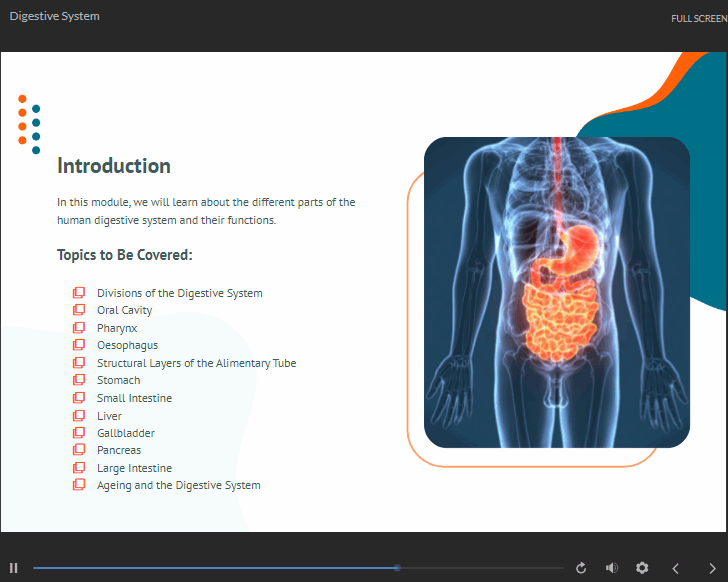
Online Human Body Anatomy & Physiology Course reed.co.uk

Human Anatomy & Physiology Syllabus
The Text Is Written At A College Reading Level And Many College Level Lab Activities Are Conducted.
This First Course Provides A Basic Overview Of The Human Body.
Explain The Relationship Of Anatomy And Physiology To Basic Health And Pathology.
Learners Will Develop Essential Anatomical Knowledge, Understand The Relationship Between Structure And Function, And Explore Homeostasis.
Related Post: