
Ap Courses Vs Dual Credit
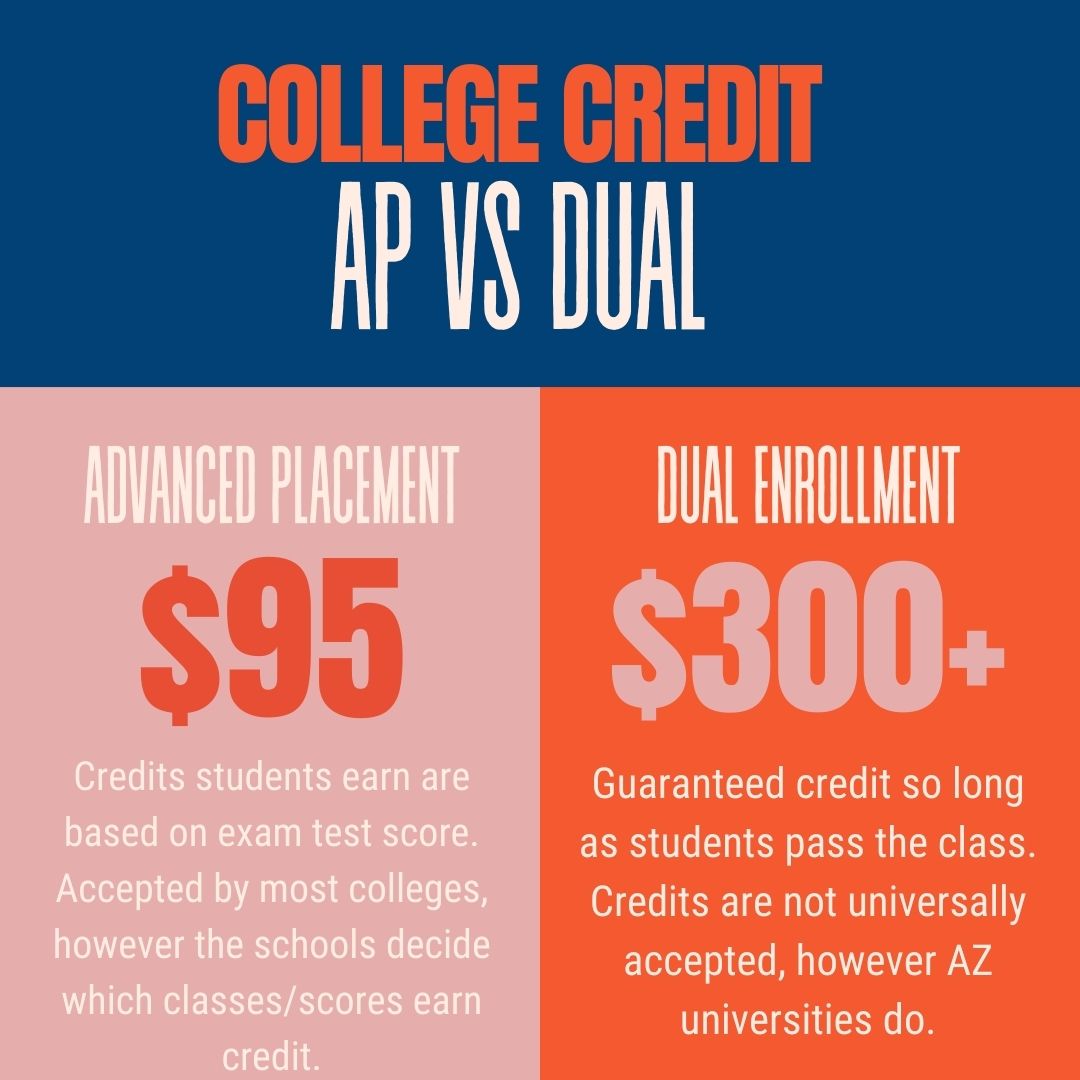
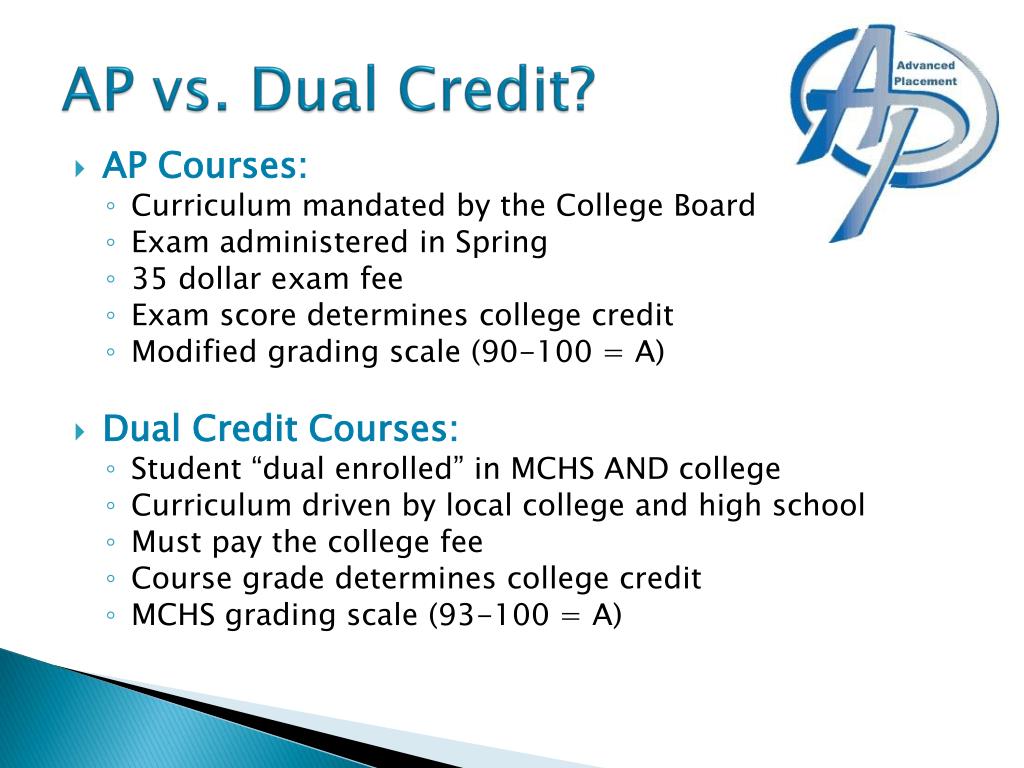
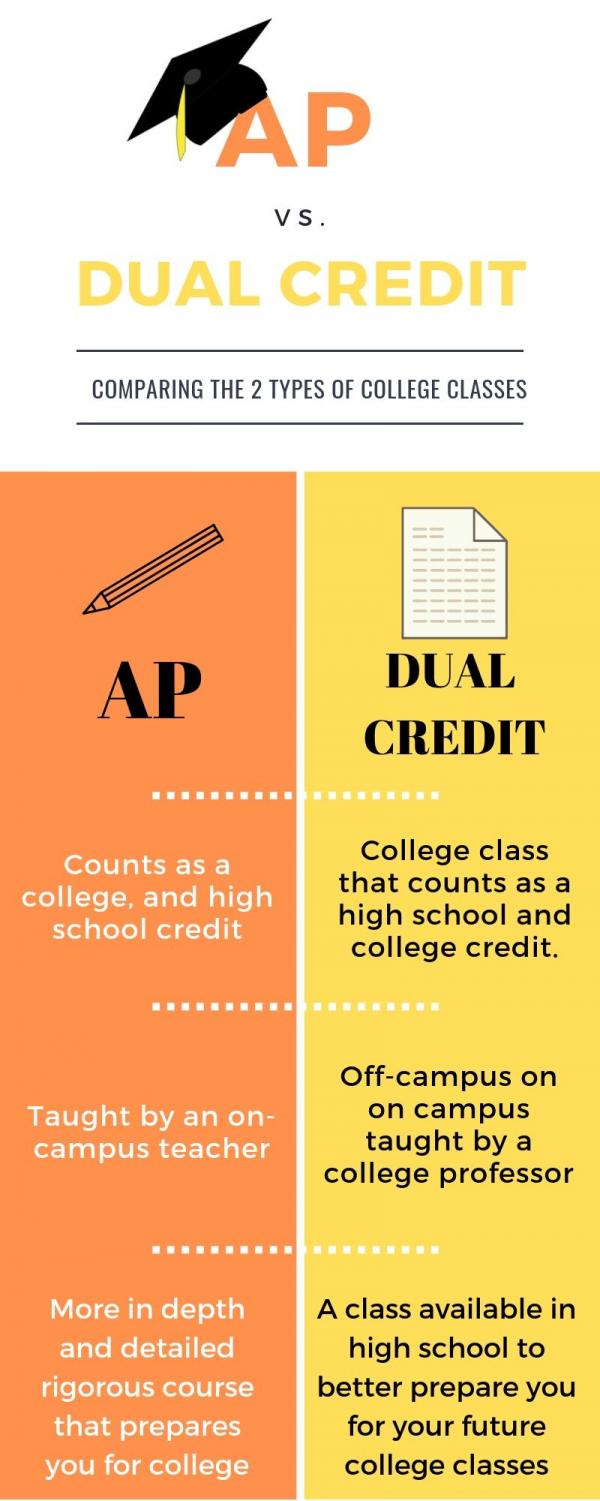
Ap Courses Vs Dual Credit - In the vast majority of cases, dual enrollment classes offered through a student’s high school are subsidized, which means students can begin racking up credits for little to no. There are advantages to both dual credit and advanced placement (ap) courses. Dual enrollment courses count for college credit right away, but homeschool parents or school administrators also put the grades on the high school transcript. Here are the differences between ap credit and dual credit! Allows high school students to. At the end of the course, you may take a standardized exam evaluating your knowledge of and skills in the discipline,. Ap courses are high school courses. Different colleges may view advanced placement (ap) classes and dual credit courses slightly differently, based on their specific policies for granting college credit. If you’re unsure whether to take ap or dual enrollment classes, consider these factors: Ap exams are a standard way to measure how well students have mastered the subject matter. Allows high school students to. Ap exams are a standard way to measure how well students have mastered the subject matter. When deciding between ap courses and dual credit classes, both can offer significant benefits depending on your goals and individual circumstances. Ap classes end with a national exam, while dual credit grades are usually dictated by coursework and a final exam. At the end of the course, you may take a standardized exam evaluating your knowledge of and skills in the discipline,. Compare options to find the one that's the best fit for you. Dual enrollment courses count for college credit right away, but homeschool parents or school administrators also put the grades on the high school transcript. In the vast majority of cases, dual enrollment classes offered through a student’s high school are subsidized, which means students can begin racking up credits for little to no. Here are the differences between ap credit and dual credit! The college board’s ap programincludes courses across english, the arts, math, sciences, history, foreign languages, and other topics. Different colleges may view advanced placement (ap) classes and dual credit courses slightly differently, based on their specific policies for granting college credit. Compare options to find the one that's the best fit for you. Ap classes end with a national exam, while dual credit grades are usually dictated by coursework and a final exam. While both ap and dual. When deciding between ap courses and dual credit classes, both can offer significant benefits depending on your goals and individual circumstances. Ap classes end with a national exam, while dual credit grades are usually dictated by coursework and a final exam. The college board’s ap programincludes courses across english, the arts, math, sciences, history, foreign languages, and other topics. Learn. With dual enrollment, you earn college credits immediately upon successful completion of the. Ap classes end with a national exam, while dual credit grades are usually dictated by coursework and a final exam. Ap courses are high school courses. When deciding between ap courses and dual credit classes, both can offer significant benefits depending on your goals and individual circumstances.. Learn about the advantages of dual enrollment vs ap courses and how these courses can help students earn college credit at minimal cost while still in high school. With dual enrollment, you earn college credits immediately upon successful completion of the. Different colleges may view advanced placement (ap) classes and dual credit courses slightly differently, based on their specific policies. If you’re unsure whether to take ap or dual enrollment classes, consider these factors: In the vast majority of cases, dual enrollment classes offered through a student’s high school are subsidized, which means students can begin racking up credits for little to no. Both dual enrollment and ap offer the potential for college credit, but the paths to earning it. Allows high school students to. Here are the differences between ap credit and dual credit! At the end of the course, you may take a standardized exam evaluating your knowledge of and skills in the discipline,. Ap classes end with a national exam, while dual credit grades are usually dictated by coursework and a final exam. Ap courses are high. At the end of the course, you may take a standardized exam evaluating your knowledge of and skills in the discipline,. While both ap and dual enrollment classes have advantages, and certainly help talented high schoolers get a fast start in college, there are a number of pros and cons to. There are advantages to both dual credit and advanced. Different colleges may view advanced placement (ap) classes and dual credit courses slightly differently, based on their specific policies for granting college credit. At the end of the course, you may take a standardized exam evaluating your knowledge of and skills in the discipline,. With dual enrollment, you earn college credits immediately upon successful completion of the. Allows high school. At the end of the course, you may take a standardized exam evaluating your knowledge of and skills in the discipline,. Compare options to find the one that's the best fit for you. If you’re unsure whether to take ap or dual enrollment classes, consider these factors: In the vast majority of cases, dual enrollment classes offered through a student’s. Compare options to find the one that's the best fit for you. Ap exams are a standard way to measure how well students have mastered the subject matter. With dual enrollment, you earn college credits immediately upon successful completion of the. Allows high school students to. Here are the differences between ap credit and dual credit! At the end of the course, you may take a standardized exam evaluating your knowledge of and skills in the discipline,. Ap classes end with a national exam, while dual credit grades are usually dictated by coursework and a final exam. Ap courses are high school courses. While both ap and dual enrollment classes have advantages, and certainly help talented high schoolers get a fast start in college, there are a number of pros and cons to. Both dual enrollment and ap offer the potential for college credit, but the paths to earning it differ. Different colleges may view advanced placement (ap) classes and dual credit courses slightly differently, based on their specific policies for granting college credit. Dual enrollment programs don't offer a standard way to measure whether students have. Compare options to find the one that's the best fit for you. Ap exams are a standard way to measure how well students have mastered the subject matter. In the vast majority of cases, dual enrollment classes offered through a student’s high school are subsidized, which means students can begin racking up credits for little to no. Dual enrollment courses count for college credit right away, but homeschool parents or school administrators also put the grades on the high school transcript. There are advantages to both dual credit and advanced placement (ap) courses. The college board’s ap programincludes courses across english, the arts, math, sciences, history, foreign languages, and other topics. Here are the differences between ap credit and dual credit! If you’re unsure whether to take ap or dual enrollment classes, consider these factors: Learn about the advantages of dual enrollment vs ap courses and how these courses can help students earn college credit at minimal cost while still in high school.
The Foundation High School Program (FHSP) + Endorsements ppt download
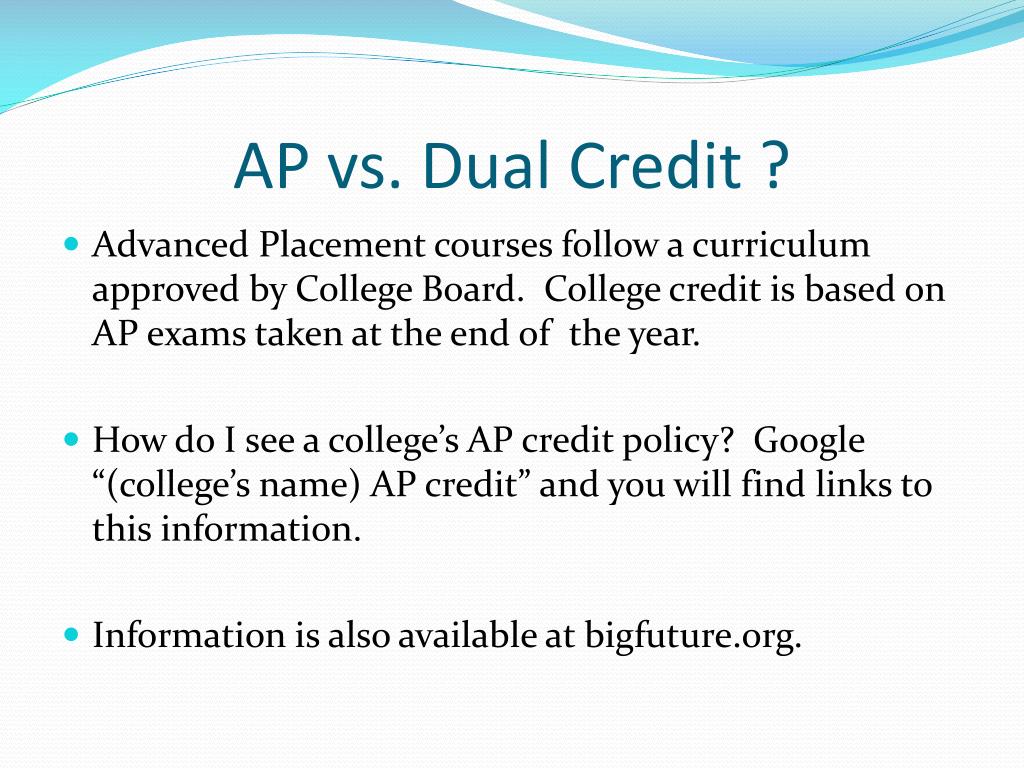
PPT Dual Credit Information Meeting PowerPoint Presentation, free
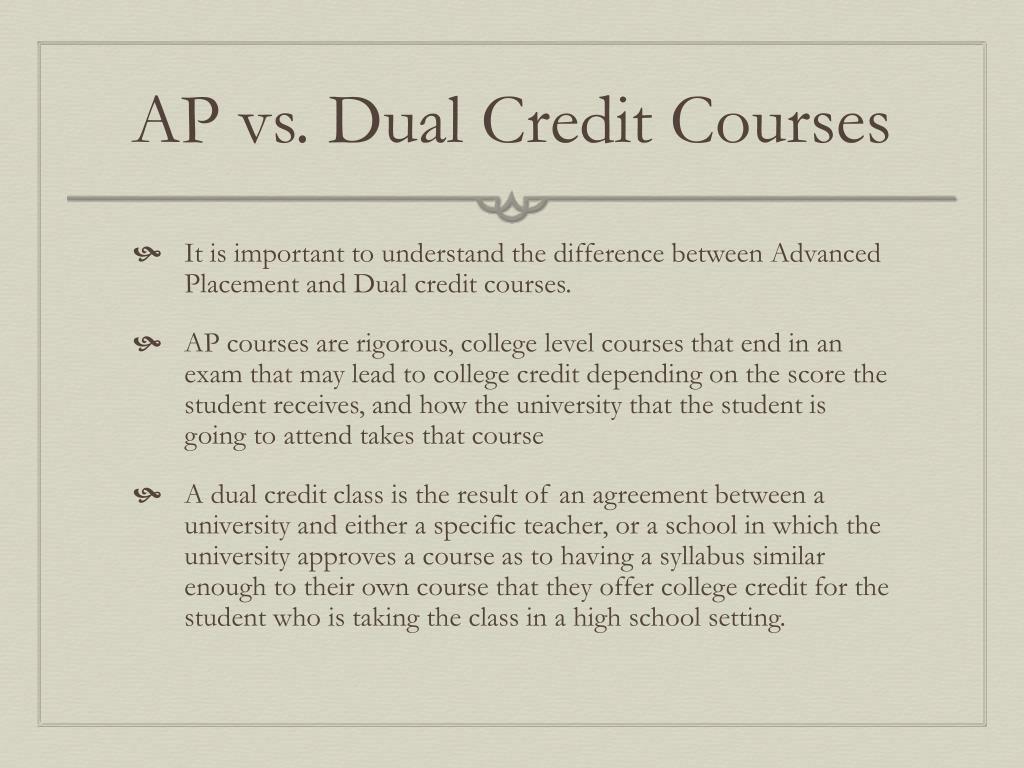
PPT to the JHS Advanced Placement Information Night

Advanced Placement Information Session ppt download
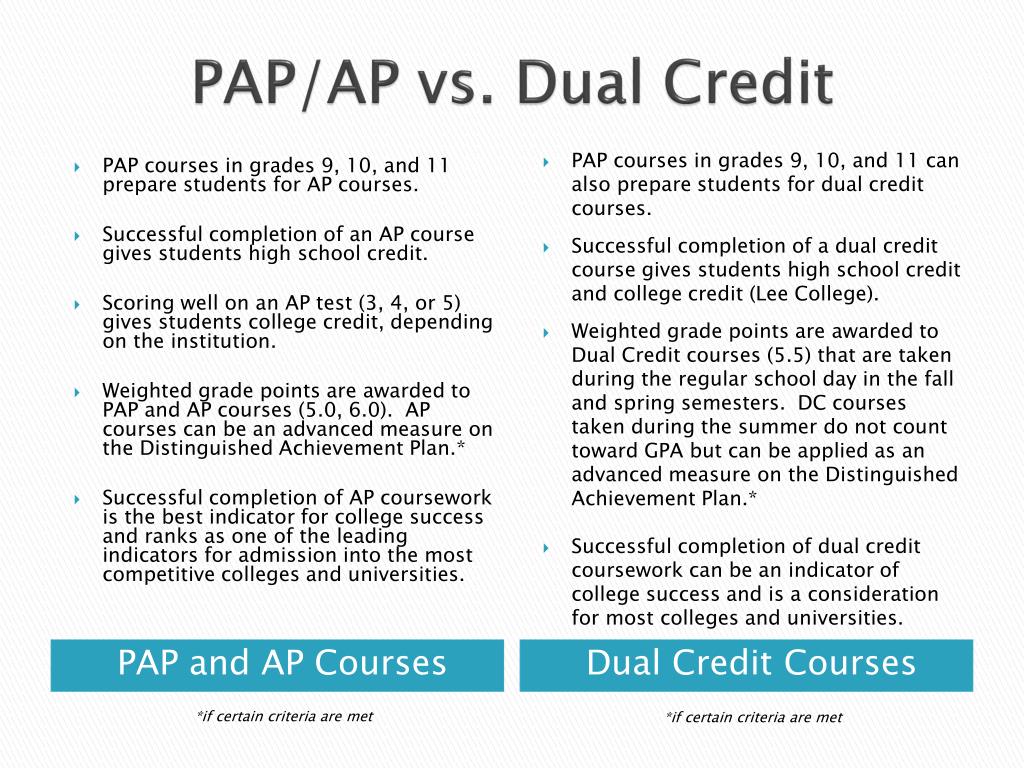
PPT Transitioning to High School PowerPoint Presentation, free
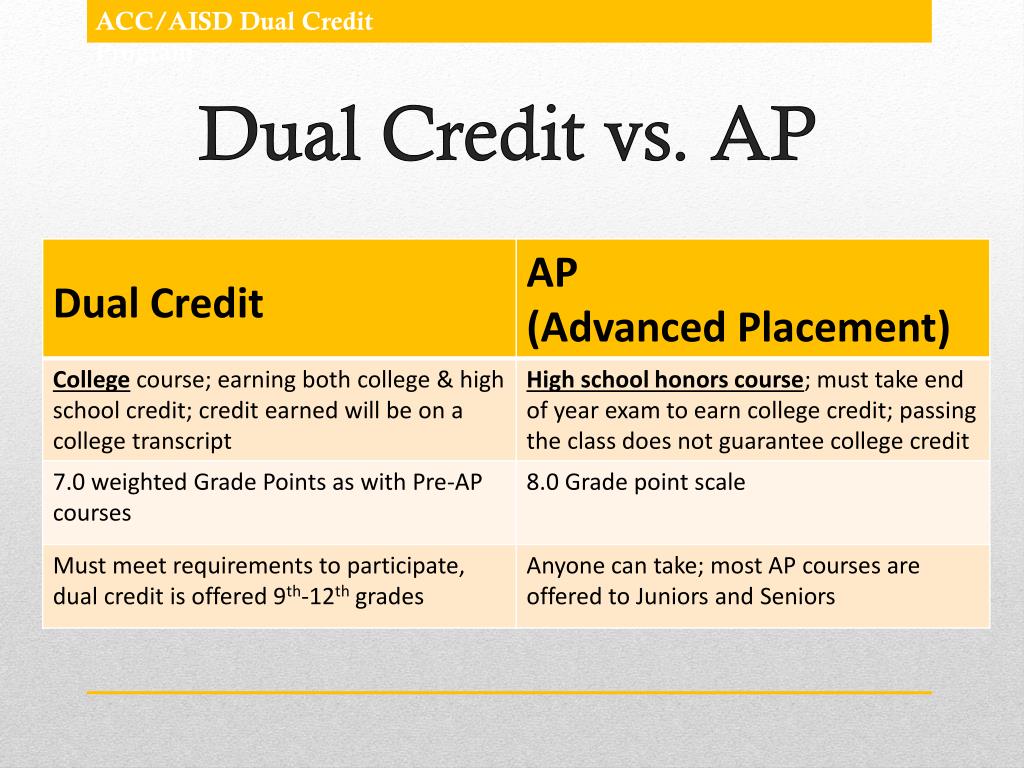
PPT ALVIN COMMUNITY COLLEGE Dual Credit Program Alvin ISD PowerPoint
STEM students should not be required to take AP tests The Precedent
PPT SCHEDULING FOR SUCCESS PowerPoint Presentation, free download
AP vs Dual Credit A Comparison Eagle Eye News
AP vs. Dual Credit The Red Ledger
The Primary Difference Is That Ap Programs Are Standardized And Managed By The College Board, Focusing On Exam Performance For College Credit, While Dual Enrollment.
Allows High School Students To.
With Dual Enrollment, You Earn College Credits Immediately Upon Successful Completion Of The.
When Deciding Between Ap Courses And Dual Credit Classes, Both Can Offer Significant Benefits Depending On Your Goals And Individual Circumstances.
Related Post: