
Are Course Names Capitalized
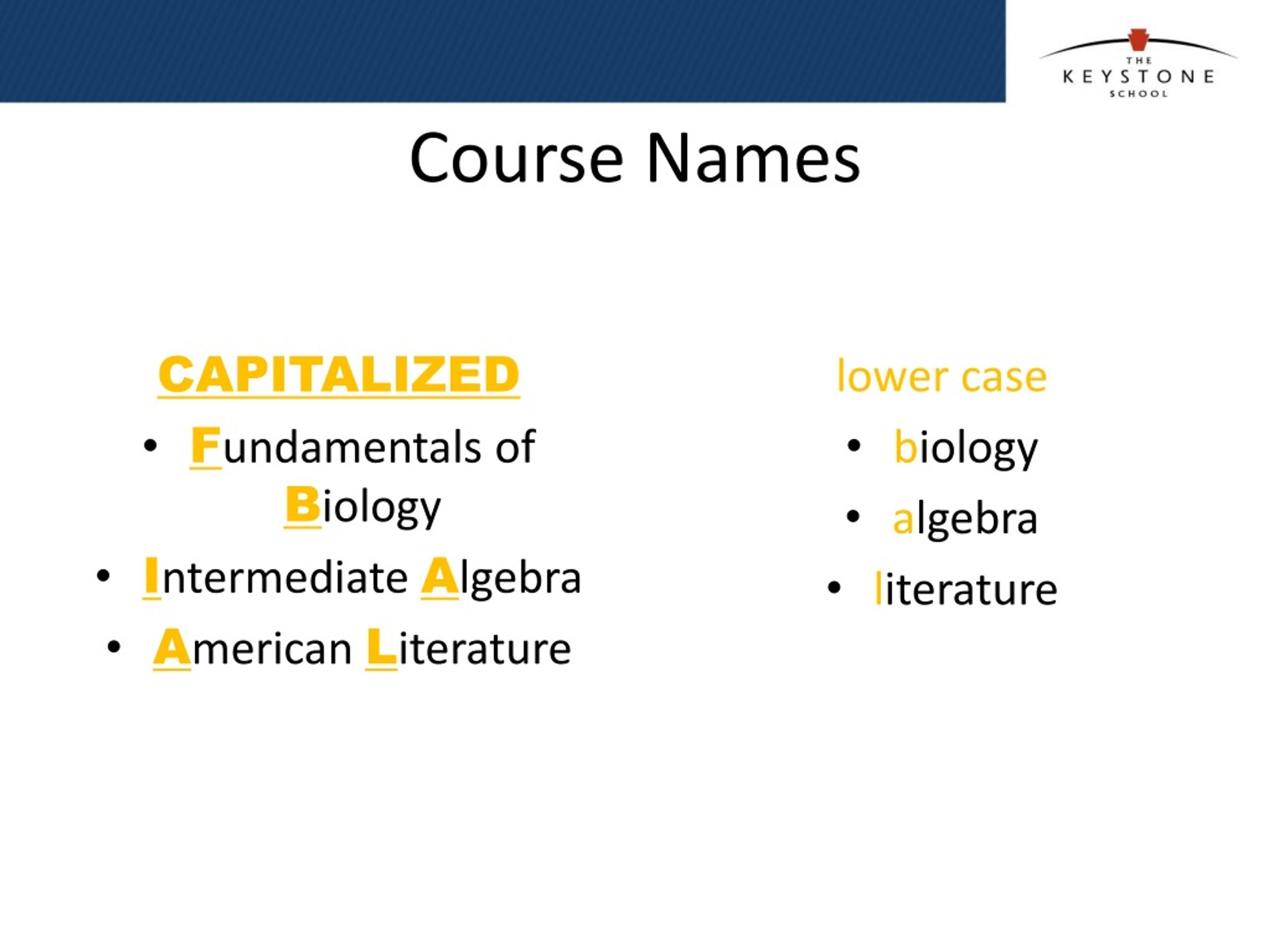
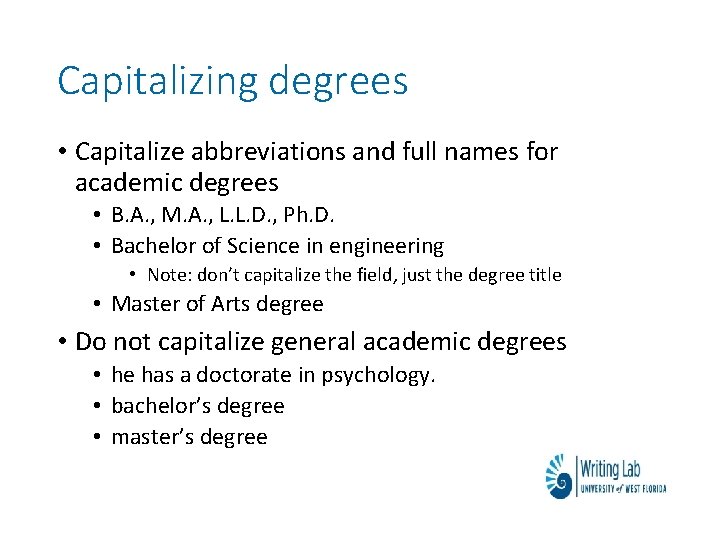
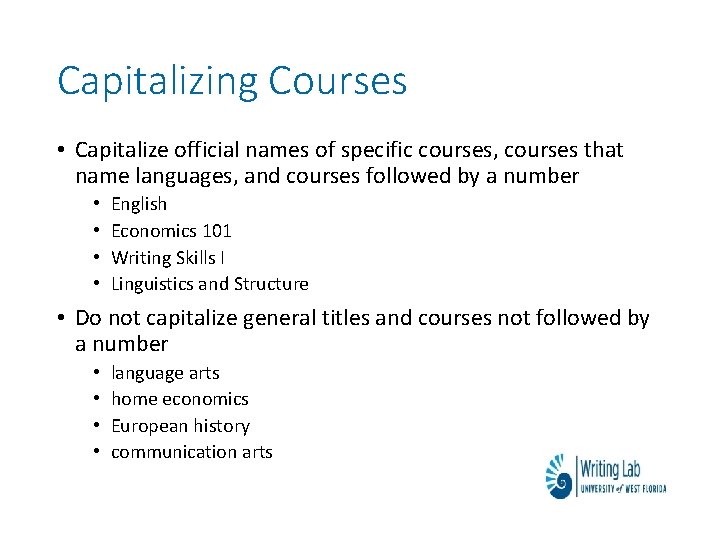
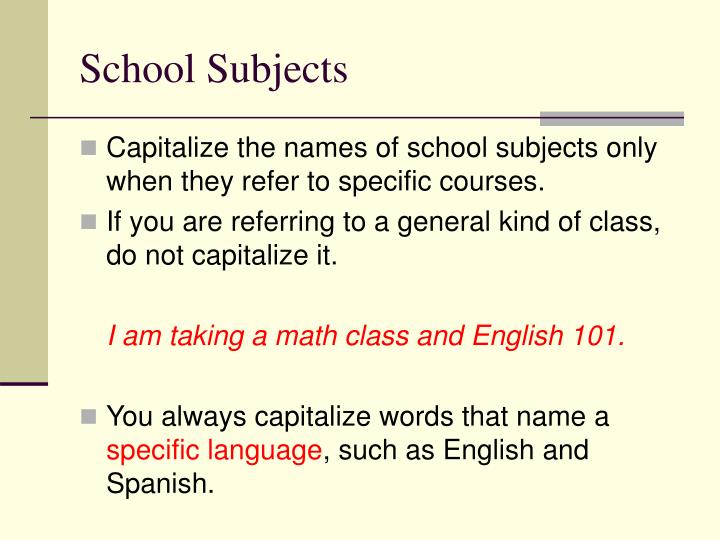
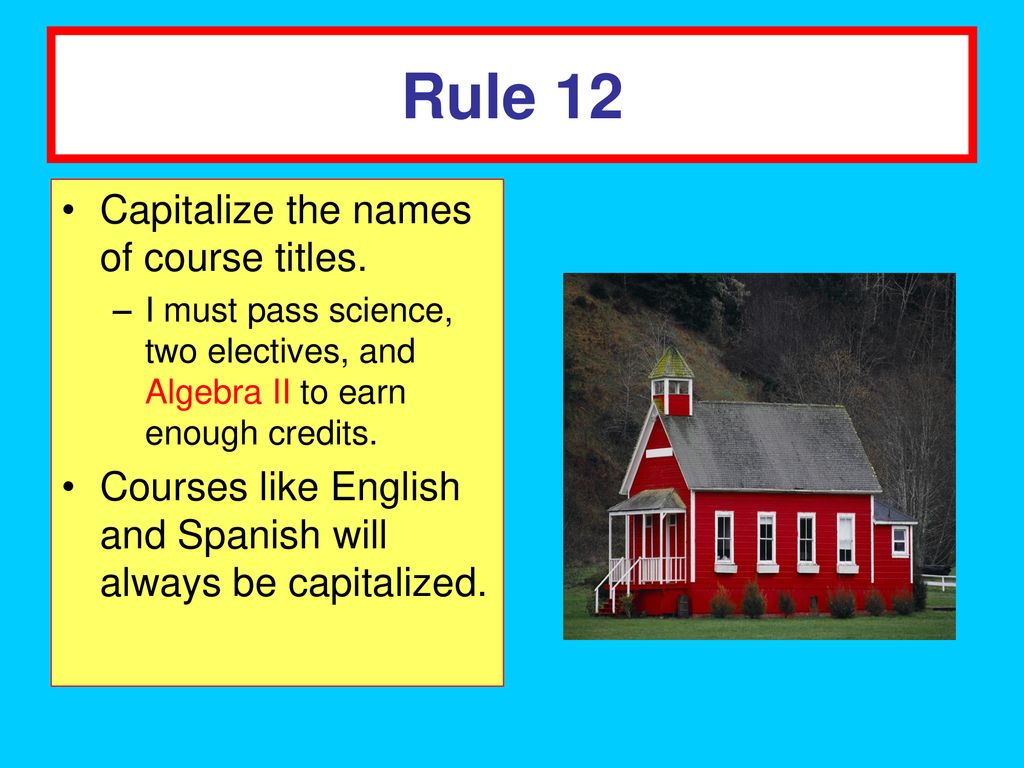
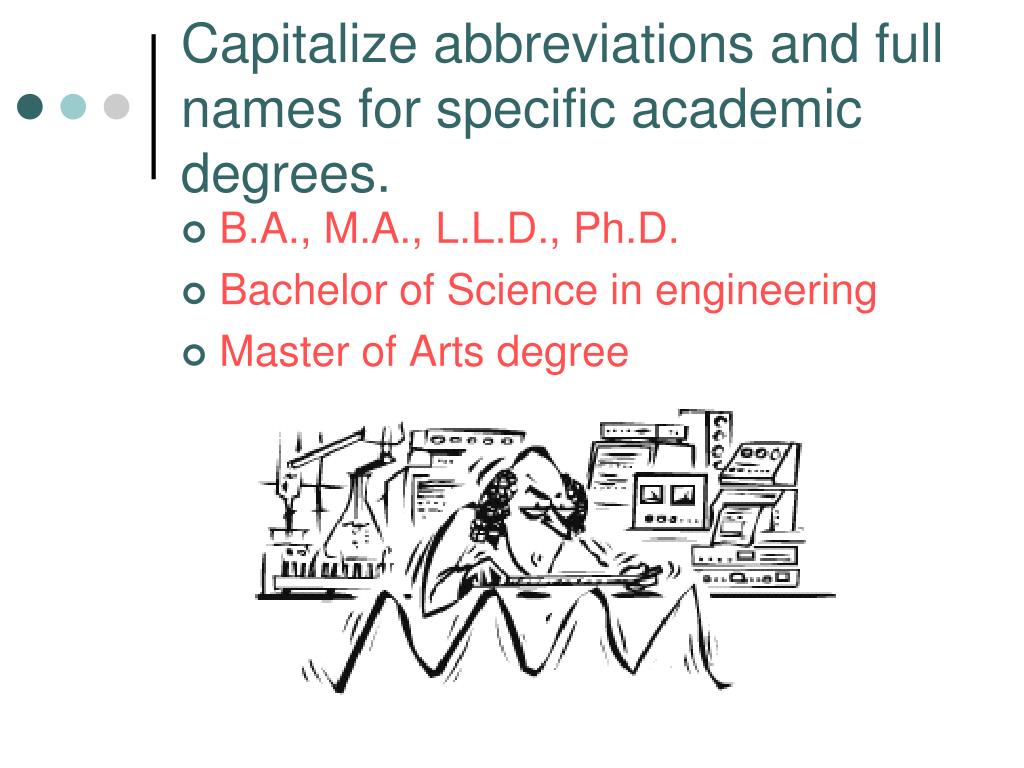
Are Course Names Capitalized - This post details the distinctions between these terms as proper nouns and as generic descriptions. Don’t capitalize academic degrees in your personal statement unless the degree directly precedes or follows a name. Proper names of courses standing alone should be capitalized and placed in quotations. Proper nouns and official names are capitalized. You only need to capitalize school subjects if you are referring to a specific title of a class such as “algebra 2.” in this case, you are referring to a proper noun as the class name. When you are naming a specific class or course, such as science 241 or math 100, always capitalize it. School subjects that are the names of languages, such as english or german, are proper nouns and should be capitalized. The name of a class is capitalized when you're using it as the name of a class. Capitalize course titles such as history of the french revolution and childhood psychology. The names of school subjects are typically common nouns. Janet is earning her master’s degree. Capitalizing specific course titles refers to the convention of writing the names of academic courses with initial capital letters. Except for languages, such as english, french and japanese, the names of academic disciplines, majors, minors, programs and courses of study are not proper nouns and should not be. Proper nouns and official names are capitalized. Academic and nonacademic units and bodies. This practice helps distinguish the titles from regular nouns. Courses with specific titles like 'biology 101' or 'advanced english. You only need to capitalize school subjects if you are referring to a specific title of a class such as “algebra 2.” in this case, you are referring to a proper noun as the class name. (that campus offers bachelor’s and. Proper nouns and formal names of departments and individuals are capitalized. Names of courses are capitalized (algebra 201, math 001). Do not capitalize the name of a degree in informal references: Capitalize the names of the professional schools when using the formal name, e.g. When you are naming a specific class or course, such as science 241 or math 100, always capitalize it. This post details the distinctions between these terms. This practice helps distinguish the titles from regular nouns. Don’t capitalize academic degrees in your personal statement unless the degree directly precedes or follows a name. School subjects that are the names of languages, such as english or german, are proper nouns and should be capitalized. Capitalizing specific course titles refers to the convention of writing the names of academic. Do capitalize the full name of a degree (“bachelor of arts”) on your resume. Languages such as 'english', 'spanish', and 'mandarin' must always be capitalized because they are proper nouns. Names of courses are capitalized (algebra 201, math 001). Don’t capitalize academic degrees in your personal statement unless the degree directly precedes or follows a name. (that campus offers bachelor’s. Languages such as 'english', 'spanish', and 'mandarin' must always be capitalized because they are proper nouns. Usage is divided with regard to capitalizing the name of a specific degree written in full. If the name of a class is a common word or phrase, when you're using it to refer to something. The name of a class is capitalized when. When you are talking about the name of a specific class or course, such as math 241 or chemistry 100, always capitalize it. Courses with specific titles like 'biology 101' or 'advanced english. When you are naming a specific class or course, such as science 241 or math 100, always capitalize it. (that campus offers bachelor’s and. The names of. This practice helps distinguish the titles from regular nouns. Proper nouns and formal names of departments and individuals are capitalized. “every section of introduction to psychology is closed.” a numbered course, even a conjectural one,. Specific course names are capitalized but not enclosed in quotation marks: If the name of a class is a common word or phrase, when you're. Except for languages, such as english, french and japanese, the names of academic disciplines, majors, minors, programs and courses of study are not proper nouns and should not be. This post details the distinctions between these terms as proper nouns and as generic descriptions. Capitalize course titles such as history of the united states and elementary. “every section of introduction. Proper nouns and formal names of departments and individuals are capitalized. When you are talking about the name of a specific class or course, such as math 241 or chemistry 100, always capitalize it. If the name of a class is a common word or phrase, when you're using it to refer to something. Don’t capitalize academic degrees in your. Except for languages, such as english, french and japanese, the names of academic disciplines, majors, minors, programs and courses of study are not proper nouns and should not be. Proper nouns and formal names of departments and individuals are capitalized. Names of courses are capitalized (algebra 201, math 001). Capitalize the names of the professional schools when using the formal. Proper names of courses standing alone should be capitalized and placed in quotations. You only need to capitalize school subjects if you are referring to a specific title of a class such as “algebra 2.” in this case, you are referring to a proper noun as the class name. Professor smith but not “the professor” When used together, separate with. School of law or school of architecture. on second reference or when referencing less formally, use. Do not capitalize the name of a degree in informal references: Professor smith but not “the professor” Capitalize course titles such as history of the french revolution and childhood psychology. School subjects that are the names of languages, such as english or german, are proper nouns and should be capitalized. When you are talking about the name of a specific class or course, such as math 241 or chemistry 100, always capitalize it. Don’t capitalize academic degrees in your personal statement unless the degree directly precedes or follows a name. When you are naming a specific class or course, such as science 241 or math 100, always capitalize it. Names of courses are capitalized (algebra 201, math 001). Do capitalize the full name of a degree (“bachelor of arts”) on your resume. You should capitalize titles of people when used as part of their proper name. Courses with specific titles like 'biology 101' or 'advanced english. “every section of introduction to psychology is closed.” a numbered course, even a conjectural one,. Languages such as 'english', 'spanish', and 'mandarin' must always be capitalized because they are proper nouns. Usage is divided with regard to capitalizing the name of a specific degree written in full. Common nouns and informal forms of official names are not capitalized.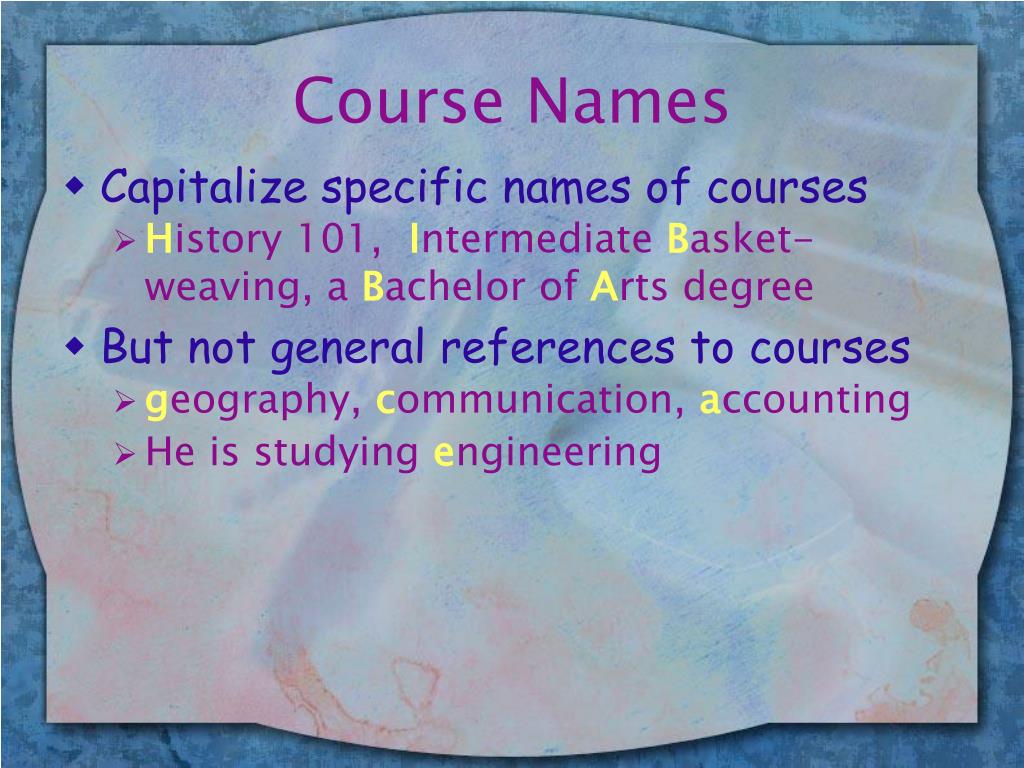
PPT Using Capital Letters PowerPoint Presentation, free download ID

Capitalization Rules. ppt download
PPT Capitalization Rules Correcting Common Mistakes PowerPoint
Writing Lab Capitalization Academic Classifications Capitalizing

PPT Capitalization Rules PowerPoint Presentation, free download ID
Writing Lab Capitalization Academic Classifications Capitalizing

Punctuation, Spelling, and Capitalization (G11 & 12) and Revising
PPT Capitalization PowerPoint Presentation ID1287551
Capitalization Rules. ppt download
PPT Capitalization of Academic Classifications, Courses, and Degrees
Except For Languages, Such As English, French And Japanese, The Names Of Academic Disciplines, Majors, Minors, Programs And Courses Of Study Are Not Proper Nouns And Should Not Be.
Specific Course Names Are Capitalized But Not Enclosed In Quotation Marks:
Capitalize The Names Of The Professional Schools When Using The Formal Name, E.g.
Proper Nouns And Formal Names Of Departments And Individuals Are Capitalized.
Related Post: