
Bike Rodeo Course Layout
Bike Rodeo Course Layout - To create a dynamic course, use cones, ramps, and other props like pool noodles or chalk. Below are some ideas to help you create a memorable bicycle rodeo: Basic traffic rules will be reviewed, course layout will be explained, and score sheets will be handed out. We use most of the stations mentioned in the bicycle rodeo guide. Design a dynamic & exciting bike rodeo obstacle course layout setting up an engaging and safe obstacle course is an essential part of any bike rodeo. Skill stations may be shortened, may be switched around to accommodate areas that are different in shape and size, or some stations may be eliminated if space is limited. A bike rodeo incorporates roadway components like stop signs, traffic signals, and crosswalks. Layout course using measurements and stations shown or adjust those measurements and which stations to use based on what space you have available. Each rodeo includes different skill. All signs easily clip into cones and delineators, making setup a breeze for your bike rodeo even. • finalize the course layout. Each station will test the riders skill and knowledge of safe bike riding. This guide is centered around bicycle rodeos and will cover the main areas of preparation and how the event takes place, as well as the types of activities that take place within the rodeo and how to follow up on a rodeo. Course area should be level. Below are some ideas to help you create a memorable bicycle rodeo: This manual contains the following: Set up a course and conduct the rodeo. Set up a series of obstacle courses that will challenge participants’ riding abilities and. Contextual guidance for bikeway design encompasses the needs of a wider swath of potential riders, across genders, ages, races, ethnicities, incomes, and abilities. Bike rodeos are a great way for kids and their parents to learn about biking safety with practice. This manual contains the following: Design a dynamic & exciting bike rodeo obstacle course layout setting up an engaging and safe obstacle course is an essential part of any bike rodeo. It also teaches kids to get more comfortable on a bike by guiding them through a series a winding maneuvers, figure eights, and roadway/trail obstacles. Set up a series. Draw all chalk lines in a color that shows up on your pavement or concrete. Kids bring their bikes and practice and develop skills that will help them to become better bicyclists and avoid typical crashes. If we want to build fundamental bike skills and lifelong habits, it takes repetition, real. All signs easily clip into cones and delineators, making. It also teaches kids to get more comfortable on a bike by guiding them through a series a winding maneuvers, figure eights, and roadway/trail obstacles. Skill stations may be shortened, may be switched around to accommodate areas that are different in shape and size, or some stations may be eliminated if space is limited. However, the dimensions of your site. • draw the rodeo layout. Course area should be level. If we want to build fundamental bike skills and lifelong habits, it takes repetition, real. Layout course using measurements and stations shown or adjust those measurements and which stations to use based on what space you have available. Design a dynamic & exciting bike rodeo obstacle course layout setting up. Set up a series of obstacle courses that will challenge participants’ riding abilities and. We use most of the stations mentioned in the bicycle rodeo guide. Suggested stations and layout for a smooth event • station details: However, the dimensions of your site will determine how many of the stations you can use. Bike rodeos are a great way for. Draw stop lines in red. Choose the map style that best suits your ride. Set up a series of obstacle courses that will challenge participants’ riding abilities and. Basic traffic rules will be reviewed, course layout will be explained, and score sheets will be handed out. • draw the rodeo layout. Set up a series of obstacle courses that will challenge participants’ riding abilities and. While it’s easy to organize a bad rodeo, it’s not as easy as many think to do it right, and effectively. Course layout the course is comprised of 10 stations, with registration and basic instruction provided prior to starting the bike rodeo course. This guide is. We use most of the stations mentioned in the bicycle rodeo guide. The goal is to help scouts build confidence on their bikes while practicing essential skills like balance, steering, and braking. Course area should be level. • finalize the course layout. However, the dimensions of your site will determine how many of the stations you can use. Each station will test the riders skill and knowledge of safe bike riding. • finalize the course layout. Kids bring their bikes and practice and develop skills that will help them to become better bicyclists and avoid typical crashes. Draw all chalk lines in a color that shows up on your pavement or concrete. Choose the map style that best. This manual contains the following: Join bike walk every town, the active transportation alliance’s new suburban advocacy program. The guide offers substantive information on safe intersection design, with a focus on conflict reduction. Draw stop lines in red. While it’s easy to organize a bad rodeo, it’s not as easy as many think to do it right, and effectively. The goal is to help scouts build confidence on their bikes while practicing essential skills like balance, steering, and braking. The number one bike route planning tool on the web. While it’s easy to organize a bad rodeo, it’s not as easy as many think to do it right, and effectively. Suggested stations and layout for a smooth event • station details: Skill stations may be shortened, may be switched around to accommodate areas that are different in shape and size, or some stations may be eliminated if space is limited. Plan your next bike ride and use voice navigation with offline maps. Below are some ideas to help you create a memorable bicycle rodeo: All signs easily clip into cones and delineators, making setup a breeze for your bike rodeo even. A bike rodeo incorporates roadway components like stop signs, traffic signals, and crosswalks. Each station will test the riders skill and knowledge of safe bike riding. Draw all chalk lines in a color that shows up on your pavement or concrete. Each rodeo includes different skill. The program will help you develop the skills and access the resources needed to strengthen biking and walking in your community. Layout course using measurements and stations shown or adjust those measurements and which stations to use based on what space you have available. Use your rodeo guide to draw a rodeo layout. This manual contains the following: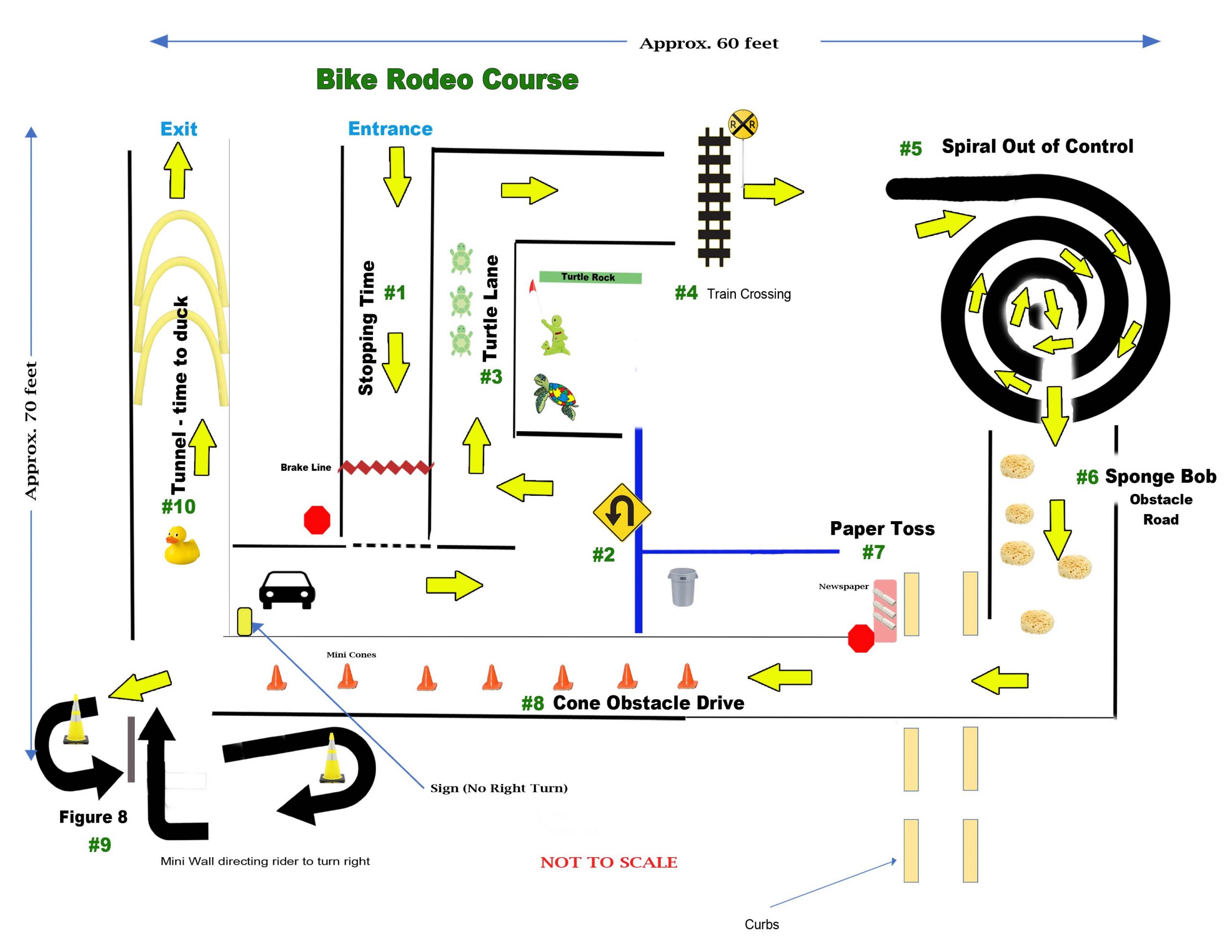
Bike Rodeo Course Three Rivers District
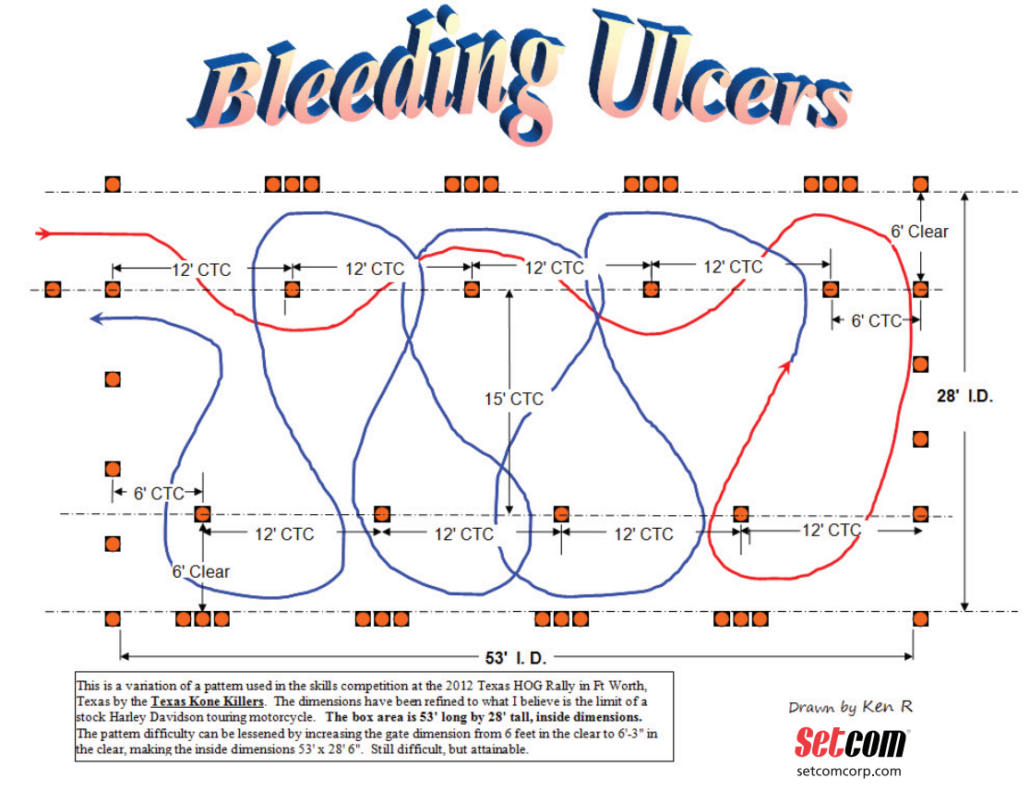
Course Layout South East Police Motorcycle Rodeo
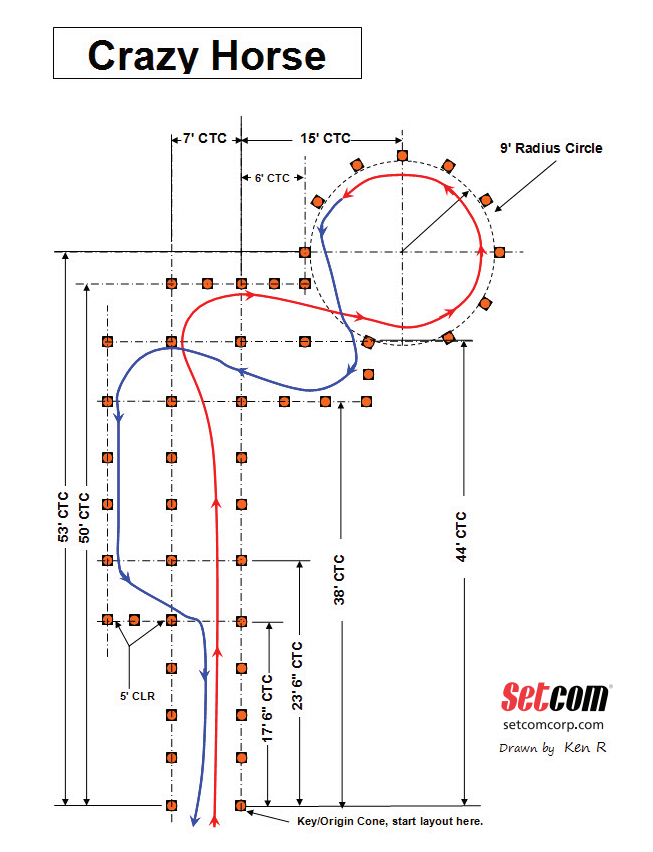
Course Layout South East Police Motorcycle Rodeo

Bike Rodeo obstacle course YouTube

Bike Rally Layout

Cub Scout Bike Rodeo Ideas

Pack 1113 Bear Wolk Bike Rodeo & Rally Plano Pack 1113 Scout bike
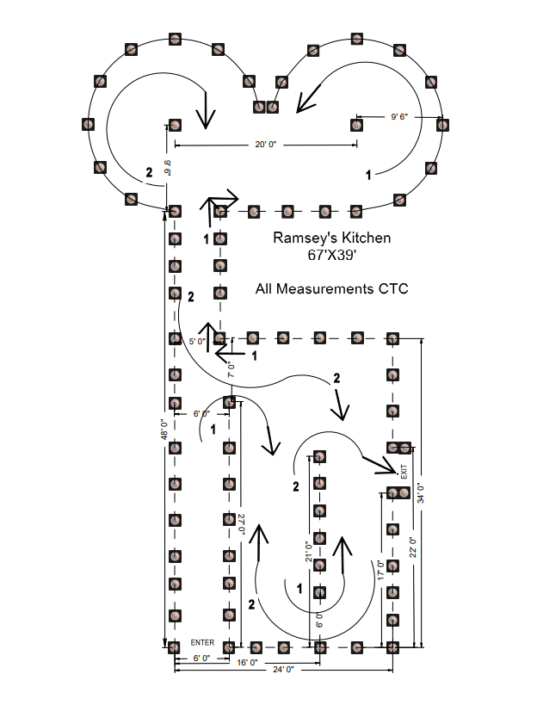
Course Layout South East Police Motorcycle Rodeo
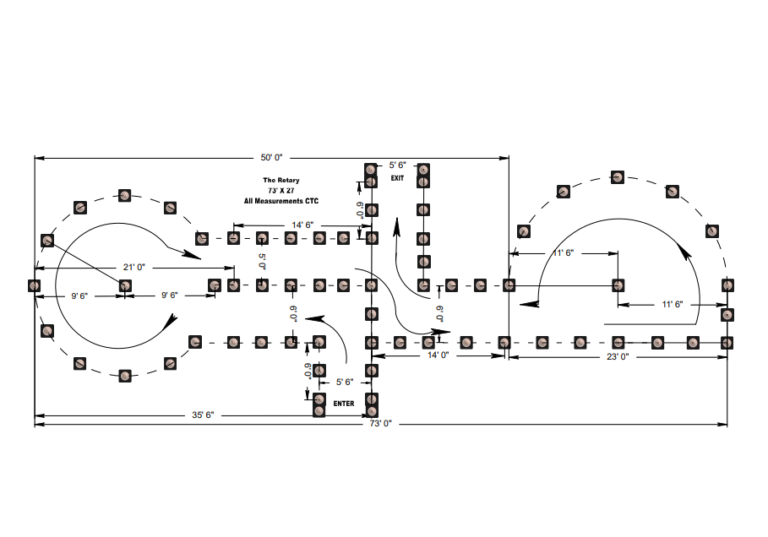
Course Layout South East Police Motorcycle Rodeo
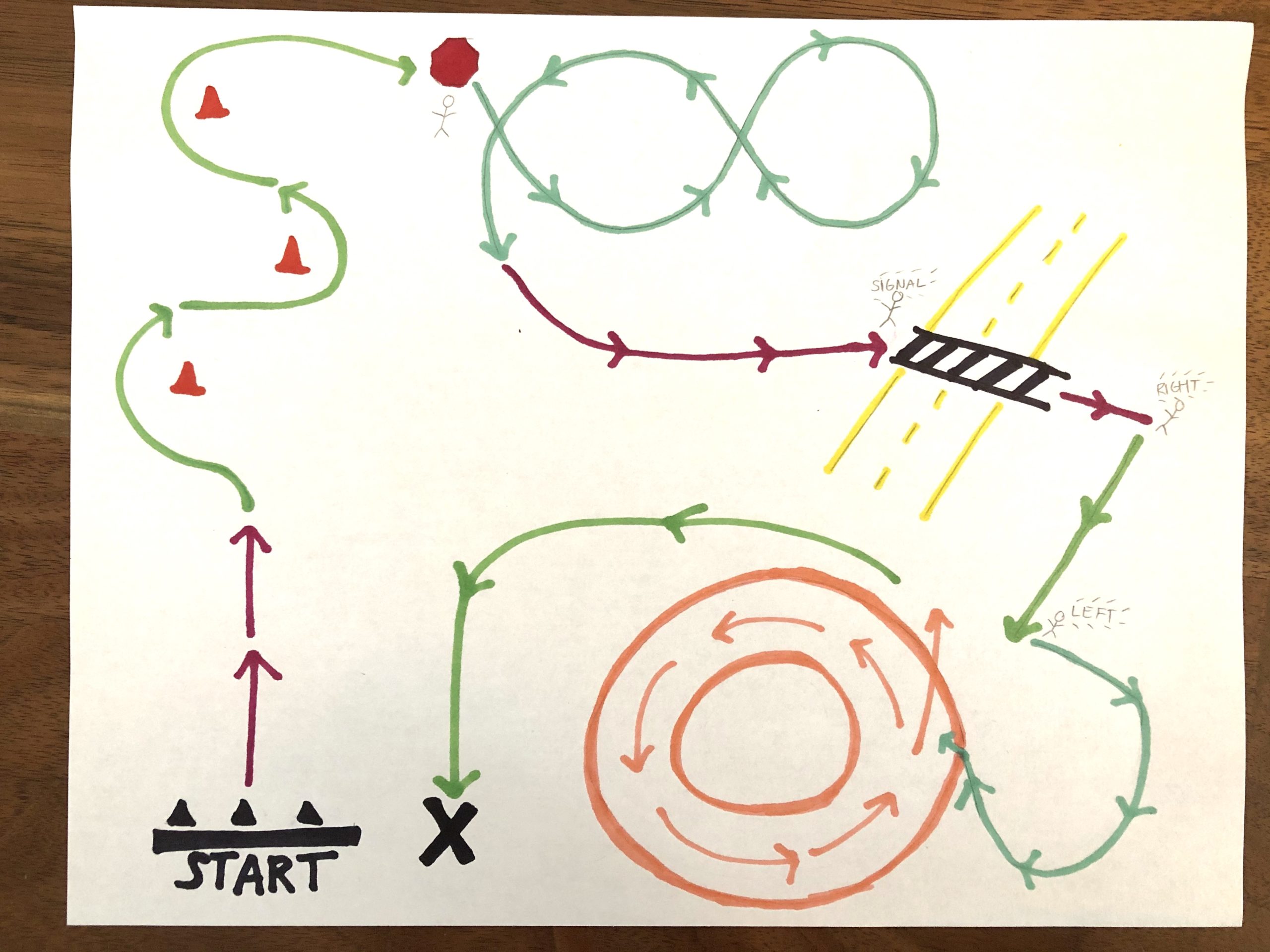
DIY Bike Rodeo! City County Planning Commission
However, The Dimensions Of Your Site Will Determine How Many Of The Stations You Can Use.
Draw Chalk Lines 6’ Apart With Intersections Every 25’, Place Stop Sign At First Intersection, Place.
Design A Dynamic & Exciting Bike Rodeo Obstacle Course Layout Setting Up An Engaging And Safe Obstacle Course Is An Essential Part Of Any Bike Rodeo.
Join Bike Walk Every Town, The Active Transportation Alliance’s New Suburban Advocacy Program.
Related Post: