
Course Numbering
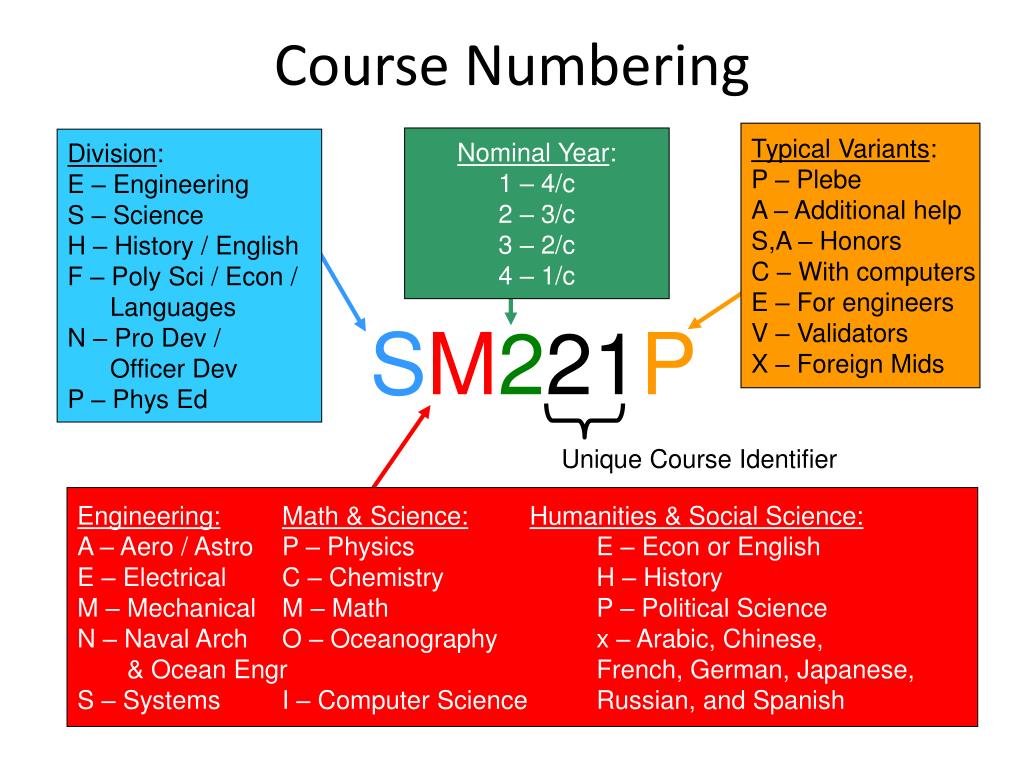
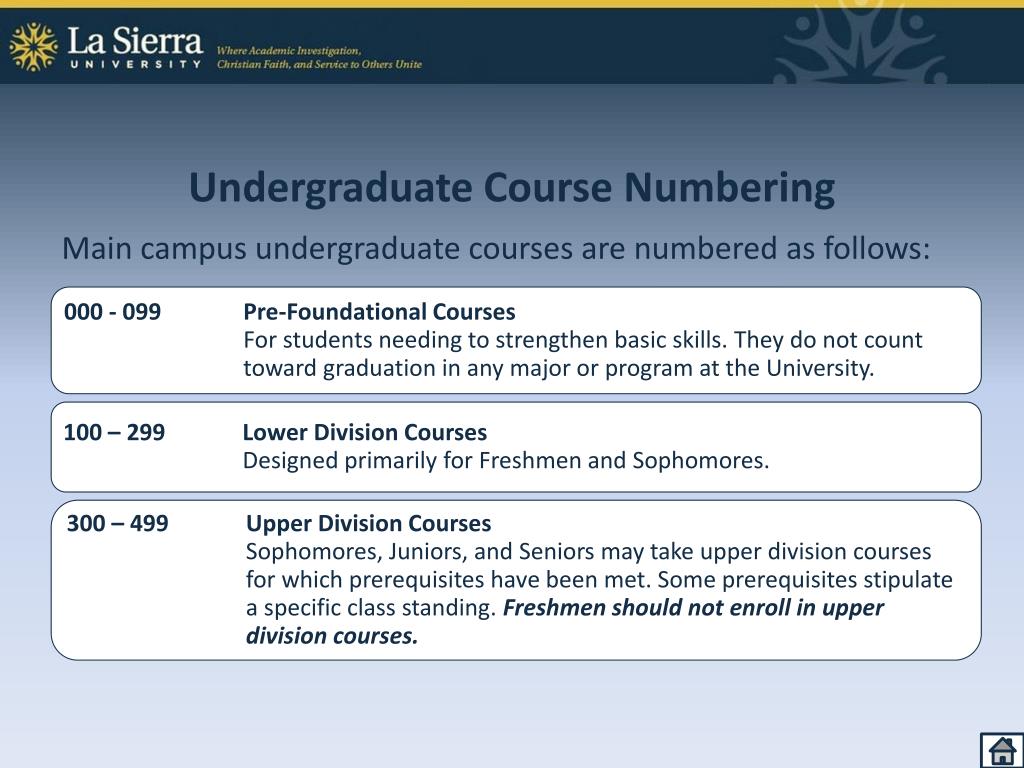
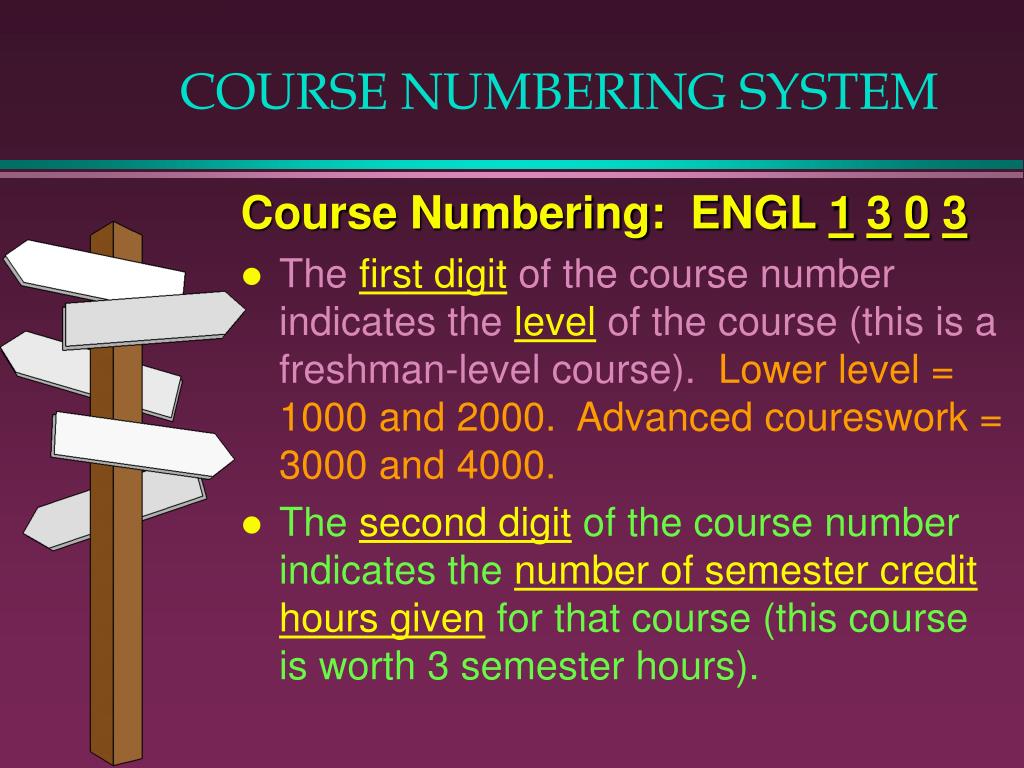
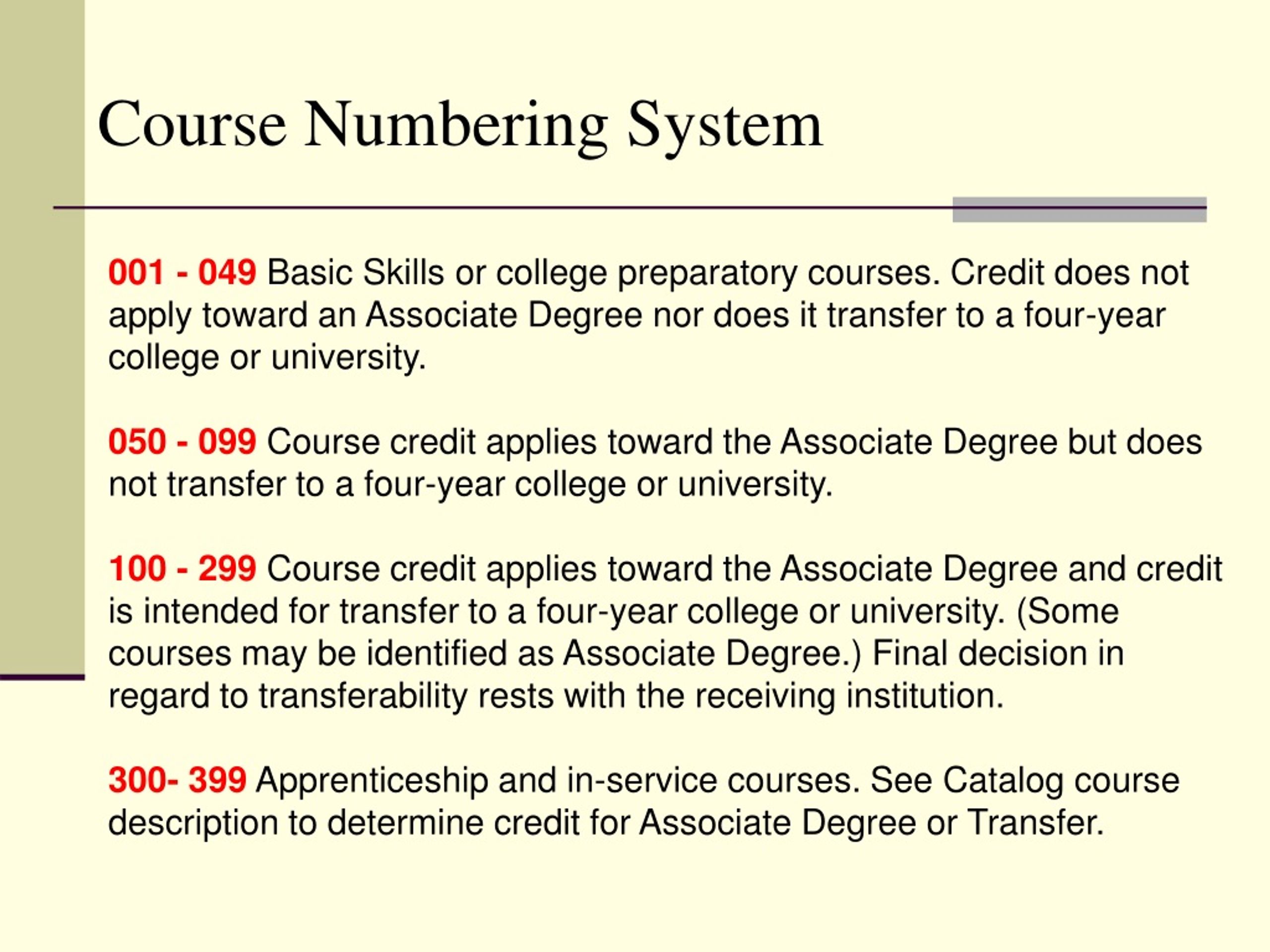
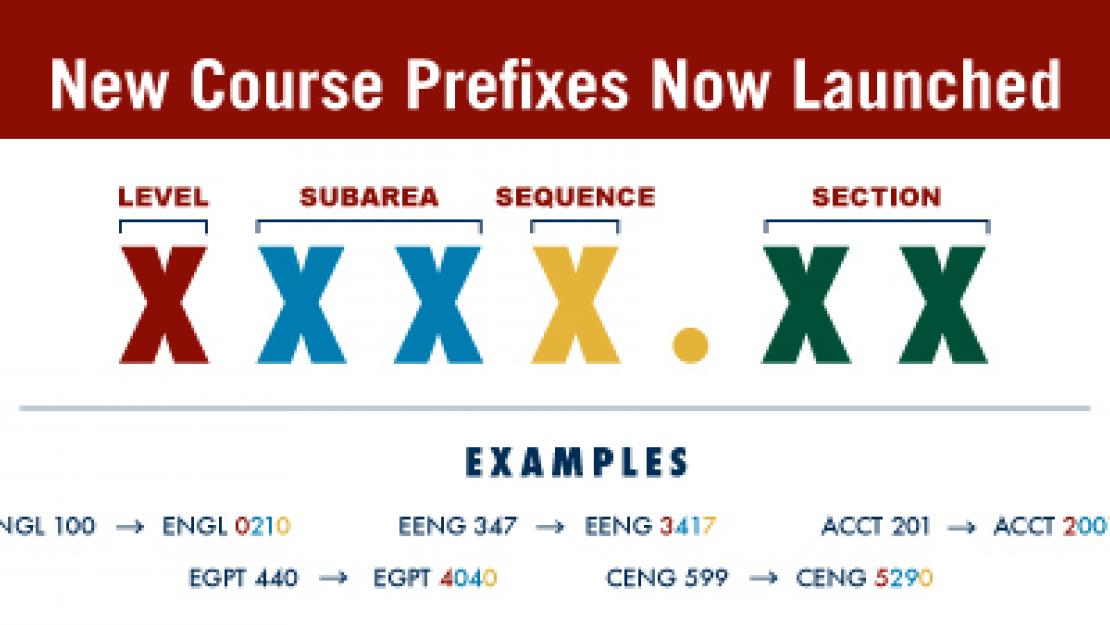
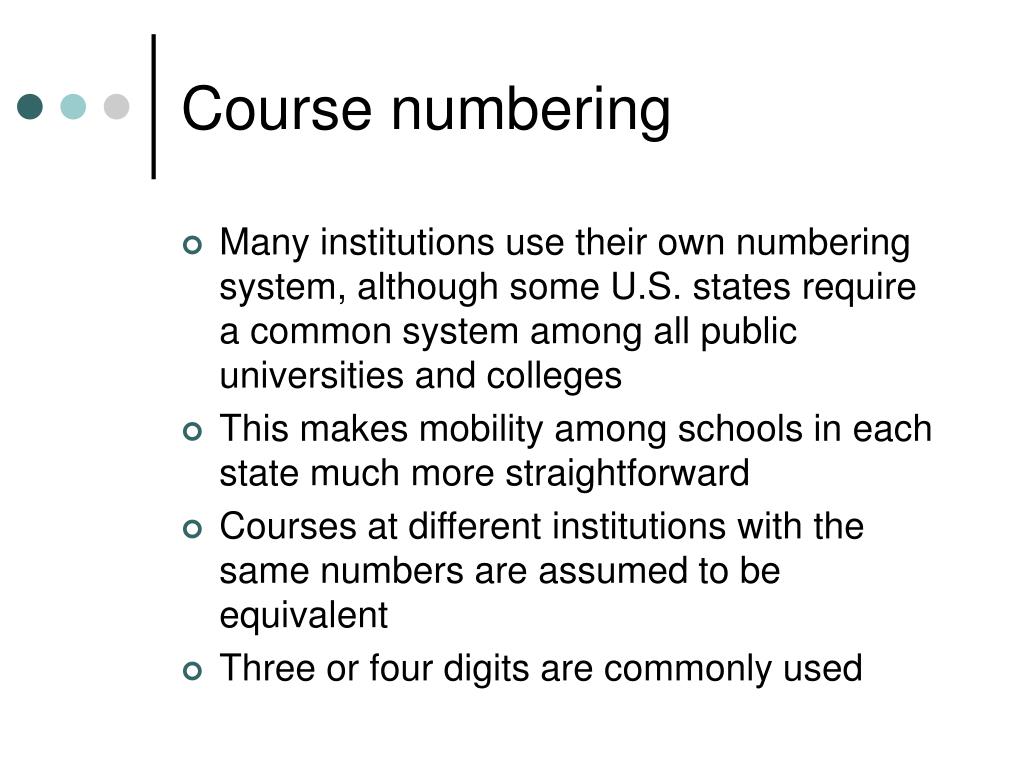
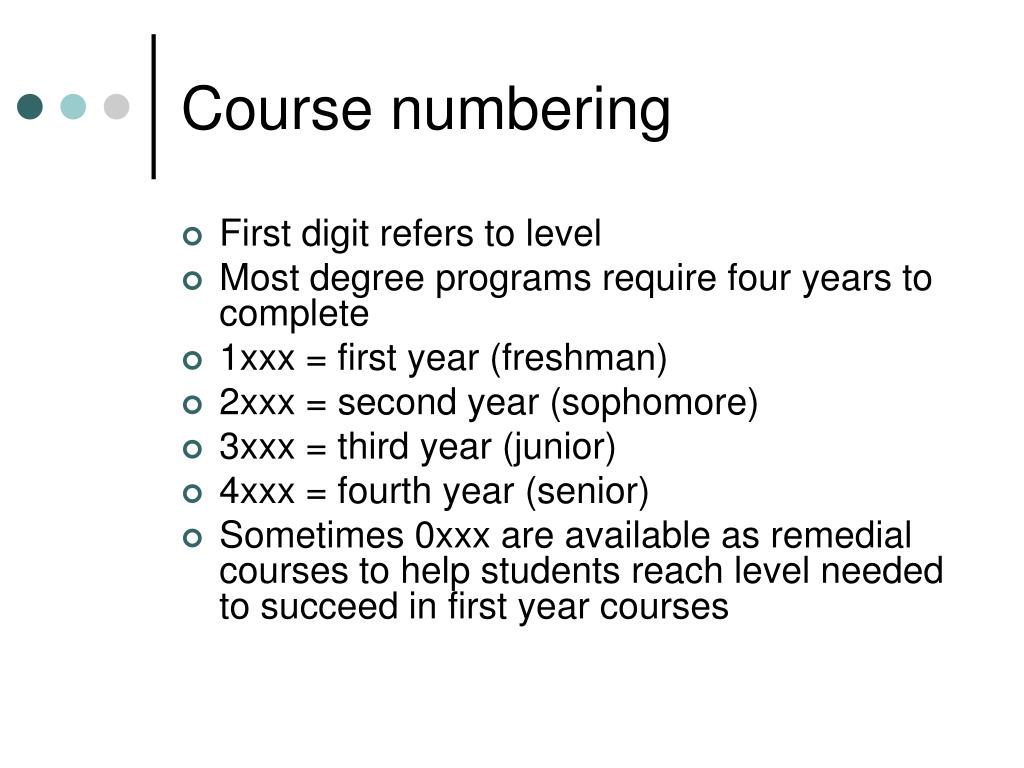
Course Numbering - Courses numbered from 100 to 199 are basic or introductory courses. It’s all part of a new system called common course numbering (ccn). Use the course numbering system to standardize the classes offered by your school. Proposals to develop a statewide common numbering system have been debated for nearly three decades. The first number refers to the department or area of the course; The following resources may be of assistance as you prepare your course requests. Courses are classified in six grades indicated by the first digit of the course number. In order to evaluate whether the course should be graded and the number of credit hours, the university curriculum committee requires a sample course outline for directed studies,. The course numbering system is provided here to help guide the creation and revision of courses and academic programs. (indicating credit status and transfer status) baccalaureate status: In some cases, subcategories are indicated by the second and third digits: A course number is a unique identifier assigned to a specific academic course, which helps students, faculty, and administrators keep track of their academic records. However, something 101 has been used for a time in colloquial english to. Courses numbered from 100 to 199 are basic or introductory courses. Contact us with your questions. Courses are designated by two numbers, separated by a colon. The first number refers to the department or area of the course; It’s all part of a new system called common course numbering (ccn). Course numbers are an indication of the level of difficulty of a course. The following resources may be of assistance as you prepare your course requests. The numbering system is as follows: In order to evaluate whether the course should be graded and the number of credit hours, the university curriculum committee requires a sample course outline for directed. Course numbers are an indication of the level of difficulty of a course. The course numbering system is provided here to help guide the creation and revision. In some cases, subcategories are indicated by the second and third digits: This new system, required by state law (assembly bill 1111), is designed to make it easier for students. View the policies, procedures, and guidelines listed below when developing and revising courses. The course numbering system is provided here to help guide the creation and revision of courses and. To make transferring and course selection easier for students, california community colleges are. This number is usually a combination of letters and numbers that. Courses are designated with a subject code and course number. In order to evaluate whether the course should be graded and the number of credit hours, the university curriculum committee requires a sample course outline for. Courses numbered from 100 to 199 are basic or introductory courses. In order to evaluate whether the course should be graded and the number of credit hours, the university curriculum committee requires a sample course outline for directed. The second number refers to the specific course. Courses are classified in six grades indicated by the first digit of the course. Access the course request system (crs). The course numbering system is provided here to help guide the creation and revision of courses and academic programs. The numbering system is as follows: In some cases, subcategories are indicated by the second and third digits: The texas common course numbering system (tccns) has been designed for the purpose of aiding students in. A course number is a unique identifier assigned to a specific academic course, which helps students, faculty, and administrators keep track of their academic records. In some cases, subcategories are indicated by the second and third digits: These policies are linked to the relevant sections of the course request instructions, where. Thanks to the common course numbering system, courses with. The number assigned to a course generally denotes its level and may also indicate a course type. In some cases, subcategories are indicated by the second and third digits: The second number refers to the specific course. (indicating credit status and transfer status) baccalaureate status: Courses are designated with a subject code and course number. (indicating credit status and transfer status) baccalaureate status: These policies are linked to the relevant sections of the course request instructions, where. The first number refers to the department or area of the course; Thanks to the common course numbering system, courses with similar content will now share the same course number, subject prefix, and title across all community colleges,. View the policies, procedures, and guidelines listed below when developing and revising courses. The course numbering system is provided here to help guide the creation and revision of courses and academic programs. However, something 101 has been used for a time in colloquial english to. Mostly freshmen will take these. Contact us with your questions. A course number is a unique identifier assigned to a specific academic course, which helps students, faculty, and administrators keep track of their academic records. This number is usually a combination of letters and numbers that. View the policies, procedures, and guidelines listed below when developing and revising courses. Courses are classified in six grades indicated by the first digit. The first number refers to the department or area of the course; The following resources may be of assistance as you prepare your course requests. A course number is a unique identifier assigned to a specific academic course, which helps students, faculty, and administrators keep track of their academic records. The second number refers to the specific course. Grades for these courses are. Access the course request system (crs). Each course bears a distinguishing number for identification and indication of its academic level. (indicating credit status and transfer status) baccalaureate status: For most schools, the numbers range. In order to evaluate whether the course should be graded and the number of credit hours, the university curriculum committee requires a sample course outline for directed studies,. The only real rule is that if a course has a certain number, no other course will have that number. These policies are linked to the relevant sections of the course request instructions, where. Courses are designated by two numbers, separated by a colon. The texas common course numbering system (tccns) has been designed for the purpose of aiding students in the transfer of general academic courses between colleges and. View the policies, procedures, and guidelines listed below when developing and revising courses. To make transferring and course selection easier for students, california community colleges are.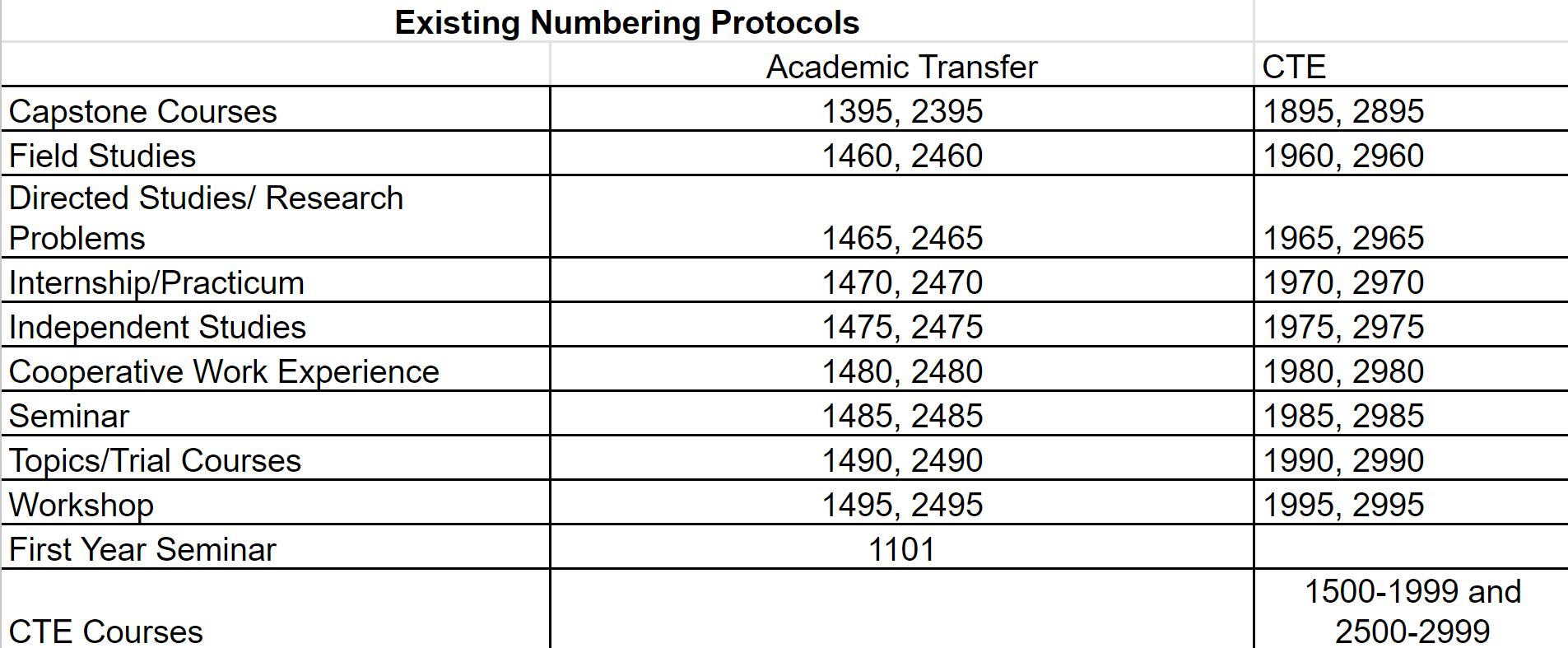
Common Course Numbering System
PPT Academic Counseling and PreRegistration Session PowerPoint
PPT Academic Advising Materials for Quarterly Advising PowerPoint
PPT USD New Student Orientation PowerPoint Presentation, free

Discussion. ppt download
PPT SDCCD Instructional Services PowerPoint Presentation, free
coursenumbering.jpg

PPT CHARTING YOUR COURSE PowerPoint Presentation, free download ID
PPT Course descriptions PowerPoint Presentation, free download ID
PPT Course descriptions PowerPoint Presentation, free download ID
A Shadow System Already Tries To Identify Similar Courses At Different.
Courses Numbered From 100 To 199 Are Basic Or Introductory Courses.
Courses Are Designated With A Subject Code And Course Number.
The Number Assigned To A Course Generally Denotes Its Level And May Also Indicate A Course Type.
Related Post: