
Course Of Performance
Course Of Performance - The intent of the parties in regard to the meaning of the agreement. Course of performance refers to the systematic and uniform conduct in which parties engage after they enter into a contract. (a) a course of performance is a sequence of conduct between the parties to a particular transaction that exists if: Focusing on team dynamics, trust, and. Staying on course in private equity april 2025 6 minute read alisa amarosa wood. Course of performance means, in respect only of a contract which involves repeated occasions for performance by either party with knowledge of the nature of the performance and opportunity. Course of performance refers to the systematic and uniform conduct in which parties engage after they enter into a contract. Course of dealing refers to prior conduct between parties that establishes a shared. In this legal update, we explain the scope of the “course of performance” interpretation principle, how it could impact financing facilities, and considerations for lenders. The intent of the parties in regard to the meaning of the agreement. Course of dealing refers to prior conduct between parties that establishes a shared. The intent of the parties in regard to the meaning of the agreement. The phrase ‘course of performance’ refers to the way the parties have acted in performance of the particular contract in question. This is very much in line with the. The intent of the parties in regard to the meaning of the agreement. Course of performance is a sequence of conduct between two parties with respect to a particular transaction. Learn how to create a performance improvement plan (pip). Course of performance refers to the systematic and uniform conduct in which parties engage after they enter into a contract. It is the systematic and uniform conduct in which parties. The meaning of course of performance is the conduct of parties during a business deal requiring repeated performances that creates an understanding between the. Course of performance means, in respect only of a contract which involves repeated occasions for performance by either party with knowledge of the nature of the performance and opportunity. Course of performance is about how parties act under a specific contract, while course of dealing refers to how they have acted in previous contracts with each other. A course of. Learn how a course of performance is relevant to interpreting the parties' agreement, and how it can be modified or. (a) a course of performance is a sequence of conduct between the parties to a particular transaction that. Learn the definition and legal implications of course of performance in contract law, according to the uniform commercial code. Find out how. (1) the agreement of the parties with respect to the transaction. Course of dealing and course of performance are tools courts use to interpret contracts. Course of performance refers to the systematic and uniform conduct in which parties engage after they enter into a contract. The meaning of course of performance is the conduct of parties during a business deal. The meaning of course of performance is the conduct of parties during a business deal requiring repeated performances that creates an understanding between the. The intent of the parties in regard to the meaning of the agreement. Learn the definition and legal implications of course of performance in contract law, according to the uniform commercial code. This is very much. (a) a course of performance is a sequence of conduct between the parties to a particular transaction that exists if: Course of performance, course of dealing, and usage of trade. This guide with examples covers the steps to support employee growth and boost performance. Learn the definition and legal implications of course of performance in contract law, according to the. In this legal update, we explain the scope of the “course of performance” interpretation principle, how it could impact financing facilities, and considerations for lenders. Course of performance, course of dealing, and usage of trade. The intent of the parties in regard to the meaning of the agreement. This is very much in line with the. This guide with examples. (1) the agreement of the parties with respect to the transaction. It is the systematic and uniform conduct in which parties. A course of performance is a sequence of conduct between the parties to a transaction that exists if they accept or acquiesce in each other's performance without objection. Course of performance refers to the systematic and uniform conduct in. Course of performance refers to the systematic and uniform conduct in which parties engage after they enter into a contract. Staying on course in private equity april 2025 6 minute read alisa amarosa wood. The meaning of course of performance is the conduct of parties during a business deal requiring repeated performances that creates an understanding between the. This guide. In this legal update, we explain the scope of the “course of performance” interpretation principle, how it could impact financing facilities, and considerations for lenders. Course of performance is about how parties act under a specific contract, while course of dealing refers to how they have acted in previous contracts with each other. It is the series of actions that. A course of performance is a sequence of conduct between the parties to a transaction that exists if they accept or acquiesce in each other's performance without objection. This is very much in line with the. It is the systematic and uniform conduct in which parties. Find out how a course of performance can modify, waive, or. (a) a course. Course of performance refers to the systematic and uniform conduct in which parties engage after they enter into a contract. Course of performance is a sequence of conduct between two parties with respect to a particular transaction. Course of dealing and course of performance are tools courts use to interpret contracts. Course of performance refers to the systematic and uniform conduct in which parties engage after they enter into a contract. Find out how a course of performance can modify, waive, or. (1) the agreement of the parties with respect to the transaction. Course of performance refers to the systematic and uniform conduct in which parties engage after they enter into a contract. This is very much in line with the. A legal principle exists known as “course of performance,” which is often cited when questions over ambiguous contractual terms arise. Staying on course in private equity april 2025 6 minute read alisa amarosa wood. The intent of the parties in regard to the meaning of the agreement. Course of performance means, in respect only of a contract which involves repeated occasions for performance by either party with knowledge of the nature of the performance and opportunity. (a) a course of performance is a sequence of conduct between the parties to a particular transaction that. Course of performance is about how parties act under a specific contract, while course of dealing refers to how they have acted in previous contracts with each other. The meaning of course of performance is the conduct of parties during a business deal requiring repeated performances that creates an understanding between the. Focusing on team dynamics, trust, and.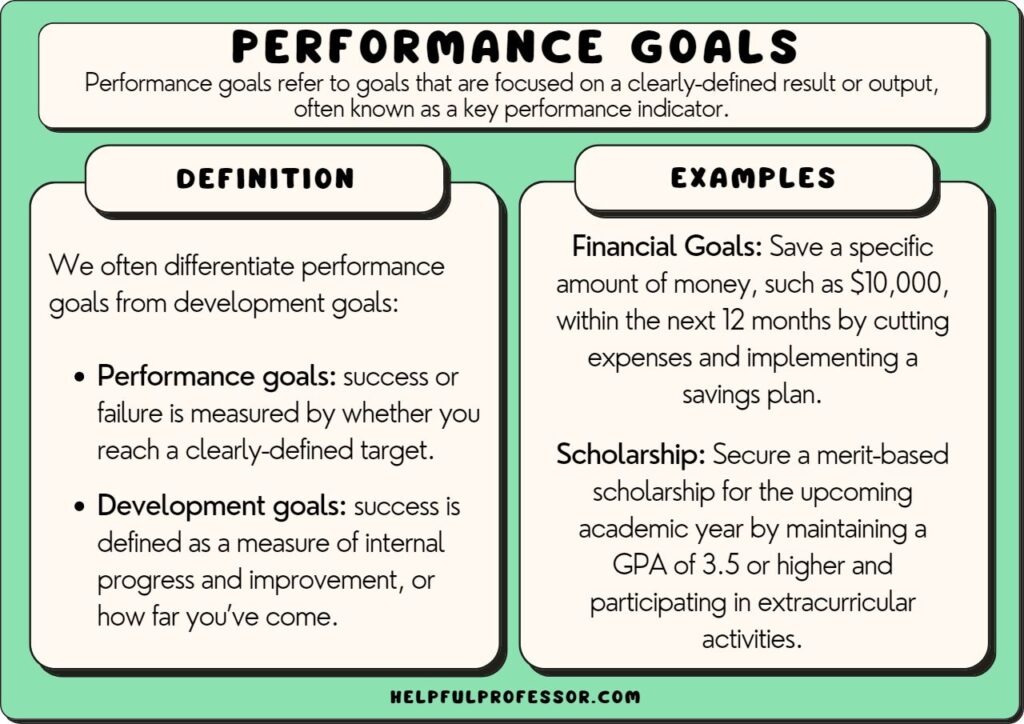
65 Performance Goals Examples (2025)

Performance Appraisal Objectives, Standards, Process Paper Tyari
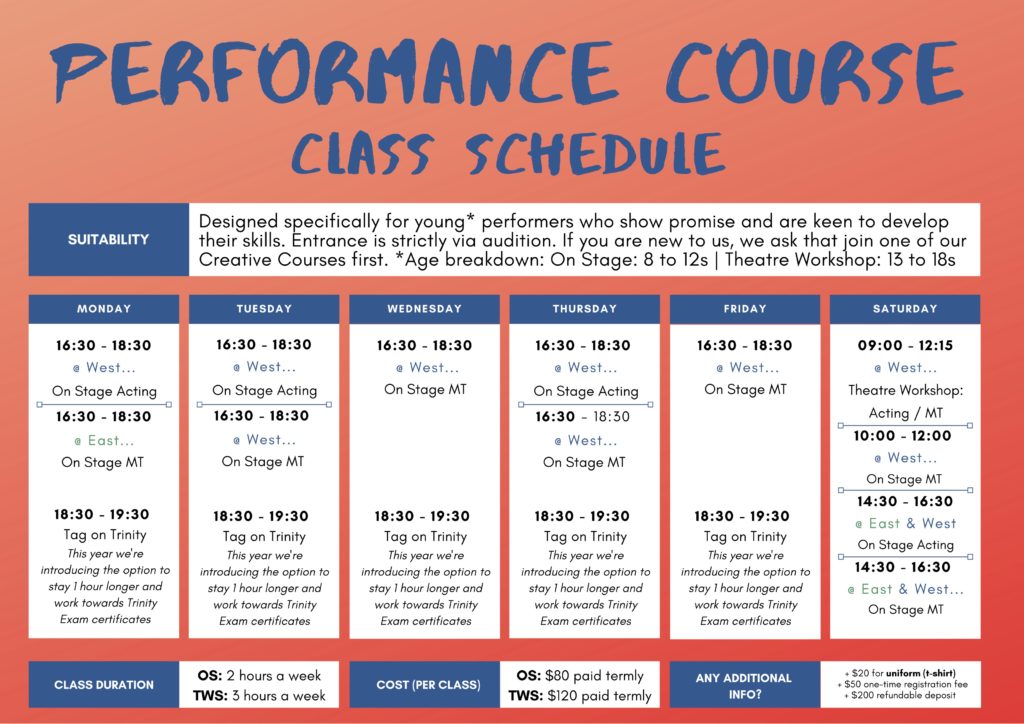
Performance Courses Centre Stage
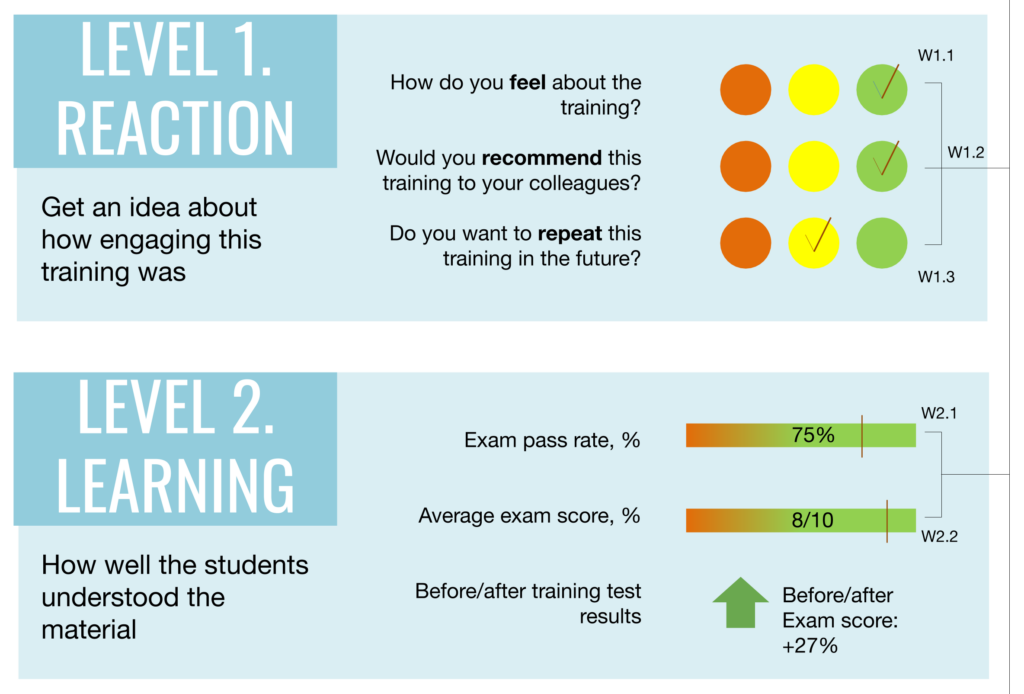
4 Levels of Training KPIs + Balanced Scorecard Example

What is Performance Management Cycle? Stages and Challenges

The course of performance indicators from 2004 to 2008 Download Table

Performance Management Training Course Materials Training Resources

Performance Management Course High Performance Academy

5 stages to consider for effective performance coaching Lifeskills

Strategic Planning and Performance Management Training Courses
In This Legal Update, We Explain The Scope Of The “Course Of Performance” Interpretation Principle, How It Could Impact Financing Facilities, And Considerations For Lenders.
Learn How To Create A Performance Improvement Plan (Pip).
The Phrase ‘Course Of Performance’ Refers To The Way The Parties Have Acted In Performance Of The Particular Contract In Question.
Course Of Dealing Refers To Prior Conduct Between Parties That Establishes A Shared.
Related Post: