
Crash Course Urinary System
Crash Course Urinary System - Influencing your _____ blood cell production and blood pressure.3. Regulate water volume, concentration, and ph levels and infulence your red blood cell production and blood pressure. Study with quizlet and memorize flashcards containing terms like urinary system, kidneys, renal cortex and more. We'll cover how nephrons use glomerular filtration, tubular reabsorption, and tubular secretion to reabsorb water and nutrients back into the blood, and make urine with the leftovers. Relating to or denoting both the urinary and genital organs. Start studying urinary system, crash course a&p part 2 #39. Crash course anatomy & physiology #38 muscle tissues and sliding filament model the real reason why. In this episode of crash course anatomy & physiology, hank explains how the urinary system regulates the production of urine, by maintaining a study glomerular flow rate. Find them on the free crash course app! He’ll also cover the anatomy of storing and excreting urine — from the ureters to the urethra — and the nervous system’s role in controlling the act of urination. Regulating your _____ volume, salt concentrations, and ph levels. Influencing your _____ blood cell production and blood pressure. Today we're talking about the anatomy of your urinary system, and how your kidneys filter metabolic waste and balance salt and water concentrations in the blood. Learn vocabulary, terms, and more with flashcards, games, and other study tools. We'll cover how nephrons use glomerular filtration, tubular reabsorption, and tubular secretion to reabsorb water and nutrients back into the blood, and make urine with the leftovers. Crash course is a simple concise summary of the basics of renal physiology and pharmacology. Find them on the free crash course app! Today we're talking about the anatomy of your urinary system, and how your kidneys filter metabolic waste and balance salt and water concentrations in the blood. Relating to or denoting both the urinary and genital organs. Your urinary system, especially your kidneys, helps maintain homeostasis by:1. Find them on the free crash course app! Your urinary system, especially your kidneys, helps maintain homeostasis by:1. Crash course is on patreon! He’ll also cover the anatomy of storing and excreting urine — from the ureters to the urethra — and the nervous system’s role in controlling the act of urination. _____ toxic leftovers out of your blood and. Today we're talking about the anatomy of your urinary system, and how your kidneys filter metabolic waste and balance salt and water concentrations in the blood. Crash course anatomy & physiology #38 muscle tissues and sliding filament model the real reason why. Relating to or denoting both the urinary and genital organs. We'll cover how nephrons use glomerular filtration, tubular. Learn vocabulary, terms, and more with flashcards, games, and other study tools. We'll cover how nephrons use glomerular filtration, tubular reabsorption, and tubular secretion to reabsorb water and nutrients back into the blood, and make urine with the leftovers. What happens when the parasympathetic nervous system says its time to pee? Influencing your _____ blood cell production and blood pressure.. Learn vocabulary, terms, and more with flashcards, games, and other study tools. Save time and be assured you have all the core information you need in one place to excel on your course and achieve exam success. In this episode of crash course anatomy & physiology, hank explains how the urinary system regulates the production of urine, by maintaining a. Water passively flows out of filtrate in this structure because of salty interstitial fluid. In this episode of crash course anatomy & physiology, hank explains how the urinary system regulates the production of urine, by maintaining a study glomerular flow rate. Relating to or denoting both the urinary and genital organs. We'll cover how nephrons use glomerular filtration, tubular reabsorption,. We made flashcards to help you review the content in this episode! He’ll also cover the anatomy of storing and excreting urine — from the ureters to the urethra — and the nervous system’s role in controlling the act of urination. Relating to or denoting both the urinary and genital organs. Regulating your _____ volume, salt concentrations, and ph levels.. Crash course anatomy & physiology #38 muscle tissues and sliding filament model the real reason why. Study with quizlet and memorize flashcards containing terms like urinary system, kidneys, renal cortex and more. We made flashcards to help you review the content in this episode! We'll cover how nephrons use glomerular filtration, tubular reabsorption, and tubular secretion to reabsorb water and. Your urinary system, especially your kidneys, helps maintain homeostasis by:1. Today hank explains how the urinary system regulates the production of urine, by maintaining a study glomerular flow rate. We'll cover how nephrons use glomerular filtration, tubular reabsorption, and tubular secretion to reabsorb water and nutrients back into the blood, and make urine with the leftovers. Today we're talking about. Completely revised throughout, the new edition of crash. Today we're talking about the anatomy of your urinary system, and how your kidneys filter metabolic waste and balance salt and water concentrations in the blood. Today hank explains how the urinary system regulates the production of urine, by maintaining a study glomerular flow rate. Relating to or denoting both the urinary. Join thousands of students who trust us to help them ace their exams! Relating to or denoting both the urinary and genital organs. _____ toxic leftovers out of your blood and ferrying it out of your body. _____ toxic leftovers out of your blood and ferrying it out of your body. What happens when the parasympathetic nervous system says its. Relating to or denoting both the urinary and genital organs. Today we're talking about the anatomy of your urinary system, and how your kidneys filter metabolic waste and balance salt and water concentrations in the blood. Your urinary system, especially your kidneys, helps maintain homeostasis by:1. Relating to or denoting both the urinary and genital organs. Influencing your _____ blood cell production and blood pressure. Study with quizlet and memorize flashcards containing terms like urinary system, kidneys, renal cortex and more. In this episode of crash course anatomy & physiology, hank explains how the urinary system regulates the production of urine, by maintaining a study glomerular flow rate. Regulating your _____ volume, salt concentrations, and ph levels. Find them on the free crash course app! Be the first to ask a question about this topic. Start studying urinary system, crash course a&p part 2 #39. Water passively flows out of filtrate in this structure because of salty interstitial fluid. It provides an excellent basis for last minute revision for the renal compnent of the medical curriculum or bmedsci. Regulating your _____ volume, salt concentrations, and ph levels.2. We'll cover how nephrons use glomerular filtration, tubular reabsorption, and tubular secretion to reabsorb water and nutrients back into the blood, and make urine with the leftovers. Influencing your _____ blood cell production and blood pressure.3.
Crash Course Renal and Urinary System, 4e Jones MBChB (Hons), Timothy

Urinary System (Part 1) Crash Course Anatomy & Physiology norcet6

SOLUTION Urinary system part 2 crash course anatomy physiology Studypool
Crash Course Renal and Urinary Systems 4E (2012) All Chapters Instant

Renal and Urinary Systems (Crash Course) 9780723432500 Medicine
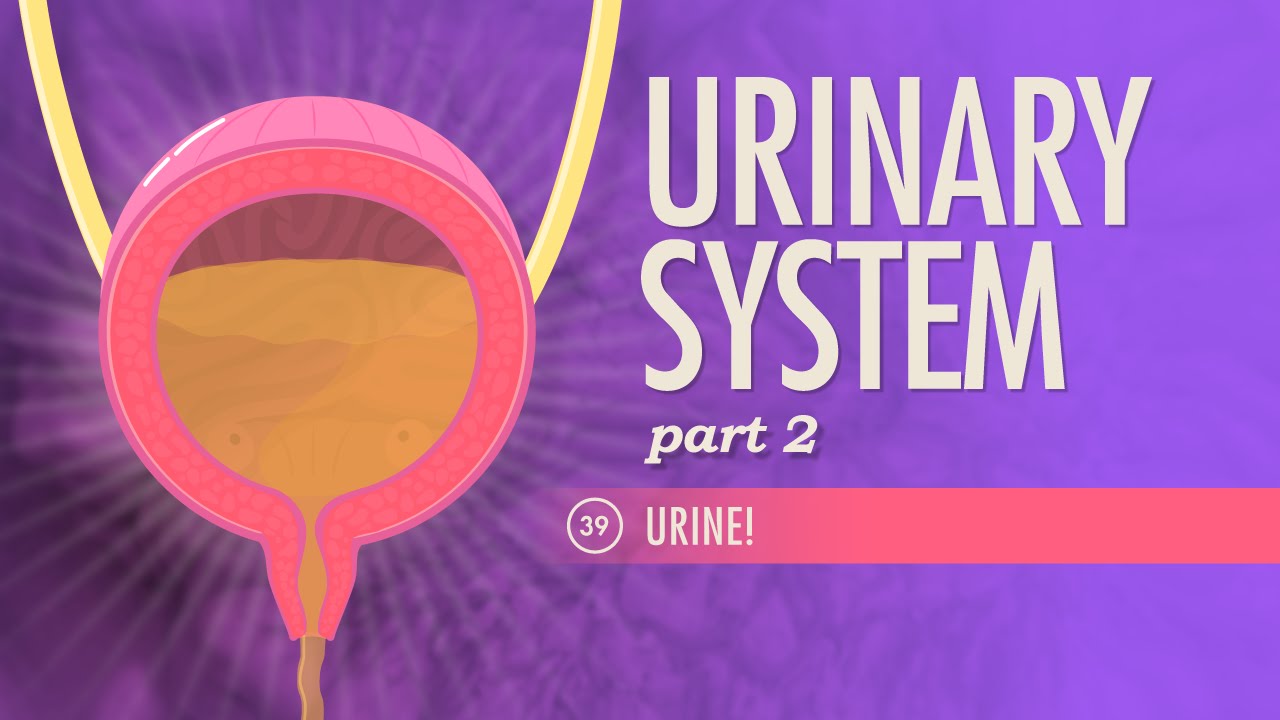
Urinary System, Part 2 Crash Course Anatomy & Physiology 39 YouTube
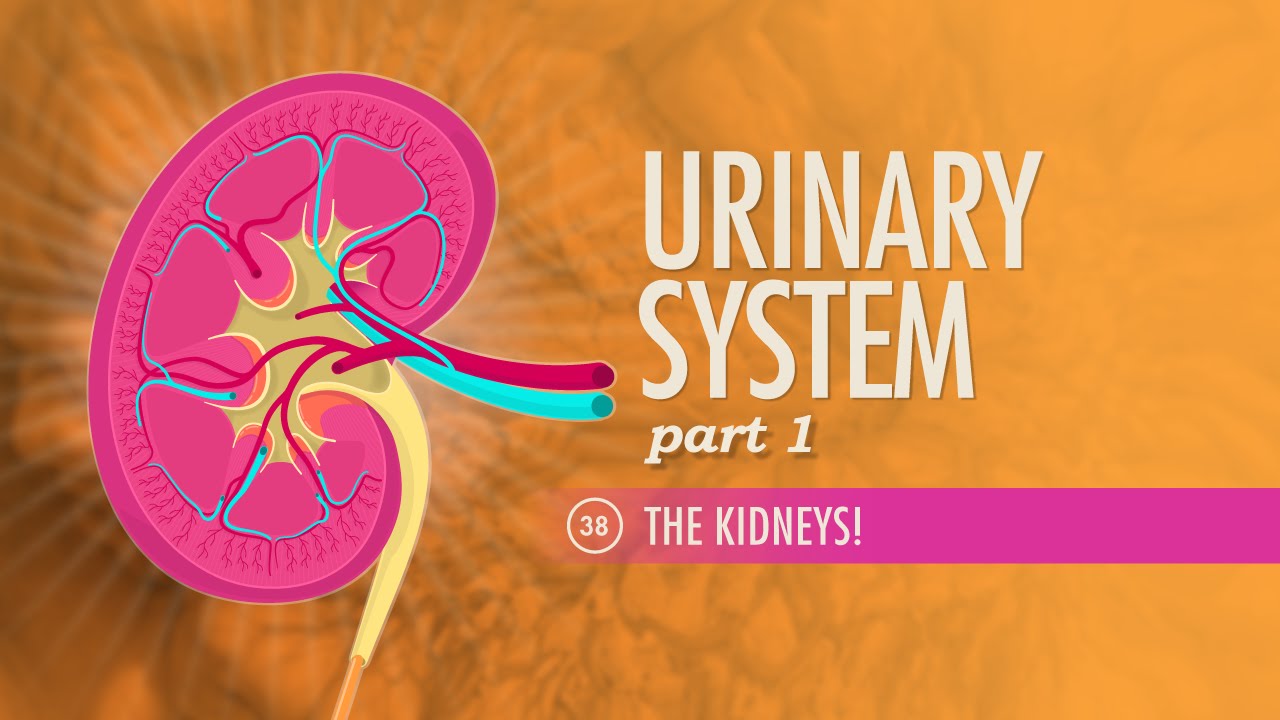
Urinary System, Part 1 Crash Course Anatomy & Physiology 38 YouTube

SOLUTION The urinary system crash course Studypool

Crash Course Renal and Urinary System Updated Print + eBook edition
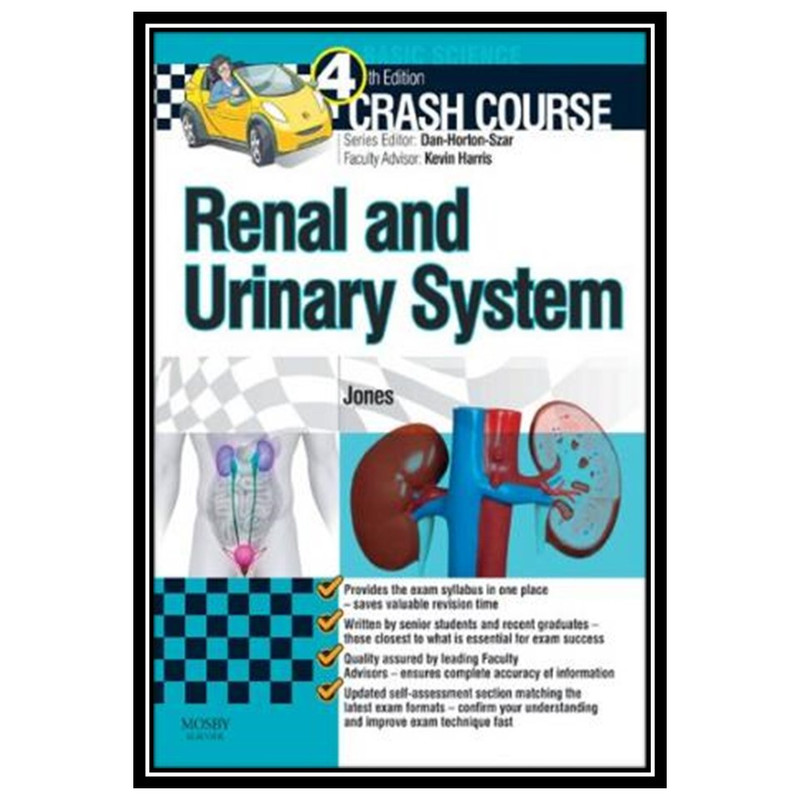
قیمت و خرید کتاب Crash Course Renal and Urinary System اثر جمعی از
Learn Vocabulary, Terms, And More With Flashcards, Games, And Other Study Tools.
Today We're Talking About The Anatomy Of Your Urinary System, And How Your Kidneys Filter Metabolic Waste And Balance Salt And Water Concentrations In The Blood.
We'll Cover How Nephrons Use Glomerular Filtration, Tubular Reabsorption, And Tubular Secretion To Reabsorb Water And Nutrients Back Into The Blood, And Make Urine With The Leftovers.
We'll Cover How Nephrons Use Glomerular Filtration, Tubular Reabsorption, And Tubular Secretion To Reabsorb Water And Nutrients Back Into The Blood, And Make Urine With The Leftovers.
Related Post:
