
Depth Conversion Course
Depth Conversion Course - Variations in velocity can distort the depth, size, and shape of possible reservoirs. Gain the skills needed for accurate subsurface mapping. Assess the key differences between time and depth migration. Prepare seismic horizon picks, well formation picks and seismic velocity to facilitate depth conversion. Therefore, conversion from time to depth is needed for a clear picture of the prospect and the risks. Depth conversion methods & petrel workflows © 2016 alan atkinson, aa geophysical ltd 6 learning outcomes attendees will be taught how to: Set up depth conversion work flows appropriate for the data availability and. Perform basic and advanced depth conversions of time data with uncertainty analysis. This is done through the use of simple. Master time to depth conversion and velocity modeling with our comprehensive course. This course discusses rock properties affecting velocity data and presents time depth conversion methods detailing the normalized interval velocity technique. Perform basic and advanced depth conversions of time data with uncertainty analysis. Set up depth conversion work flows appropriate for the data availability and. Gain the skills needed for accurate subsurface mapping. Master time to depth conversion and velocity modeling with our comprehensive course. Therefore, conversion from time to depth is needed for a clear picture of the prospect and the risks. Accuracies for relative structure, well prognoses,. This gives you the understanding and skills needed to confidently: Accuracies for relative structure, well prognoses,. Skills needed to convert time to depth; Gain the skills needed for accurate subsurface mapping. Perform basic and advanced depth conversions of time data with uncertainty analysis. Therefore, conversion from time to depth is needed for a clear picture of the prospect and the risks. Accuracies for relative structure, well prognoses,. Prepare seismic horizon picks, well formation picks and seismic velocity to facilitate depth conversion. The first part of the course focuses on the fundamentals of depth. Master time to depth conversion and velocity modeling with our comprehensive course. • review velocity data to determine best. Training course delivering confidence in depth alan atkinson’s established depth conversion methods & pitfalls class gives you the understanding and skills needed to confidently •. The different types of. • review velocity data to determine best. This gives you the understanding and skills needed to confidently: Prepare seismic horizon picks, well formation picks and seismic velocity to facilitate depth conversion. Factors that can affect depth conversion; Depth conversion methods & pitfalls training course delivering confidence in depth alan atkinson’s established depth conversion methods & pitfalls class gives you the. Gain the skills needed for accurate subsurface mapping. The different types of velocities used to convert to depth; Training course delivering confidence in depth alan atkinson’s established depth conversion methods & pitfalls class gives you the understanding and skills needed to confidently •. • review velocity data to determine best. Therefore, conversion from time to depth is needed for a. Set up depth conversion work flows appropriate for the data availability and. Prepare seismic horizon picks, well formation picks and seismic velocity to facilitate depth conversion. This course discusses rock properties affecting velocity data and presents time depth conversion methods detailing the normalized interval velocity technique. Therefore, conversion from time to depth is needed for a clear picture of the. Depth conversion methods & pitfalls training course delivering confidence in depth alan atkinson’s established depth conversion methods & pitfalls class gives you the understanding. Accuracies for relative structure, well prognoses,. This is done through the use of simple. Training course delivering confidence in depth alan atkinson’s established depth conversion methods & pitfalls class gives you the understanding and skills needed. Factors that can affect depth conversion; The different types of velocities used to convert to depth; This is done through the use of simple. Assess the key differences between time and depth migration. Accuracies for relative structure, well prognoses,. Perform basic and advanced depth conversions of time data with uncertainty analysis. This course discusses rock properties affecting velocity data and presents time depth conversion methods detailing the normalized interval velocity technique. Master time to depth conversion and velocity modeling with our comprehensive course. Therefore, conversion from time to depth is needed for a clear picture of the prospect and. Prepare seismic horizon picks, well formation picks and seismic velocity to facilitate depth conversion. Depth conversion methods & pitfalls training course delivering confidence in depth alan atkinson’s established depth conversion methods & pitfalls class gives you the understanding. Assess the key differences between time and depth migration. The first part of the course focuses on the fundamentals of depth. Differentiate. Prepare seismic horizon picks, well formation picks and seismic velocity to facilitate depth conversion. Accuracies for relative structure, well prognoses,. This is done through the use of simple. Differentiate between ray and wave. Master time to depth conversion and velocity modeling with our comprehensive course. Training course delivering confidence in depth alan atkinson’s established depth conversion methods & pitfalls class gives you the understanding and skills needed to confidently •. Depth conversion methods & pitfalls training course delivering confidence in depth alan atkinson’s established depth conversion methods & pitfalls class gives you the understanding. Depth conversion methods & petrel workflows © 2016 alan atkinson, aa geophysical ltd 6 learning outcomes attendees will be taught how to: Differentiate between ray and wave. Skills needed to convert time to depth; The first part of the course focuses on the fundamentals of depth. The different types of velocities used to convert to depth; Accuracies for relative structure, well prognoses,. Master time to depth conversion and velocity modeling with our comprehensive course. Variations in velocity can distort the depth, size, and shape of possible reservoirs. The bulk of the work has been. Factors that can affect depth conversion; Accuracies for relative structure, well prognoses,. This gives you the understanding and skills needed to confidently: Perform basic and advanced depth conversions of time data with uncertainty analysis. This is done through the use of simple.
(PDF) Depth Conversion Methods & Petrel · PDF fileDepth Conversion
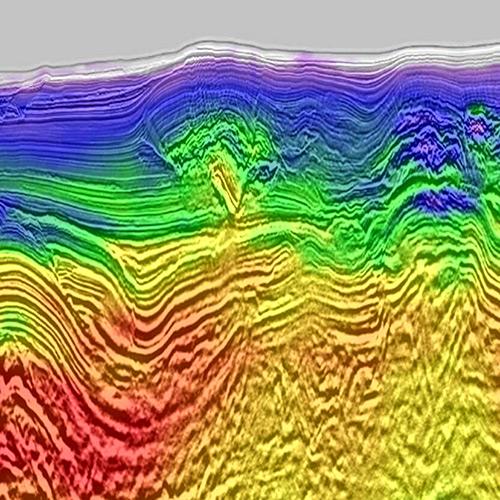
GeoModes Seissmic Velocities and Depth Conversion

Depth Conversion Methods and Pitfalls Rockflow

Depth maps for the four cases of depth conversion. Download
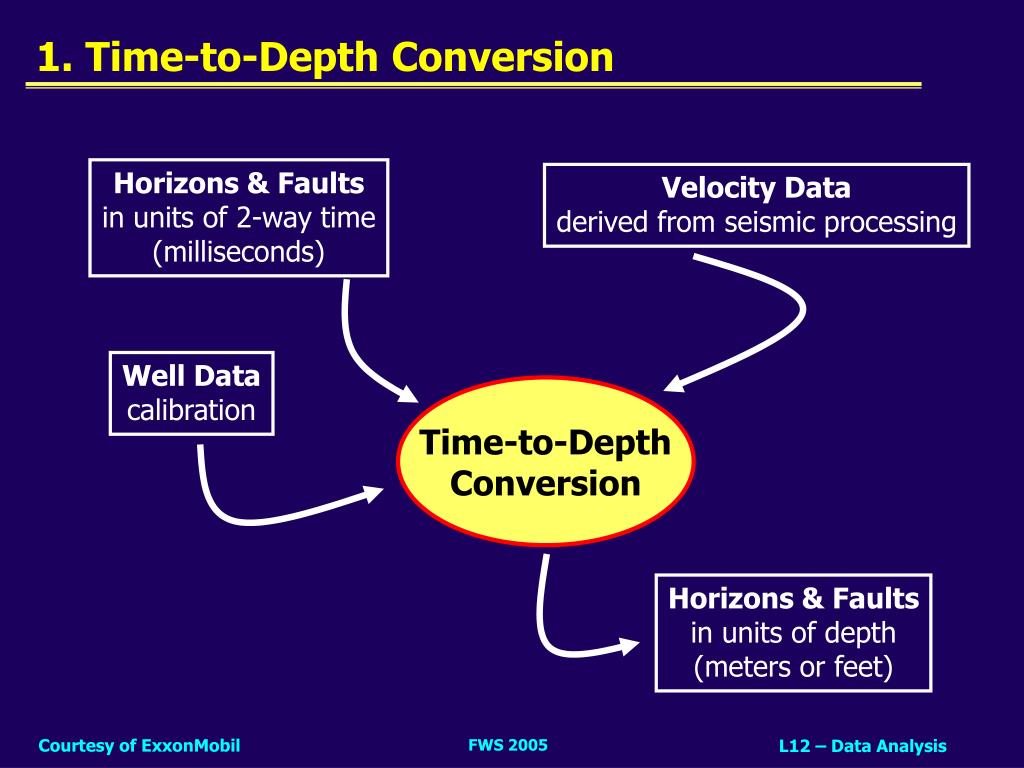
PPT Lecture 12 PowerPoint Presentation, free download ID5304247

(PDF) Depth Conversion Methods & Petrel Workflows · Depth Conversion

Introduction to TimetoDepth Conversion Principles of Seismic
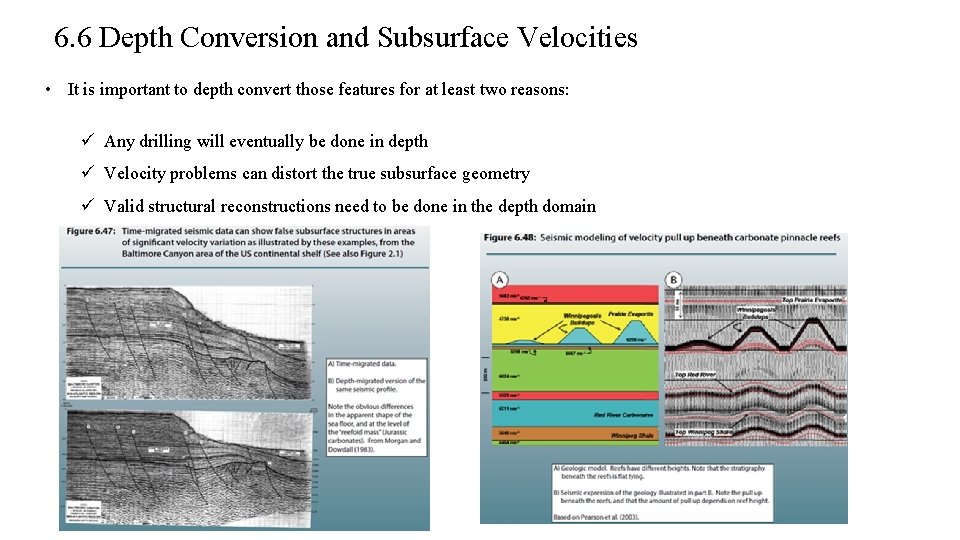
Chapter 6 Structural Interpretation 2 6 4 Horizon

Depthconversion techniques and challenges in complex subAndean
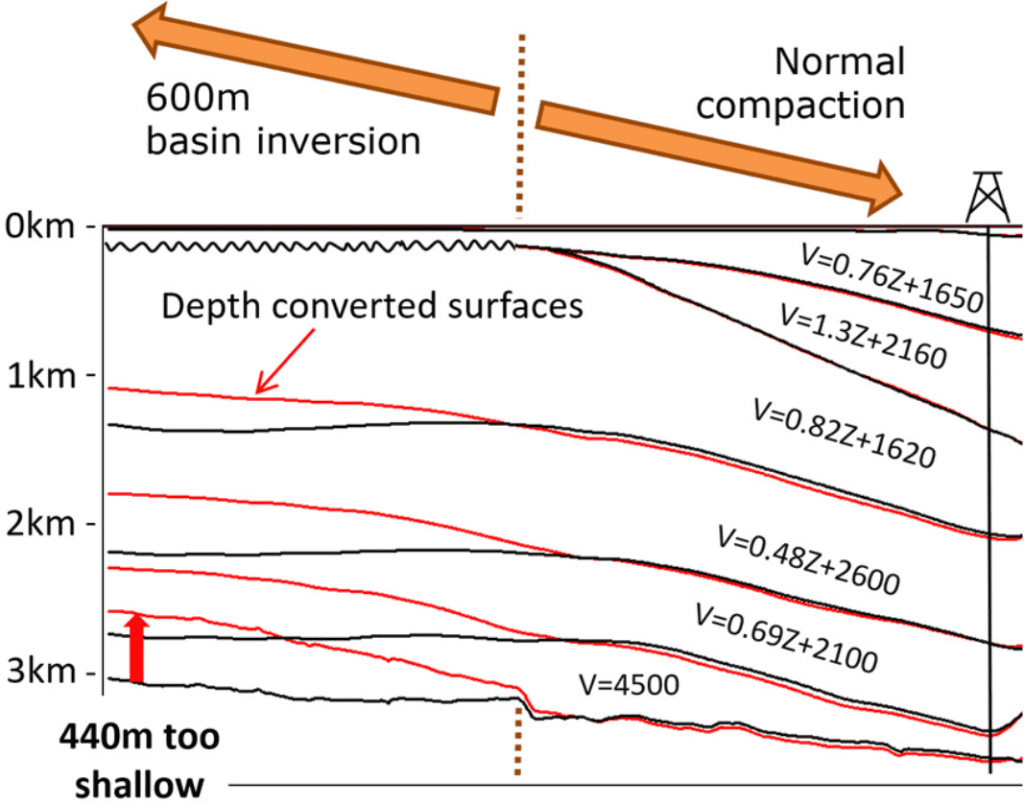
Depth Conversion the geophysical black art? Rockflow
Prepare Seismic Horizon Picks, Well Formation Picks And Seismic Velocity To Facilitate Depth Conversion.
Therefore, Conversion From Time To Depth Is Needed For A Clear Picture Of The Prospect And The Risks.
Naphtho Provides Alan Atkinson’s Established Depth Conversion Methods & Pitfalls 5 Day Classroom Course.
This Course Discusses Rock Properties Affecting Velocity Data And Presents Time Depth Conversion Methods Detailing The Normalized Interval Velocity Technique.
Related Post: