
Disease Course
Disease Course - Newer antimicrobials and treatment strategies for highly resistant infections. If you’re curious about the mysteries of disease, you can expand your medical knowledge and career. Parkinson disease (pd) is a neurodegenerative disorder that affects approximately 1% of those older than 60 years of age. Monocyclic, polycyclic (flares of disease while off treatment), or chronic continuous disease. Browse the latest disease & disorders courses from harvard university. Delay in recognition or undertreatment may. Instead, their course should end with a tapering dosage. This course covers current understanding of, and modern approaches to human disease, emphasizing the molecular and cellular basis of both genetic disease and cancer. Faculty within the division of infectious diseases champion a number of programs and courses specifically for johns hopkins students graduate training programs in clinical investigation. What causes illnesses to arise and spread, and how can we treat and prevent them? Explore the ways in which crispr is disrupting sectors across the economy with harvard vpal. A course of medication is a period of continual treatment with drugs, sometimes with variable dosage and in particular combinations. This course introduces the basics of infectious disease epidemiology and modeling, disease surveillance methods, dynamics of transmission, and assessment of. We’ve selected four disease areas — hiv, malaria, emerging infectious diseases (ebola and zika), and tb — and we will go through each in turn. For instance treatment with some drugs should not end abruptly. Monocyclic, polycyclic (flares of disease while off treatment), or chronic continuous disease. Browse the latest disease & disorders courses from harvard university. Here, we review the progress that has been made in predicting the future for any given patient with inflammatory bowel disease—whether that is the course of disease that they. Patients may follow one of three disease courses: Fundamentals of health and disease (6 weeks) the fundamentals of health and disease course advances student knowledge of physiological, pathophysiological and pharmacological. This course is all about infectious diseases. The 'course of disease' refers to the progression and development of a medical condition over time, including factors influencing its trajectory, such as etiological and risk factors, social. Disease course refers to the progression of a disease over time, including aspects such as disease trajectory, life expectancy, and the terminal nature of the. Disease course refers to the progression of a disease over time, including aspects such as disease trajectory, life expectancy, and the terminal nature of the disease. A course of medication is a period of continual treatment with drugs, sometimes with variable dosage and in particular combinations. Delay in recognition or undertreatment may. Transform you career with coursera's online chronic disease. A disease’s course is a combination of the particular disease, the. This course introduces the basics of infectious disease epidemiology and modeling, disease surveillance methods, dynamics of transmission, and assessment of. Monocyclic, polycyclic (flares of disease while off treatment), or chronic continuous disease. We’ve selected four disease areas — hiv, malaria, emerging infectious diseases (ebola and zika), and tb —. This course introduces the basics of infectious disease epidemiology and modeling, disease surveillance methods, dynamics of transmission, and assessment of. Faculty within the division of infectious diseases champion a number of programs and courses specifically for johns hopkins students graduate training programs in clinical investigation. Newer antimicrobials and treatment strategies for highly resistant infections. Instead, their course should end with. Instead, their course should end with a tapering dosage. Parkinson disease (pd) is a neurodegenerative disorder that affects approximately 1% of those older than 60 years of age. Delay in recognition or undertreatment may. Monocyclic, polycyclic (flares of disease while off treatment), or chronic continuous disease. What causes illnesses to arise and spread, and how can we treat and prevent. If you’re curious about the mysteries of disease, you can expand your medical knowledge and career. Parkinson disease (pd) is a neurodegenerative disorder that affects approximately 1% of those older than 60 years of age. Delay in recognition or undertreatment may. Disease course is the progression of a disease over time and is a key factor in determining an individual’s. If you’re curious about the mysteries of disease, you can expand your medical knowledge and career. This course introduces the basics of infectious disease epidemiology and modeling, disease surveillance methods, dynamics of transmission, and assessment of. In this course, you will learn how diseases like the common flu spread, the mechanisms behind bacterial resistance, the body's defence mechanisms, and the. Here, we review the progress that has been made in predicting the future for any given patient with inflammatory bowel disease—whether that is the course of disease that they. Browse the latest disease & disorders courses from harvard university. Monocyclic, polycyclic (flares of disease while off treatment), or chronic continuous disease. This course covers current understanding of, and modern approaches. A disease’s course is a combination of the particular disease, the. Transform you career with coursera's online infectious disease courses. Browse the latest disease & disorders courses from harvard university. Transform you career with coursera's online chronic disease courses. If you’re curious about the mysteries of disease, you can expand your medical knowledge and career. Instead, their course should end with a tapering dosage. Monocyclic, polycyclic (flares of disease while off treatment), or chronic continuous disease. Newer antimicrobials and treatment strategies for highly resistant infections. Faculty within the division of infectious diseases champion a number of programs and courses specifically for johns hopkins students graduate training programs in clinical investigation. Transform you career with coursera's. Browse the latest diseases courses from harvard university. If you’re curious about the mysteries of disease, you can expand your medical knowledge and career. Newer antimicrobials and treatment strategies for highly resistant infections. Explore the ways in which crispr is disrupting sectors across the economy with harvard vpal. Monocyclic, polycyclic (flares of disease while off treatment), or chronic continuous disease. This course is all about infectious diseases. Delay in recognition or undertreatment may. Patients may follow one of three disease courses: In this course, you will learn how diseases like the common flu spread, the mechanisms behind bacterial resistance, the body's defence mechanisms, and the importance of immunization. Parkinson disease (pd) is a neurodegenerative disorder that affects approximately 1% of those older than 60 years of age. For instance treatment with some drugs should not end abruptly. Disease course refers to the progression of a disease over time, including aspects such as disease trajectory, life expectancy, and the terminal nature of the disease. A course of medication is a period of continual treatment with drugs, sometimes with variable dosage and in particular combinations. Faculty within the division of infectious diseases champion a number of programs and courses specifically for johns hopkins students graduate training programs in clinical investigation. Instead, their course should end with a tapering dosage. This course covers current understanding of, and modern approaches to human disease, emphasizing the molecular and cellular basis of both genetic disease and cancer.
Pathogenesis, disease course, and prognosis of adultonset Still’s

Timeline of the disease course. (A) Previous treatment modalities
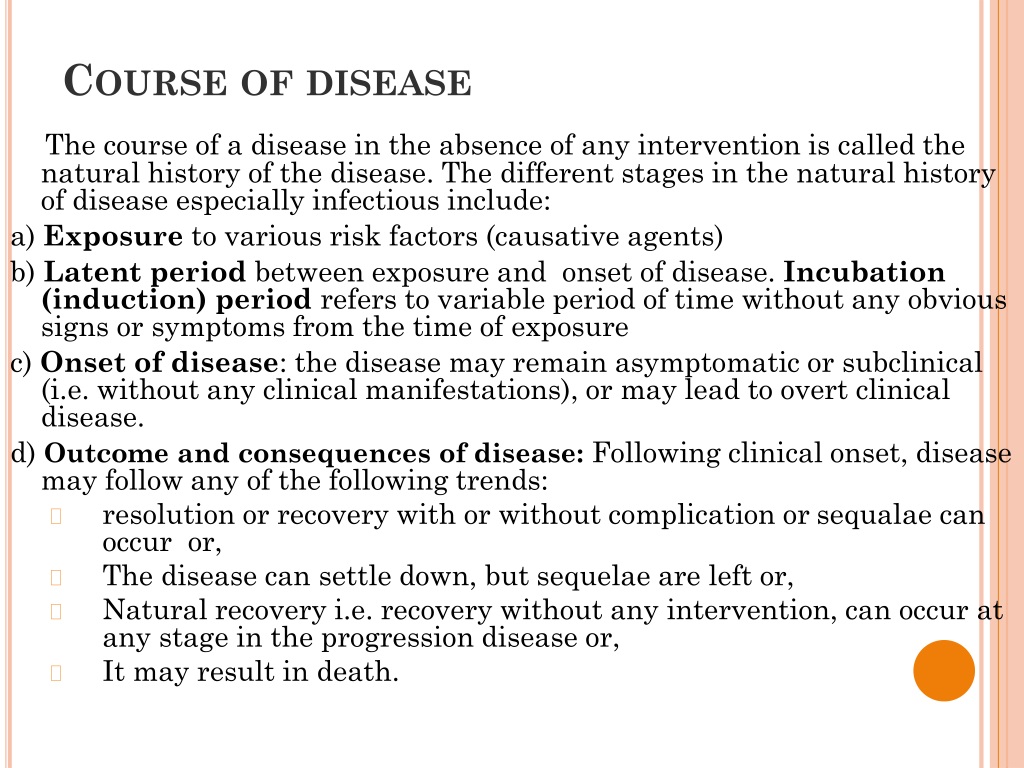
PPT INTRODUCTION TO PATHOLOGY PowerPoint Presentation, free download

Disease timeline of the patient course of illness from the time of

Chronic Disease Course Bundle Dietitian Life

Schematic representation of the clinical course of the disease in our
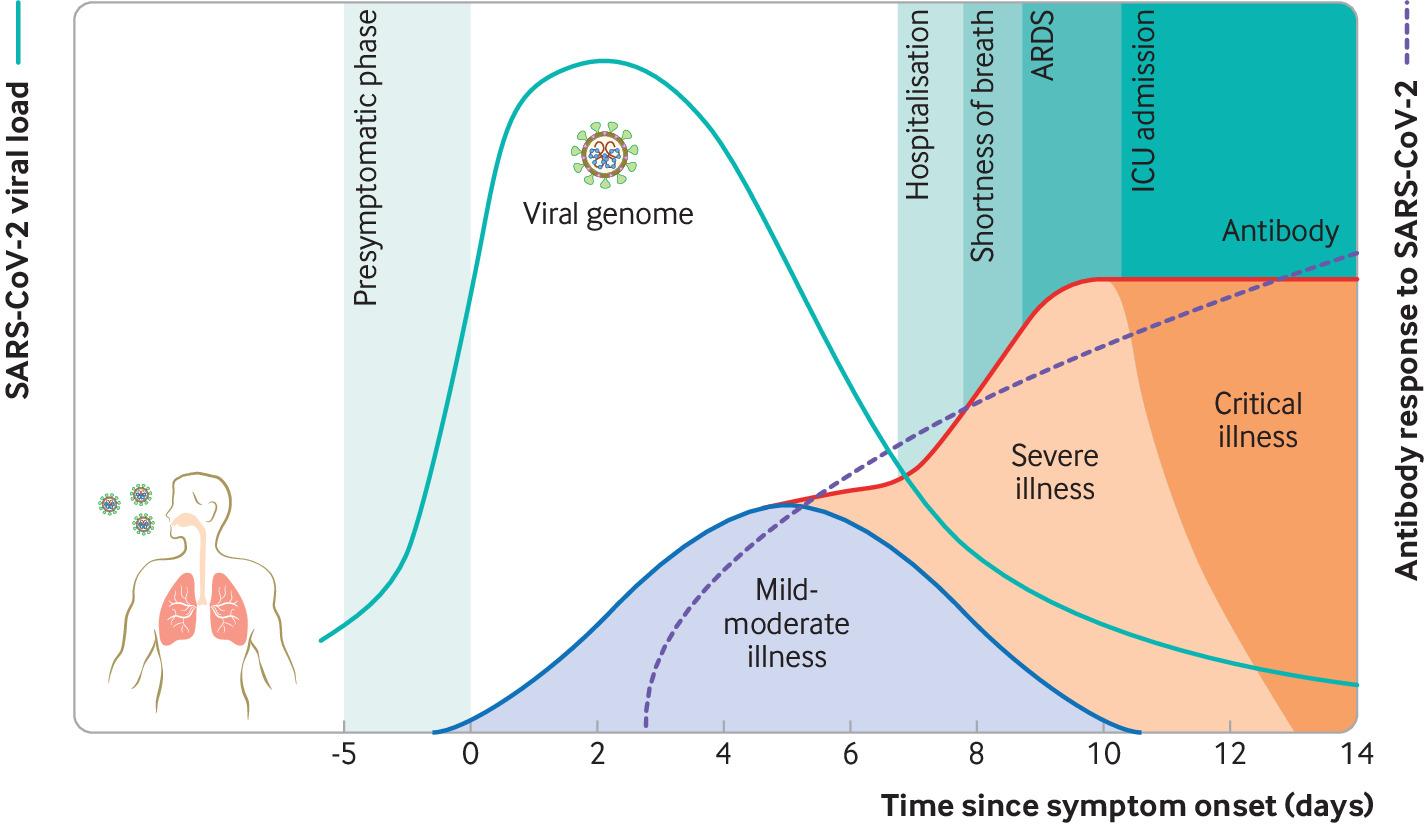
Every Picture Tells a Story The Disease Course of COVID19 American
.jpg)
Three Stages Of Diseases
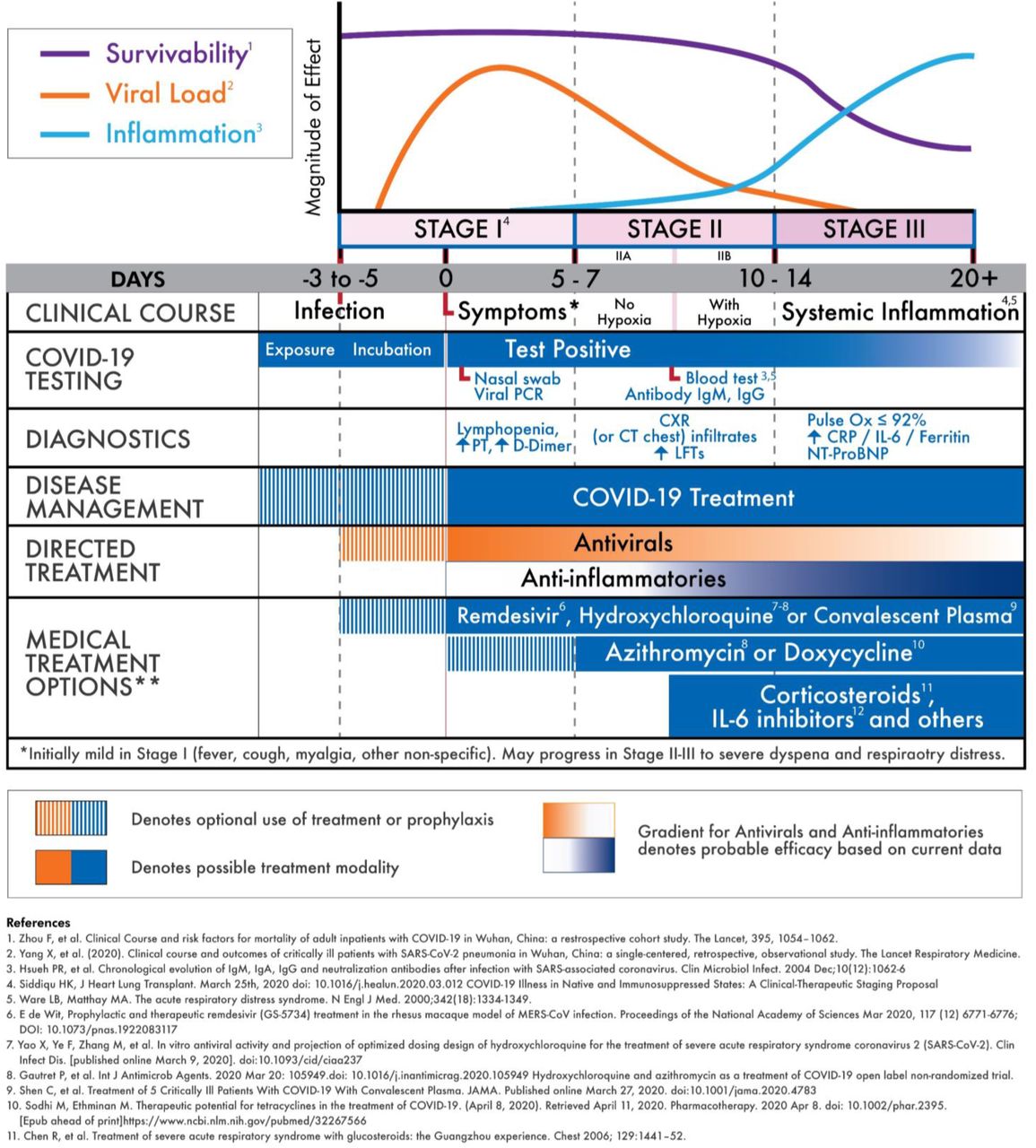
Current Understanding of COVID19 Clinical Course and Investigational
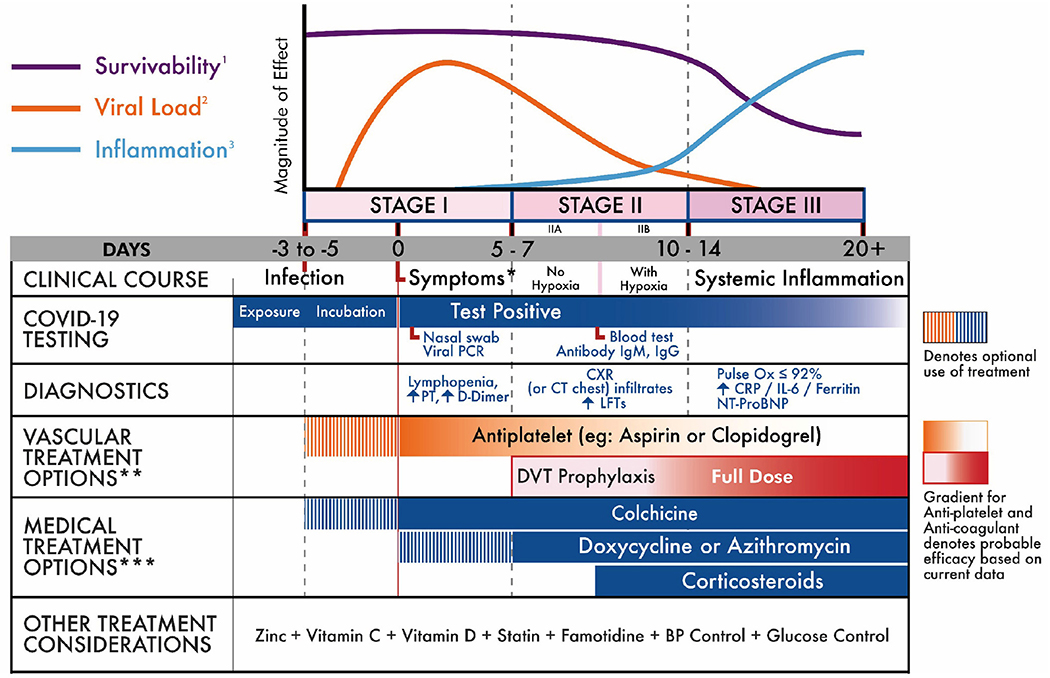
Frontiers Current Understanding of COVID19 Clinical Course and
This Course Introduces The Basics Of Infectious Disease Epidemiology And Modeling, Disease Surveillance Methods, Dynamics Of Transmission, And Assessment Of.
The 'Course Of Disease' Refers To The Progression And Development Of A Medical Condition Over Time, Including Factors Influencing Its Trajectory, Such As Etiological And Risk Factors, Social.
Browse The Latest Disease & Disorders Courses From Harvard University.
Disease Course Is The Progression Of A Disease Over Time And Is A Key Factor In Determining An Individual’s Prognosis.
Related Post: