
How Do You Say Of Course In Korean
How Do You Say Of Course In Korean - How you greet someone in. How to say “of course” in korean. And how you can say it just like a native. How do you say this in korean? [ spoken , emphasis ] 당연히 물론 i guess you're. Here are the different ways to say it. The common way to say “of course” in korean is 그럼요 (geureomyo). There are a few different words you can use to say “of course” in the korean language. When speaking formally or in polite situations, the korean phrase “of course” can be translated as “물론입니다” (mullonimnida). How to say of course! in korean?🇰🇷당연하지! Youtube, instagram 👉 young.koreanlanguage music : When speaking formally or in polite situations, the korean phrase “of course” can be translated as “물론입니다” (mullonimnida). A casual way to say “of course” in korean is by using the expression “물론이야.” it is commonly used in conversations among friends or peers. How to say of course! in korean?🇰🇷당연하지! This phrase carries a sense of. Here are the different ways to say it. In korean, there are several ways to express “of course,” each with its own nuances and levels of formality. How do you say this in korean? In just five weeks, you’ll be able to read, write, and speak basic korean. Saying “of course” is a simple yet crucial phrase that conveys agreement, willingness, and politeness in countless social and professional situations. How to say of course in korean. Saying “of course” is a simple yet crucial phrase that conveys agreement, willingness, and politeness in countless social and professional situations. How do you say this in korean? With hinative, you can have your writing corrected by both native speakers and ai 📝. The common way to say “of course” in korean is. How to say of course! in korean?🇰🇷당연하지! You will hear all of them frequently in real life and there is little difference in meaning between these words,. There are a few different words you can use to say “of course” in the korean language. How to say “of course” in korean. A casual way to say “of course” in korean. For examples, you can use like [물론이지, 품질은 물론이고 값도저렴하다]. You can say 당연하지! english (us) french (france) german italian japanese korean polish portuguese (brazil) portuguese (portugal) russian simplified chinese (china) spanish. In korean, there are several ways to express “of course,” each with its own nuances and levels of formality. How do you say this in korean? Are there. Of course it means 당연하지! or 물론이야! was this answer helpful? (0) @fromb what is the difference ? Here, “물론” (mullon) means “of course” and. This phrase carries a sense of. 4 different ways to say 'of course' in koreannumber 1: (0) @fromb what is the difference ? When speaking formally or in polite situations, the korean phrase “of course” can be translated as “물론입니다” (mullonimnida). You use of course in order to emphasize a statement that you are making, especially when you are agreeing or disagreeing with someone. A casual way to say “of course” in korean is by using. How to say “hey!” in korean. There are a few different words you can use to say “of course” in the korean language. When speaking formally or in polite situations, the korean phrase “of course” can be translated as “물론입니다” (mullonimnida). A casual way to say “of course” in korean is by using the expression “물론이야.” it is commonly used. And how you can say it just like a native. How to say “of course” in korean. There are a few different words you can use to say “of course” in the korean language. In korean, there are several ways to express “of course,” each with its own nuances and levels of formality. How to say of course! in korean?🇰🇷당연하지! How you greet someone in. Of course in korean is 물론. Here are the different ways to say it. I've heard people use 당연하지, but i feel like i would have to use a different word in a formal situation. How do you say this in korean? 4 different ways to say 'of course' in koreannumber 1: Are there any other ways i can say it? :) was this answer helpful? How you greet someone in. How to say “hey!” in korean. This phrase carries a sense of. In this post you will learn how to pronounce and use 물론 along with. There are a few different words you can use to say “of course” in the korean language. Saying “of course” is a simple yet crucial phrase that conveys agreement, willingness, and politeness in countless social and professional situations. How to. You use of course in order to emphasize a statement that you are making, especially when you are agreeing or disagreeing with someone. @sahena it's the same thing! For examples, you can use like [물론이지, 품질은 물론이고 값도저렴하다]. How to say of course in korean. 4 different ways to say 'of course' in koreannumber 1: Saying “of course” is a simple yet crucial phrase that conveys agreement, willingness, and politeness in countless social and professional situations. How do i say of course in korean? Here, “물론” (mullon) means “of course” and. Of course it means 당연하지! or 물론이야! was this answer helpful? How you greet someone in. How to say “of course” in korean. How do you say this in korean? The common way to say “of course” in korean is 그럼요 (geureomyo). There are a few different words you can use to say “of course” in the korean language. In this post you will learn how to pronounce and use 물론 along with. You will hear all of them frequently in real life and there is little difference in meaning between these words,.
Learn Korean How to Say 'Of Course' in Korean
How do you say "Of course" in Korean (formal/informal)? Is "그럼" the

How to Pronounce 'Of Course!' in Korean
wannaspeak_korean How to say “Of course!”, “Sure!“ or “Certainly” in
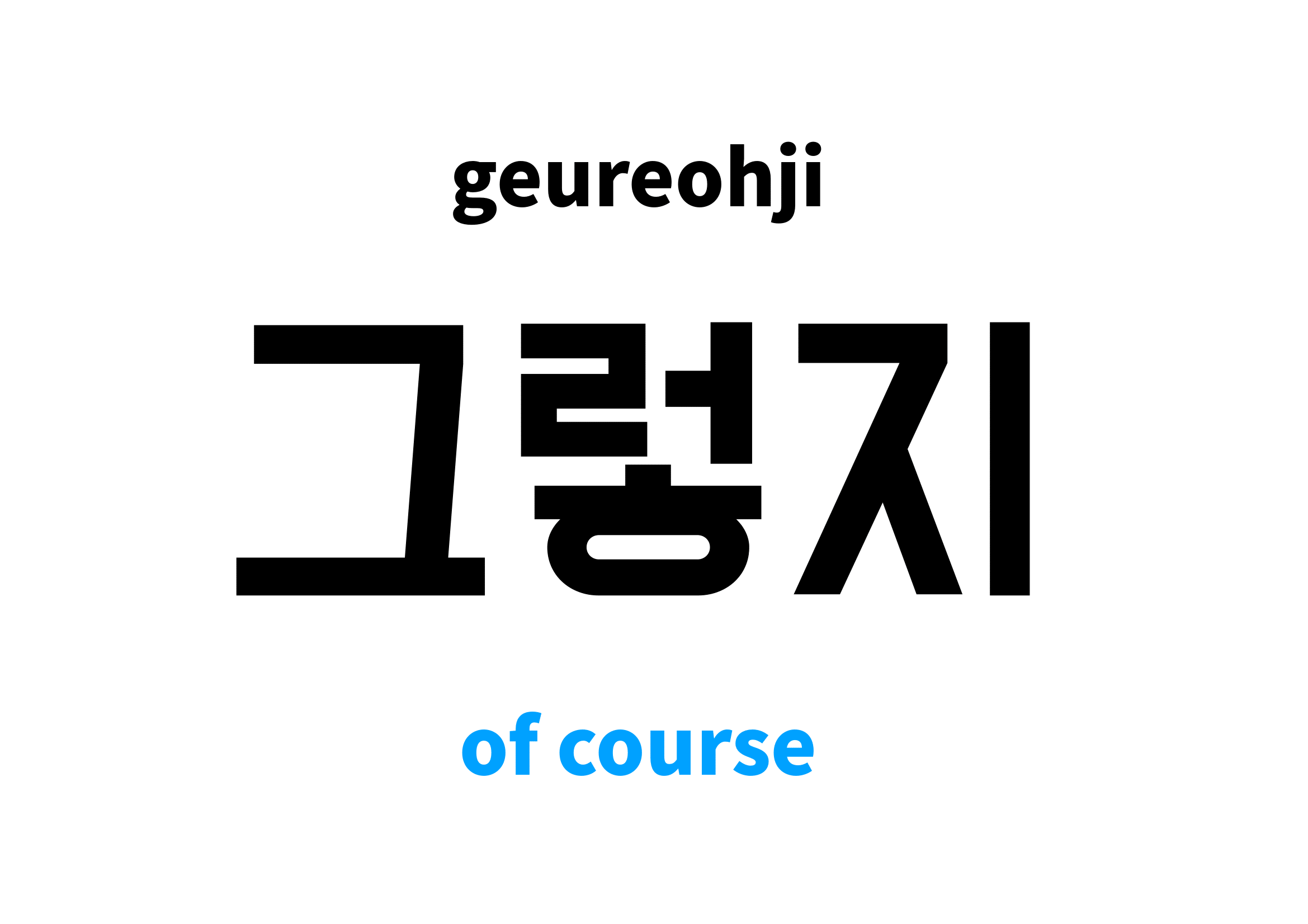
of course in Korean 그렇지's meaning and pronunciation
How To Say 'Of Course' In Korean (고 말고요)

How to say "of course" in Korean. 그럼요 YouTube
How do you say "" of course" as in "did you eat well? > of course
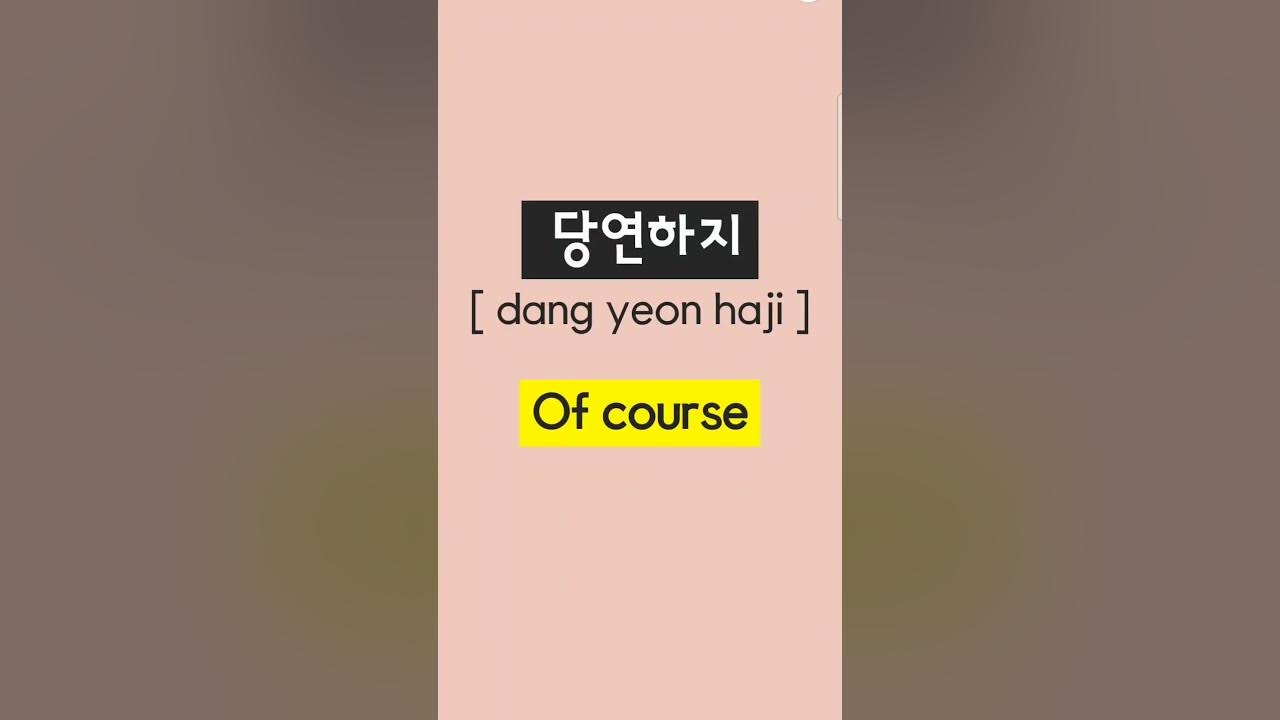
How to say "Of course" in Korea learnkorean YouTube
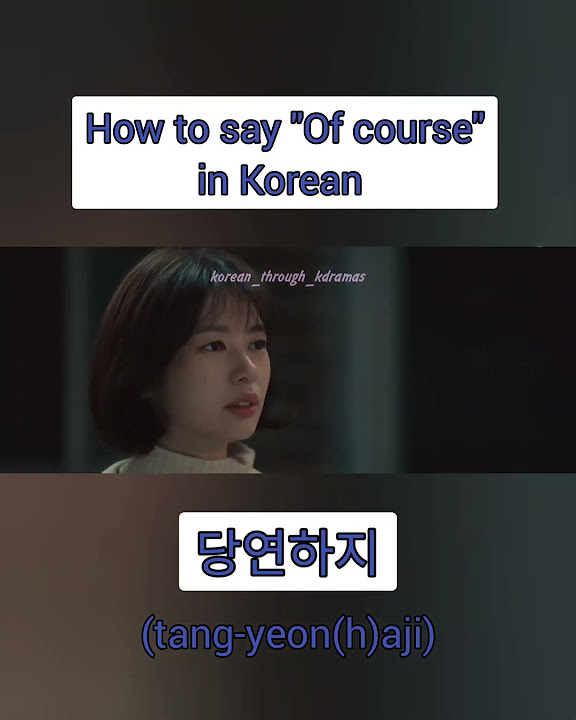
How to say "Of course" in Korean. 당연하다 YouTube
(0) @Fromb What Is The Difference ?
:) Was This Answer Helpful?
Are There Any Other Ways I Can Say It?
In Korean, There Are Several Ways To Express “Of Course,” Each With Its Own Nuances And Levels Of Formality.
Related Post:
