
Switching Antibiotics Mid Course
Switching Antibiotics Mid Course - When switching antibiotics, it is crucial to consider the specific infection and identify the most appropriate antibiotic to combat it. A practical intervention resulting in reduce d. For uncomplicated pyelonephritis, a short course of antibiotics is associated with a higher cure rate and no difference in microbiological failure rate than with a longer duration of treatment. However, there may be situations where switching antibiotics in the middle of a course becomes necessary. Each antibiotic has a spectrum of activity,. Note it is important to always finish your antibiotic even if you feel better, as the infection may come back. In this blog post, we will explore the potential risks and considerations of switching. There can be risks associated with switching antibiotics midcourse, such as potential for antibiotic resistance and incomplete treatment of the infection. Consulting with a healthcare professional. Do i need to switch antibiotics? There can be risks associated with switching antibiotics midcourse, such as potential for antibiotic resistance and incomplete treatment of the infection. Would it cause them to become less effective? This timeframe allows for any lingering effects of the initial medication to dissipate. Doctors often recommend waiting at least 48 hours after stopping an antibiotic before starting a new one. In a new study, researchers have shown that antibiotic cycling — which involves doctors switching between antibiotics to overcome antibiotic resistance — may be an. I am 41 years old. There can be risks associated with switching antibiotics midcourse, such as potential for antibiotic resistance and incomplete treatment of the infection. I am now wondering if i could switch to amoxicillin for the next 6 days to finish my 10 day course of antibiotics since i feel like it was way more effective. Note it is important to always finish your antibiotic even if you feel better, as the infection may come back. When switching antibiotics, it is crucial to consider the specific infection and identify the most appropriate antibiotic to combat it. I am now wondering if i could switch to amoxicillin for the next 6 days to finish my 10 day course of antibiotics since i feel like it was way more effective. I have been on antibiotics for a chest infection for 5 days with only 2 days left and still coughing. In this blog post, we will explore the. Consulting with a healthcare professional. That being said, i would discontinue the amoxicillin and stick to just the. I’m just wondering, if it takes a while, what would happen if i started the azithromycin, but stopped it mid course to start cefedinir? In this blog post, we will explore the potential risks and considerations of switching. A practical intervention resulting. You only have a few more days left, anyways. You'll want to finish taking your current antibiotics. I am now wondering if i could switch to amoxicillin for the next 6 days to finish my 10 day course of antibiotics since i feel like it was way more effective. In this blog post, we will explore the potential risks and. There can be risks associated with switching antibiotics midcourse, such as potential for antibiotic resistance and incomplete treatment of the infection. In a new study, researchers have shown that antibiotic cycling — which involves doctors switching between antibiotics to overcome antibiotic resistance — may be an. Pretty easy, the intro classes are the same (120, 110, 220, 210) and since. When switching antibiotics, it is crucial to consider the specific infection and identify the most appropriate antibiotic to combat it. Would it cause them to become less effective? That being said, i would discontinue the amoxicillin and stick to just the. Doctors often recommend waiting at least 48 hours after stopping an antibiotic before starting a new one. I’m just. The idea behind switch therapy is that antibiotic treatment should be changed from the parenteral to another suitable route (usually oral) as soon as the patient's condition allows. A practical intervention resulting in reduce d. Consulting with a healthcare professional. There can be risks associated with switching antibiotics midcourse, such as potential for antibiotic resistance and incomplete treatment of the. When switching antibiotics, it is crucial to consider the specific infection and identify the most appropriate antibiotic to combat it. I am 41 years old. There can be risks associated with switching antibiotics midcourse, such as potential for antibiotic resistance and incomplete treatment of the infection. Consulting with a healthcare professional. I am now wondering if i could switch to. This site contains resources to build and sustain antimicrobial. When switching antibiotics, it is crucial to consider the specific infection and identify the most appropriate antibiotic to combat it. I’m just wondering, if it takes a while, what would happen if i started the azithromycin, but stopped it mid course to start cefedinir? Pretty easy, the intro classes are the. Do i need to switch antibiotics? In this blog post, we will explore the potential risks and considerations of switching. There can be risks associated with switching antibiotics midcourse, such as potential for antibiotic resistance and incomplete treatment of the infection. I am 41 years old. When switching antibiotics, it is crucial to consider the specific infection and identify the. Pretty easy, the intro classes are the same (120, 110, 220, 210) and since they're in the same department they allow switching during/after sophomore year. I have been on antibiotics for a chest infection for 5 days with only 2 days left and still coughing. This timeframe allows for any lingering effects of the initial medication to dissipate. Do i. There can be risks associated with switching antibiotics midcourse, such as potential for antibiotic resistance and incomplete treatment of the infection. Each antibiotic has a spectrum of activity,. You'll want to finish taking your current antibiotics. Doctors often recommend waiting at least 48 hours after stopping an antibiotic before starting a new one. This timeframe allows for any lingering effects of the initial medication to dissipate. I have been on antibiotics for a chest infection for 5 days with only 2 days left and still coughing. Pretty easy, the intro classes are the same (120, 110, 220, 210) and since they're in the same department they allow switching during/after sophomore year. I am now wondering if i could switch to amoxicillin for the next 6 days to finish my 10 day course of antibiotics since i feel like it was way more effective. In this blog post, we will explore the potential risks and considerations of switching. There can be risks associated with switching antibiotics midcourse, such as potential for antibiotic resistance and incomplete treatment of the infection. However, there may be situations where switching antibiotics in the middle of a course becomes necessary. Note it is important to always finish your antibiotic even if you feel better, as the infection may come back. Do i need to switch antibiotics? In a new study, researchers have shown that antibiotic cycling — which involves doctors switching between antibiotics to overcome antibiotic resistance — may be an. When switching antibiotics, it is crucial to consider the specific infection and identify the most appropriate antibiotic to combat it. Consulting with a healthcare professional.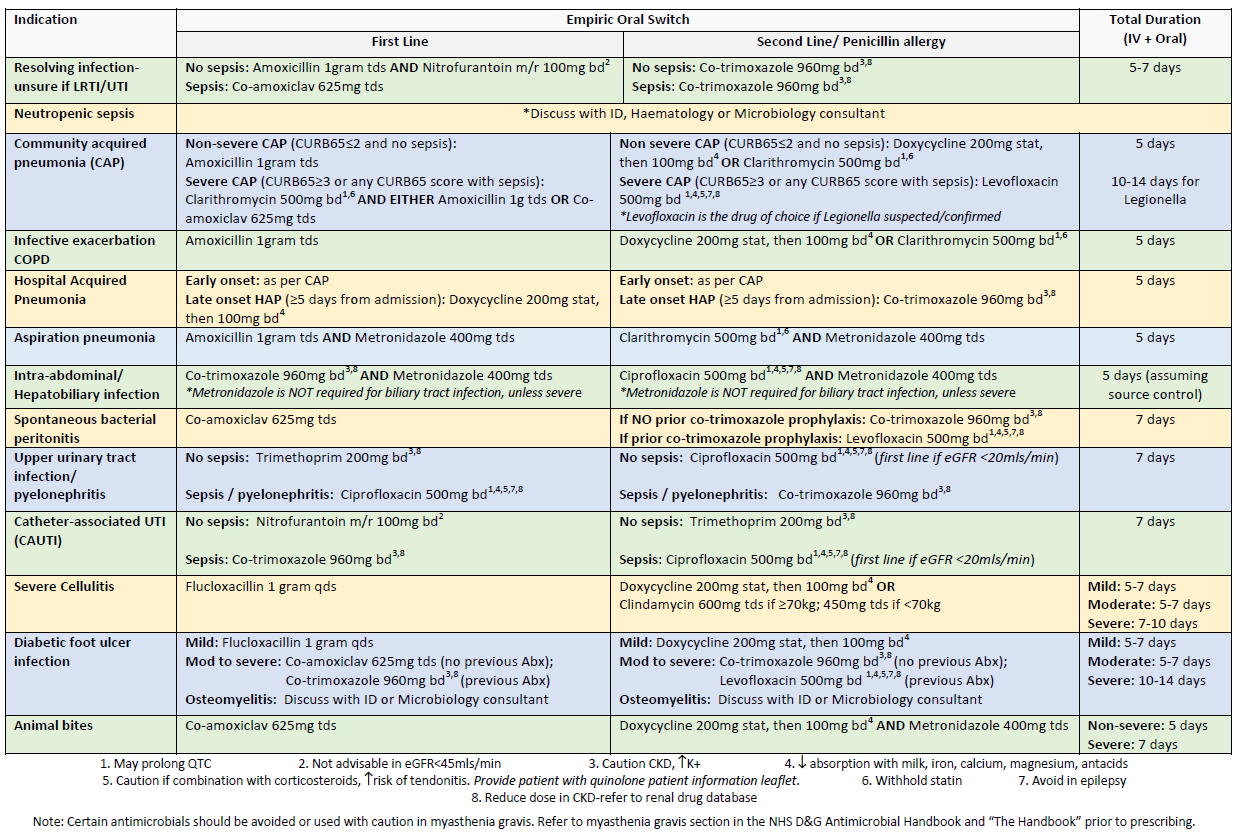
IV to Oral Antibiotic Switch Therapy (IVOST) Guideline (Adults) Right
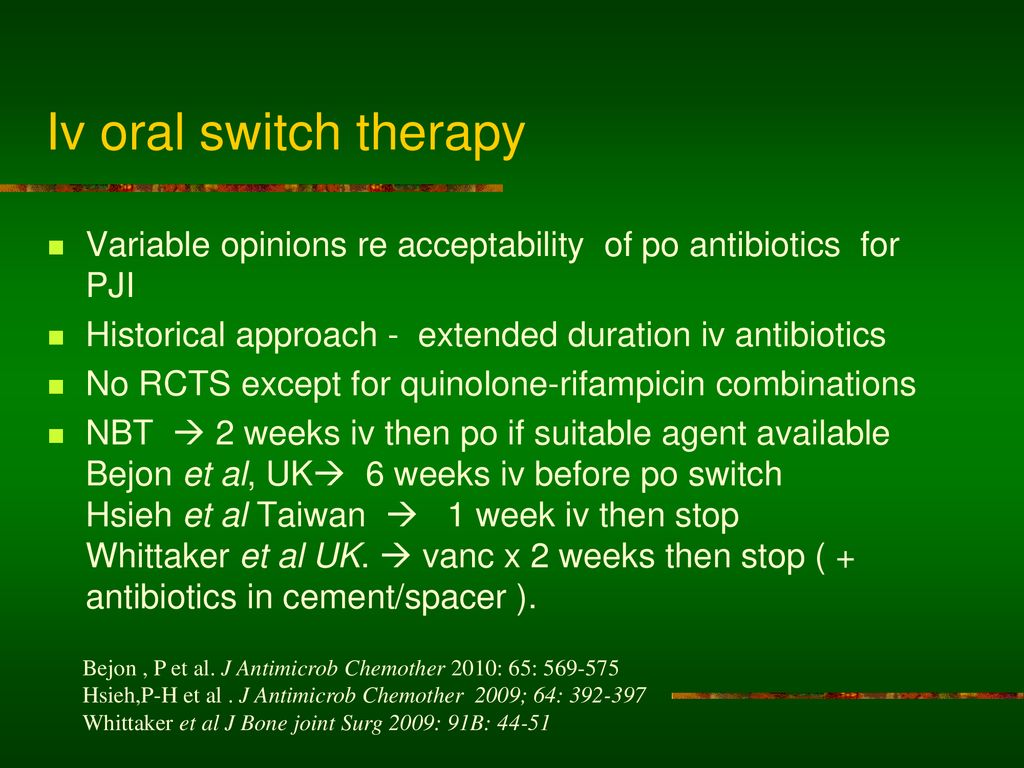
Microbiology in Orthopaedics ppt download

Effects of Switching Antibiotics MidTreatment on Antimicrobial Resistance
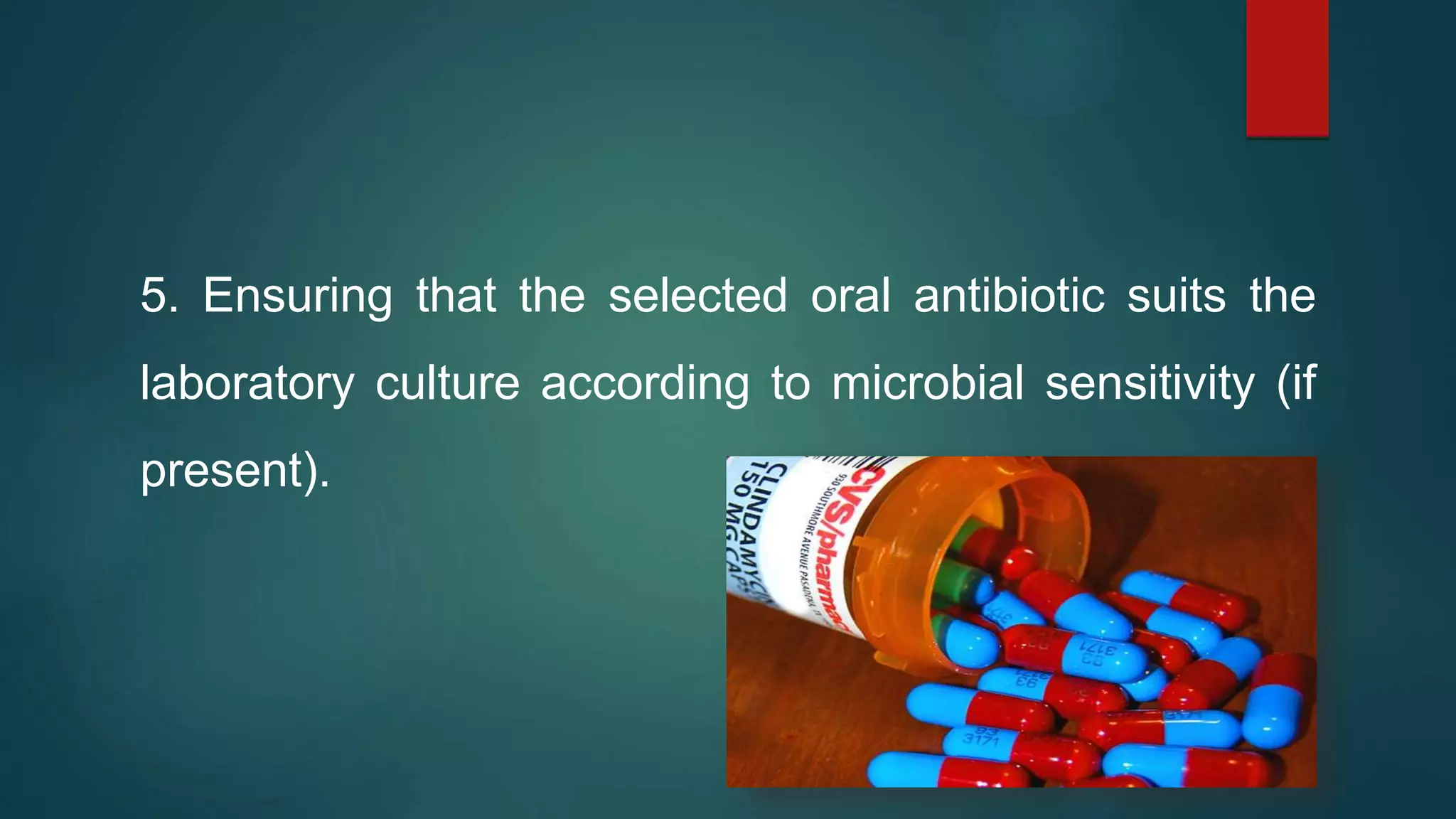
Role of pharmacist in IV to PO antibiotic switch therapy PPT

Effects of Switching Antibiotics MidTreatment on Antimicrobial Resistance

Effects of Switching Antibiotics MidTreatment on Antimicrobial Resistance
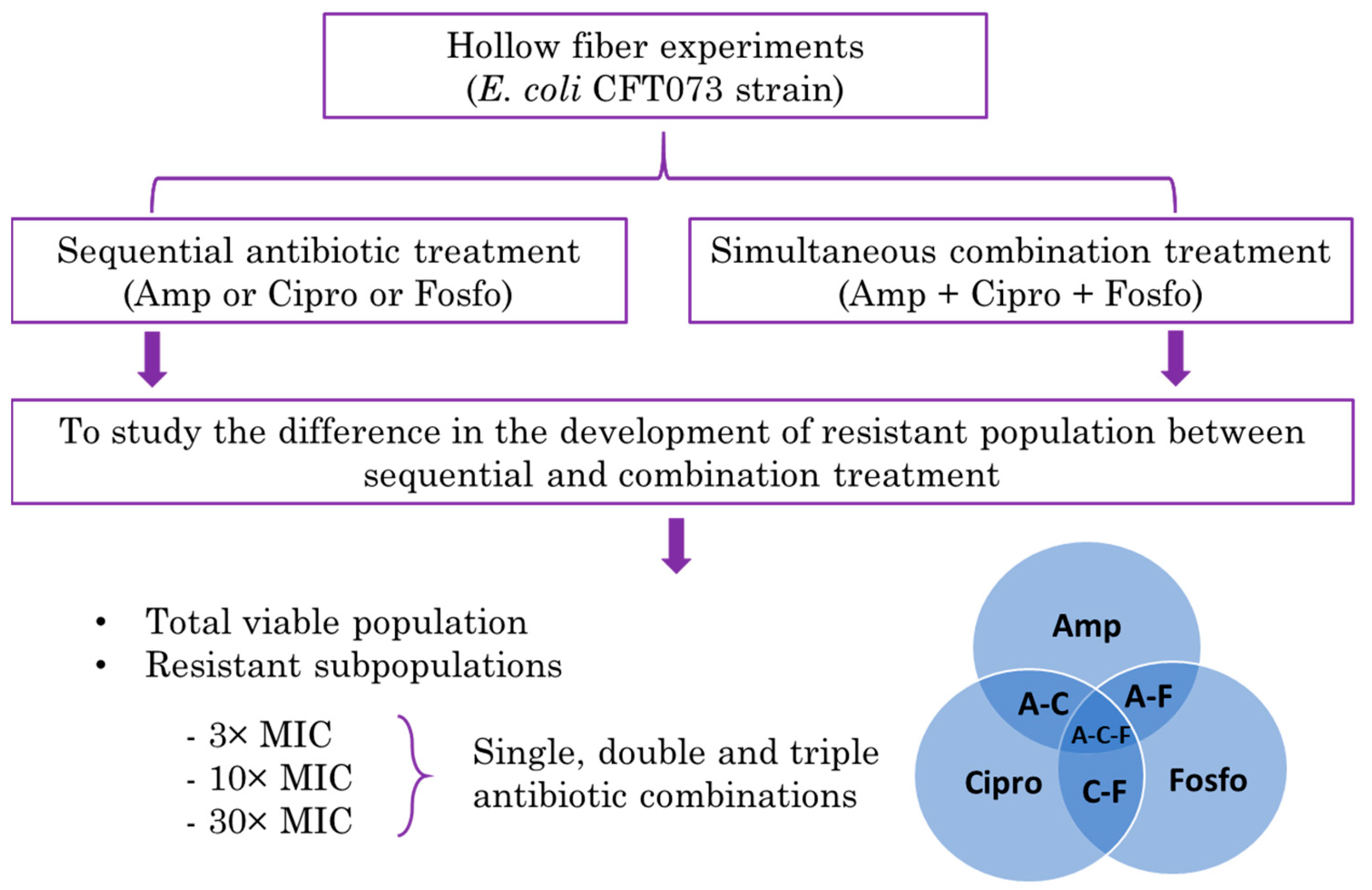
Antibiotics Free FullText Evaluation of a Sequential Antibiotic

Efficacy and safety of switching from intravenous to oral antibiotics

Change in Antibiotic during infection with the reasons for switching of

Time course of antibiotics. Download Scientific Diagram
I Am 41 Years Old.
The Idea Behind Switch Therapy Is That Antibiotic Treatment Should Be Changed From The Parenteral To Another Suitable Route (Usually Oral) As Soon As The Patient's Condition Allows.
This Site Contains Resources To Build And Sustain Antimicrobial.
Would It Cause Them To Become Less Effective?
Related Post: