
Which Of The Following Is True About Dual Enrollment Courses
Which Of The Following Is True About Dual Enrollment Courses - Kim wants to create a balance in her schedule for her college classes. It can be taught at the student’s high school, at a community. Below is a list of the most common courses offered through dual enrollment; They are offered during lunch and after school. All of the following are reasons to take dual enrollment courses except: Students earn both high school and college credit. Tab 2 allows you to track trends in dual enrollment participation over time—both overall and by student subgroup—for your state compared to national averages. While some dual enrollment courses may be scheduled during these times, many are offered during regular school hours or at local colleges, making this statement too limiting. They grant college credit only for a grade of b or better. They count more than traditional college courses. While some dual enrollment courses may be scheduled during these times, many are offered during regular school hours or at local colleges, making this statement too limiting. Both dual enrollment and ap courses do not guarantee actual college credits for students once the course is completed and passed. The correct statement about dual enrollment courses is that they allow students to earn both high school and college credit for the same course. Kim wants to create a balance in her schedule for her college classes. An ap course differs from a dual enrollment course in which of the following ways? Students earn both high school and college credit. They earn the student both high school and college credit. They are far easier than traditional college courses. She wants to take no more or less than 3 classes a semester. You get a head start on. The correct answer is c: They count more than traditional college courses. Tab 2 allows you to track trends in dual enrollment participation over time—both overall and by student subgroup—for your state compared to national averages. You get a head start on. Both dual enrollment and ap courses do not guarantee actual college credits for students once the course is. What enrollment status will kim be if she is granted 3. She wants to take no more or less than 3 classes a semester. You get a head start on. A test must be passed with a high score to receive college credit for the ap course. Below is a list of the most common courses offered through dual enrollment; Dual enrollment guarantees college credit,. Below is a list of the most common courses offered through dual enrollment; An ap course differs from a dual enrollment course in which of the following ways? Which of the following statements is true about dual enrollment courses? Students typically need to meet eligibility. Kim wants to create a balance in her schedule for her college classes. Dual enrollment courses are courses that. The correct statement about dual enrollment courses is that they allow students to earn both high school and college credit for the same course. The correct answer is c: An ap course differs from a dual enrollment course in which of. The correct answer is d. Which of the following statements is true about dual enrollment courses? A dual enrollment course is a single course that provides a student with both high school and college credit. The correct statement about dual enrollment courses is that they allow students to earn both high school and college credit for the same course. They. All of the following are true of dual enrollment courses except that: The correct answer is c: Below is a list of the most common courses offered through dual enrollment; Which of the following statements is true about dual enrollment courses? Students typically need to meet eligibility. Students typically need to meet eligibility. Which of the following is true about dual enrollment courses? All of the following are reasons to take dual enrollment courses except: She wants to take no more or less than 3 classes a semester. Dual enrollment courses are awarded credits based on. She wants to take no more or less than 3 classes a semester. An ap course differs from a dual enrollment course in which of the following ways? A dual enrollment course is a single course that provides a student with both high school and college credit. Kim wants to create a balance in her schedule for her college classes.. All of the following are reasons to take dual enrollment courses except: You could save on college tuition. They count more than traditional college courses. Below is a list of the most common courses offered through dual enrollment; They are far easier than traditional college courses. The statement 'the courses can be taken only at a college' is not true about dual enrollment courses. Dual enrollment courses provide benefits like earning credits and cost savings but are not. Tab 2 allows you to track trends in dual enrollment participation over time—both overall and by student subgroup—for your state compared to national averages. You could save on. All of the following are reasons to take dual enrollment courses except: Dual enrollment courses are awarded credits based on. They are offered during lunch and after school. Kim wants to create a balance in her schedule for her college classes. All of the following are true of dual enrollment courses except that: Students earn both high school and college credit. It can be taught at the student’s high school, at a community. They earn the student both high school and college credit. Which of the following statements is true about dual enrollment courses? The correct statement about dual enrollment courses is that they allow students to earn both high school and college credit for the same course. You could save on college tuition. Dual enrollment courses provide benefits like earning credits and cost savings but are not. They count more than traditional college courses. Students typically need to meet eligibility. The statement 'the courses can be taken only at a college' is not true about dual enrollment courses. They are far easier than traditional college courses.
Which of the Following Is True About Dual Enrollment Courses

Which of the Following Is True About Dual Enrollment Courses
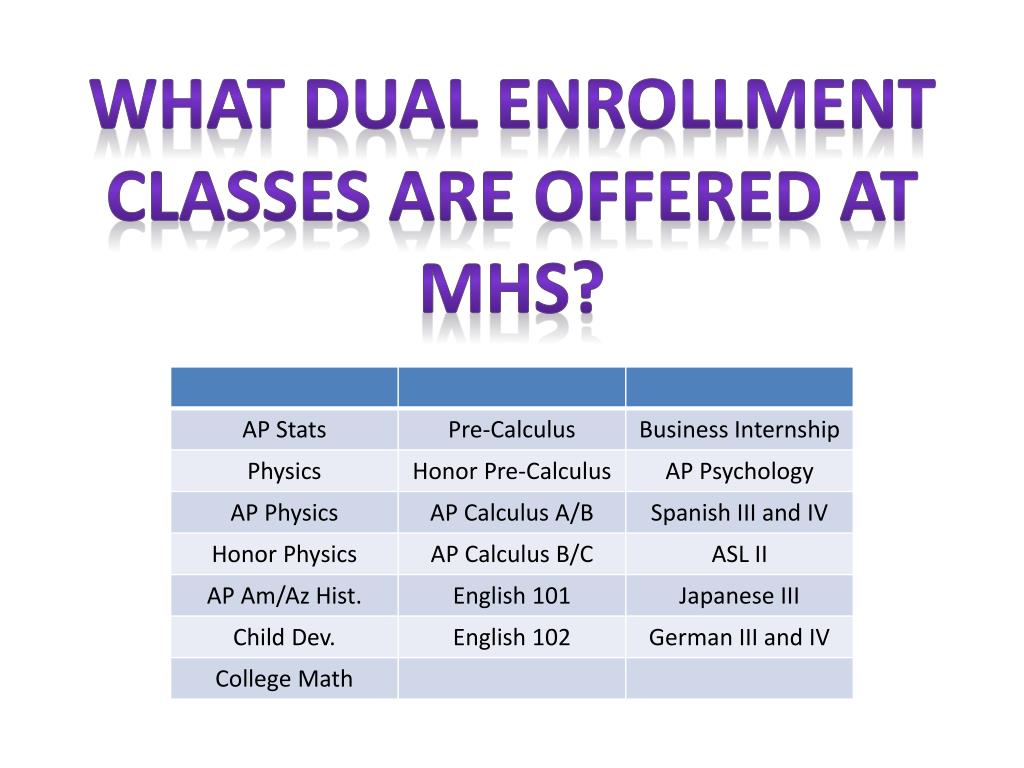
PPT Dual Enrollment PowerPoint Presentation, free download ID4858957
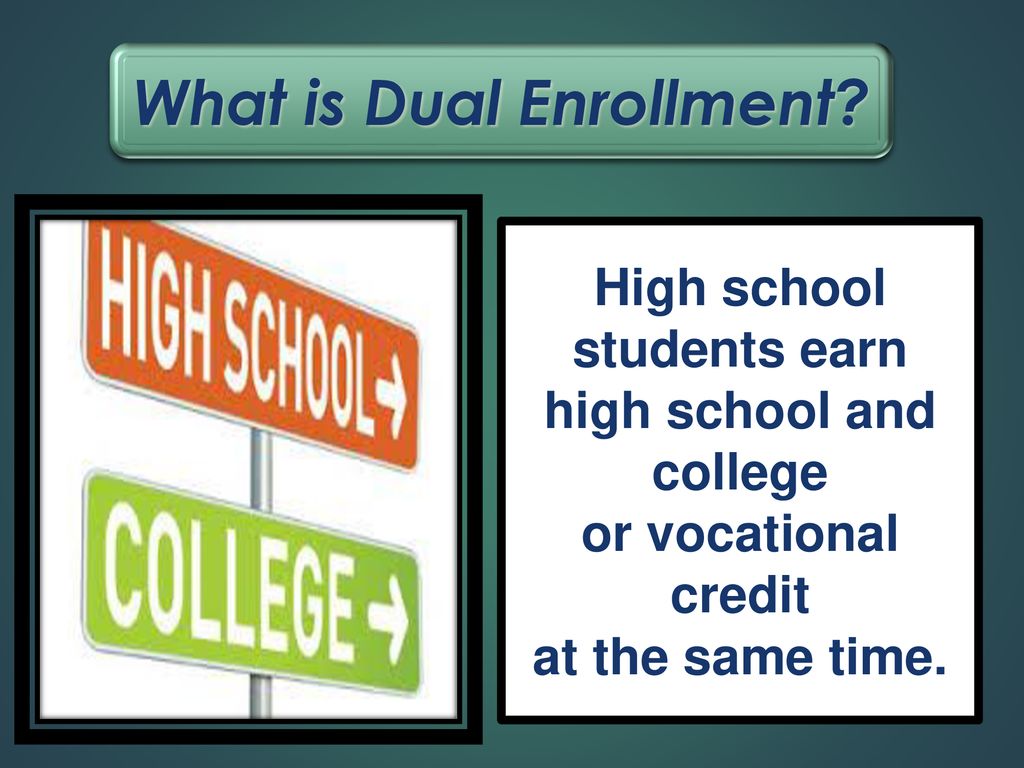
Collegiate High School ppt download
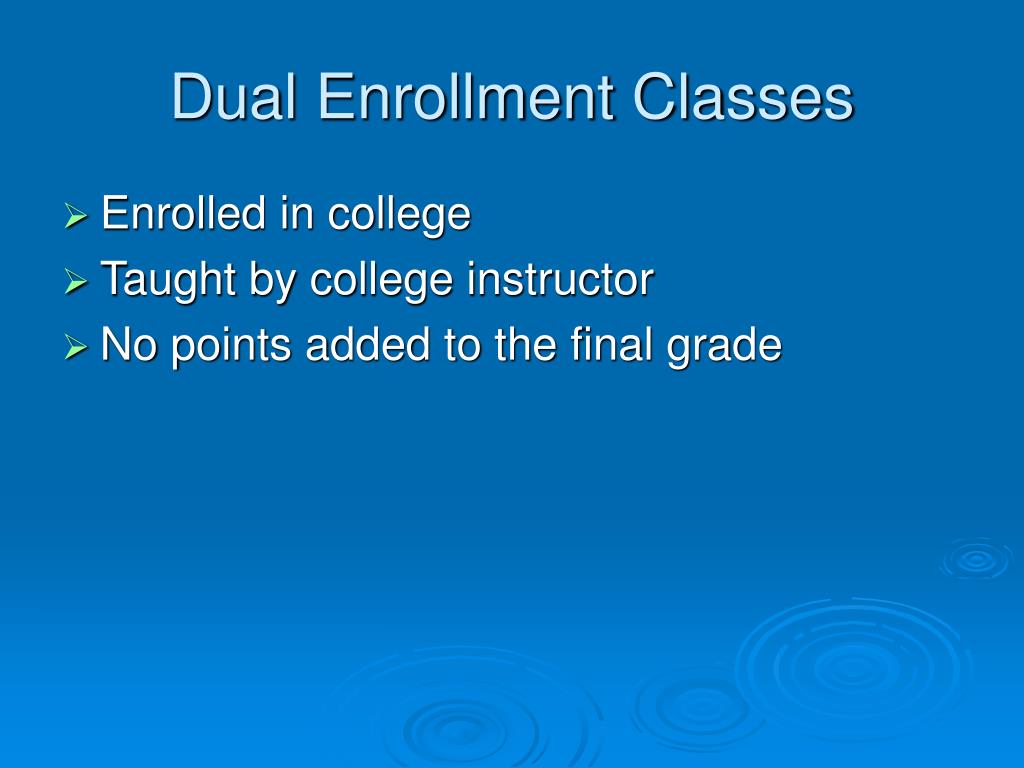
PPT DUAL ENROLLMENT PowerPoint Presentation, free download ID4358284
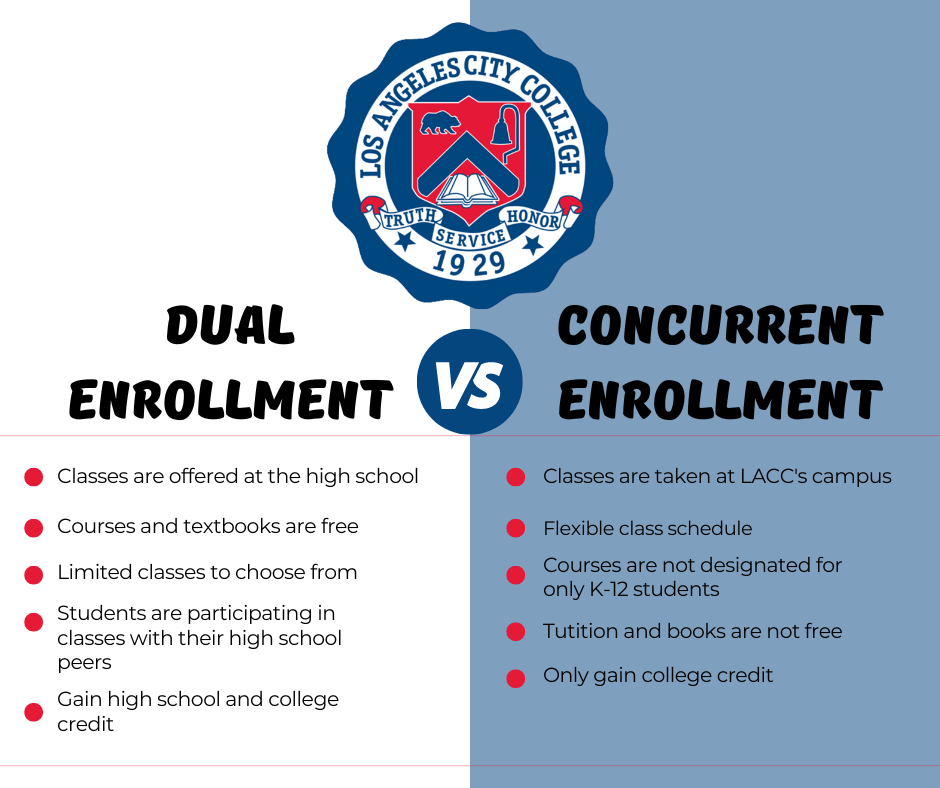
Dual Enrollment LACC
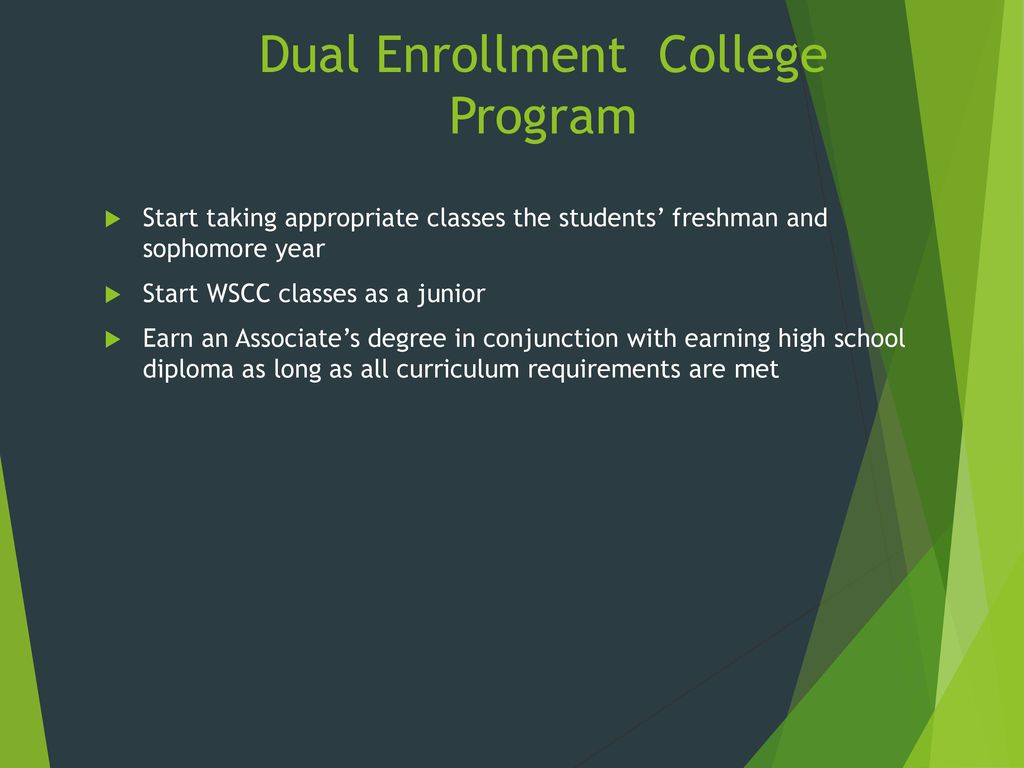
DUAL ENROLLMENT Northview Academy High School ppt download

TO LEARN LEAD SUCCEED. ppt download

Get a Head Start on College Dual Enrollment Programs for High School
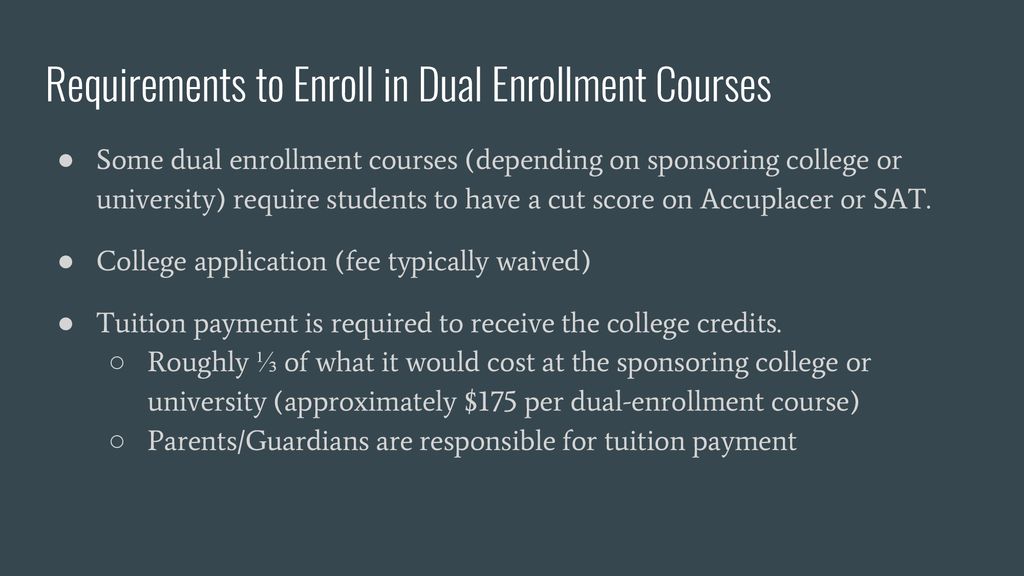
MIDDLETOWN TOWNSHIP PUBLIC SCHOOLS ppt download
Dual Enrollment Courses Allow High School Students To Earn College Credit While Still In High School, Benefiting Their Future Education.
Below Is A List Of The Most Common Courses Offered Through Dual Enrollment;
While Some Dual Enrollment Courses May Be Scheduled During These Times, Many Are Offered During Regular School Hours Or At Local Colleges, Making This Statement Too Limiting.
She Wants To Take No More Or Less Than 3 Classes A Semester.
Related Post: